RENEWABLES CRISIS : Pele’s governance test: Why a private boardroom matters to SA’s energy transition
A governance crisis at Pele Energy Group has brought an important question into focus: How should a rapidly growing, founder-led South African renewable energy business balance entrepreneurial agility with the independent oversight required by institutional finance?
A governance crisis at Pele Energy Group has raised concerns about the delicate balance between entrepreneurial agility and the independent oversight required by institutional finance in South Africa's renewable energy sector. Pele Green Energy, a rapidly growing founder-led business, acknowledged the initiation of an independent investigation by an external legal firm after identifying a governance-related matter.
However, the company has not disclosed the details or findings of the inquiry, nor have they addressed specific questions about executive responsibilities, changes in board leadership, or the financial circumstances underlying the investigation.
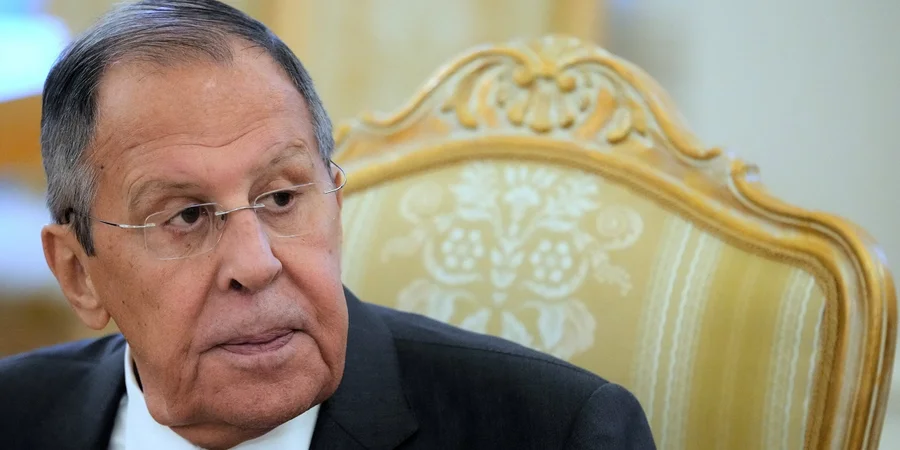
The board's actions included stepping aside Gqi Raoleka, the group CEO, and Matt Wainwright, the CFO, from executive duties in August 2026, with interim appointments made. Independent chairperson Brenda Martin resigned in the week of 26 October 2026. Pele has not announced her successor. CEO Gqi Raoleka resigned from his position last week, while remaining a director and shareholder. Co-founders Fumani Mthembi and Obakeng Moloabi have been appointed acting CEO and deputy CEO, respectively, along with an interim CFO.
The concern over Pele's governance is not limited to the company itself, as it is not listed on the JSE and therefore does not face the same continuous market-disclosure obligations as a listed company. However, the projects financed by banks, development finance institutions, and long-term electricity purchasers warrant public interest and expectations.
Pele Green Energy has been a significant participant in the REIPPPP, securing a B-BBEE partner in Infinity Power Holding SA for six out of eight solar PV projects awarded under the program.
The renewable energy sector faces mounting pressure, with electricity supply, demand, and network constraints leading to curtailment of wind and solar output. This is a legitimate system-operation measure, but it creates revenue uncertainty for IPPs, as compensation for generated energy is not always immediate. The backlog of claims in the National Transmission Company South Africa (NTCSA) and the disproportionate cash-flow burden on BEE participants add to the challenges faced by renewable energy projects.
Pele has confirmed that institutional investors and financiers have been notified of the governance issues, leadership changes, and pending changes.
Written by urgent.news from Daily Maverick's reporting — not their text. Machine-written — may contain errors; check the original before relying on it.