RBI Ends Confusion Over Cheque Book Validity, Will Existing CTS Cheques Work After December 31, 2026?
Mumbai: The Reserve Bank of India (RBI) has clarified that existing Cheque Truncation System (CTS) cheque books will remain valid beyond December 31, 2026, dismissing viral claims that customers must obtain new cheque books from January 1, 2027. The clarification follows misleading social media messages suggesting that the central bank would introduce upgraded security requirements, making…
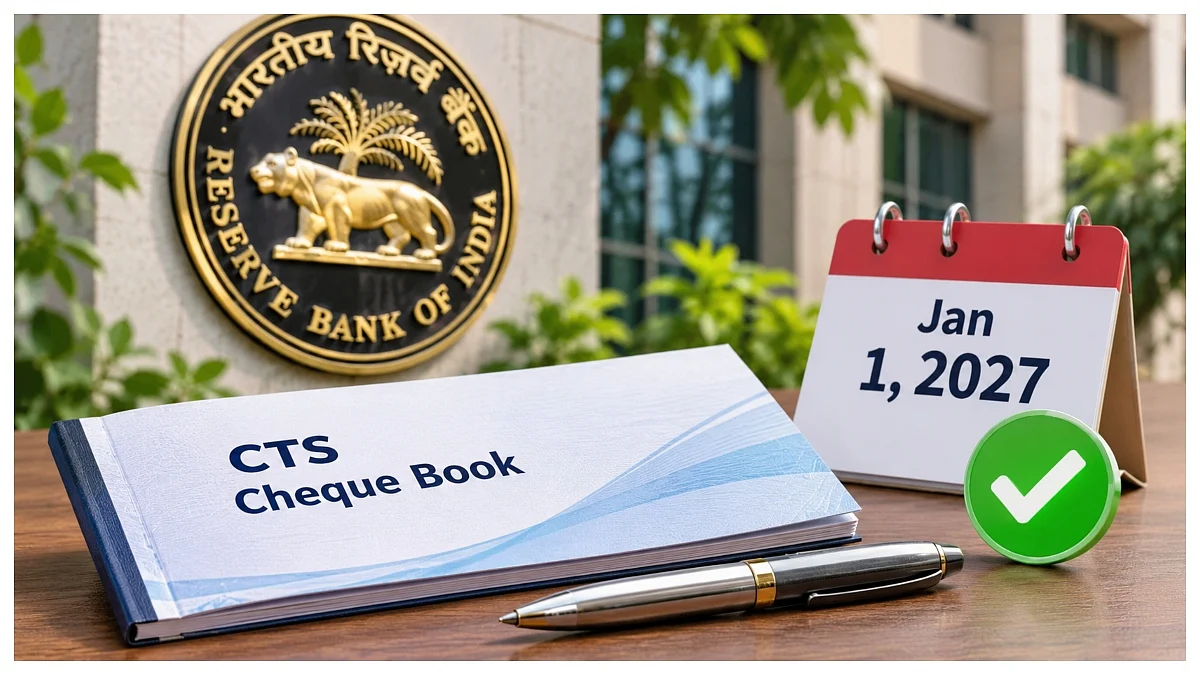
The Reserve Bank of India (RBI) has confirmed that existing Cheque Truncation System (CTS) cheque books will remain valid after December 31, 2026, dispelling rumors that customers must acquire new cheque books from January 1, 2027. The central bank issued the clarification via social media on November 7, stating there are no new measures to invalidate current cheque books.
The RBI clarified that no such changes are being introduced under the Cheque Truncation System (CTS) for the validity period of existing cheque books. As such, the circulating social media messages are factually incorrect and misleading. Customers are advised to rely on the RBI's official communications for accurate banking information.
The Cheque Truncation System allows banks to process cheques electronically by transmitting digital images, rather than physically moving paper cheques between branches. This mechanism enhances processing efficiency and quicker cheque clearance. The RBI further proposed stricter documentation requirements for agricultural lending under its draft Priority Sector Lending Directions, 2026.
Banks may need to maintain detailed records of land use, crops, and crop hypothecation while assessing agricultural loans. Loan approvals would be based on actual requirements rather than collateral value alone. These proposals remain separate from the RBI's clarification on the validity of CTS cheque books.
Written by urgent.news from Free Press Journal's reporting — not their text. Machine-written — may contain errors; check the original before relying on it.