Rare malady of cyclopia discovered in ancient Nazca burial in Peru
No discrimination in death: A baby with this one-eye syndrome was buried in an urn with another infant, in keeping with the regular practice of the Nazca people
In ancient Peru, around 1,600 years ago, a baby girl was born and died from a rare congenital defect called cyclopia. This disorder, caused by alobar holoprosencephaly, results in a single eye or partially divided eye due to an early brain development failure. Other symptoms include absence or misplacement of the nose, cleft palate, and abnormal genitals. Infants with cyclopia typically die within minutes to days, with the longest recorded survival being 240 days.
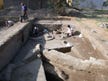
The remains of a cyclopic infant girl were discovered in an urn buried alongside another normal baby girl in a cemetery in Jauranga, Peru, between 325 and 440 C.E. Both infants had died within 40 weeks of conception, based on femur analysis. Cyclopia syndrome usually leads to miscarriage, but this girl likely survived birth for a short time, as indicated by her mouth development.
Genetic analysis revealed an extra copy of chromosome 13, causing her symptoms. The malformed infant was buried in an intact urn, consistent with Nazca mortuary norms for very young children.
The co-burial of the cyclopic girl with another normal baby suggests they may not have been related, as genetic analysis showed no maternal relation. The urn burial was a typical practice for the Nazca during this period, and the malformed infant was handled accordingly. This embracing treatment of the cyclopic infant aligns with how ancient societies often viewed and cared for individuals with impairments or disabilities.
Written by urgent.news from Haaretz's reporting — not their text. Machine-written — may contain errors; check the original before relying on it.