Questions arise over constitutionality, conflict of interest in special counsel probe design
A special counsel law passed by the National Assembly on Friday is drawing questions over conflicts of interest and whether its investigative powers are consistent with the government’s prosecution reforms. The legislation calls for an investigation into allegations that prosecutors and other state agencies fabricated evidence or brought politically motivated charges under former President Yoon…
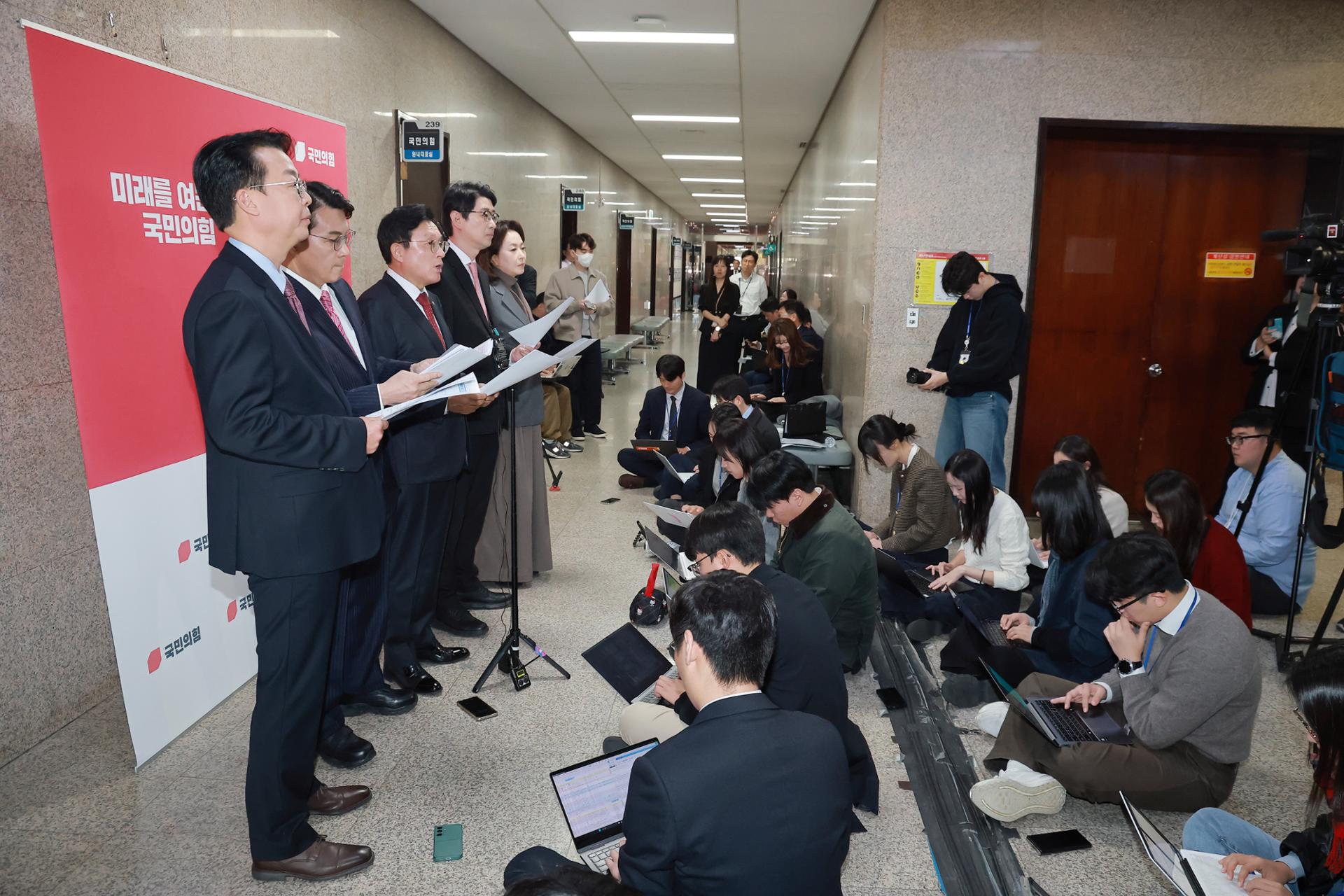
Questions are emerging regarding the constitutionality and potential conflicts of interest surrounding the newly passed special counsel law in South Korea. The legislation, which passed through the National Assembly on Friday, aims to investigate allegations that prosecutors and other state agencies fabricated evidence or brought politically motivated charges during the previous administration led by President Yoon Suk Yeol.
The law covers a wide range of areas, including cases allegedly involving election law violations, development scandals, and illicit money transfers to North Korea, with President Lee Jae Myung among the individuals under scrutiny. However, the proposed powers of the special counsel to take over ongoing prosecutions and decide whether to continue them have sparked controversy. Opposition parties accused the ruling Democratic Party of Korea (DPK) of including this provision to help clear Lee of criminal charges.
Despite Lee's request in September for lawmakers to remove this specific provision, the DPK introduced a revised version of the bill to eliminate it. Nevertheless, the appointment process for the special counsel remains contentious, with each of the three major political parties expressing concerns over the design of the legislation.
Written by urgent.news from The Korea Times's reporting — not their text. Machine-written — may contain errors; check the original before relying on it.