Pedro Almodóvar has finally seen enough of himself
In recent years, Pedro Almodóvar has turned inward to find inspiration for films like Bitter Christmas, but that era is coming to an end.
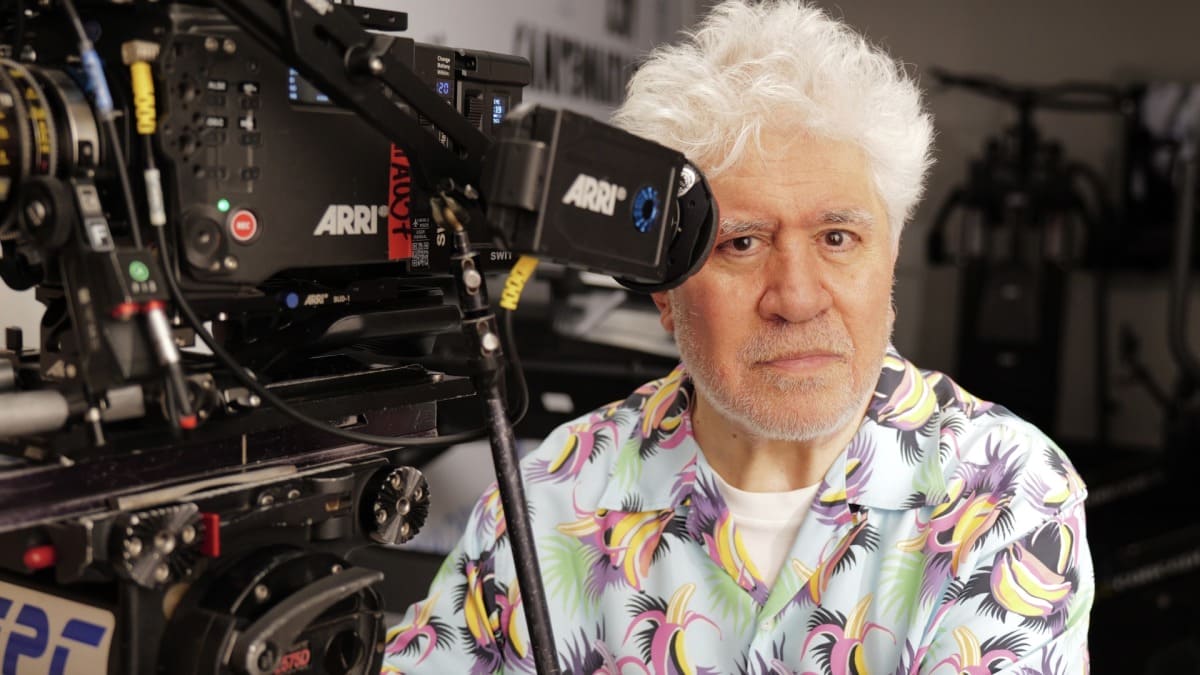
Spanish filmmaker Pedro Almodóvar has recently decided to distance himself from his self-reflective period, marking a significant shift in his career. Throughout his esteemed career, Almodóvar has produced a series of films that touch upon a range of themes, including heartbreak, strong-willed mothers, LGBTQ+ experiences, and those longing for revenge.
Despite these autobiographical elements, the director has largely turned his focus inward over the past decade, delving into his own life, relationships, creative process, and memories.
In a recent interview, Almodóvar stated that he was moving beyond his self-reflective work and embarking on new creative endeavors. He expressed his intention to explore stories outside of his home, marking the end of a deeply personal decade of filmmaking. This period of introspection, during which even films based on existing source material became reflections of Almodóvar's inner world, has proven to be one of the most profound chapters in his storied career.
Almodóvar's 20th film, Julieta, serves as a bridge between his earlier career and the inward journey he embarked upon over the past decade. Set in Madrid, the movie follows the title character, played by Emma Suárez as the older Julieta and Adriana Ugarte as her younger self, as she reconnects with her estranged daughter through chance encounters and old memories.
The film's adaptation of three Alice Munro short stories retains its unique Almodóvar touch, utilizing flashbacks and vibrant colors to tell a story that feels unmistakably his own.
Many of Almodóvar's collaborators and musical inspirations – such as Rossy de Palma, Chavela Vargas, Antonio Banderas, and Penélope Cruz – return for Julieta, showcasing the director's continued reverence for those who have inspired him throughout his journey. Pain And Glory, another reflection from this self-reflective period, tells the story of a director suffering from an illness, grappling with his childhood, relationships, and work.
The film explores themes of regret, grief, and the complicated dynamics of motherhood as the director's character confronts his past while dealing with his own mortality.
In Parallel Mothers, Almodóvar delves into the lasting impact of the Spanish Civil War's scars, exploring themes of family, truth, and the desire for closure. Drawing on his own experiences growing up in the shadow of the Franco regime, Almodóvar's work during this introspective period remains deeply personal and emotionally resonant, as he continues to grapple with his own life and creative journey.
Written by urgent.news from The A.V. Club's reporting — not their text. Machine-written — may contain errors; check the original before relying on it.