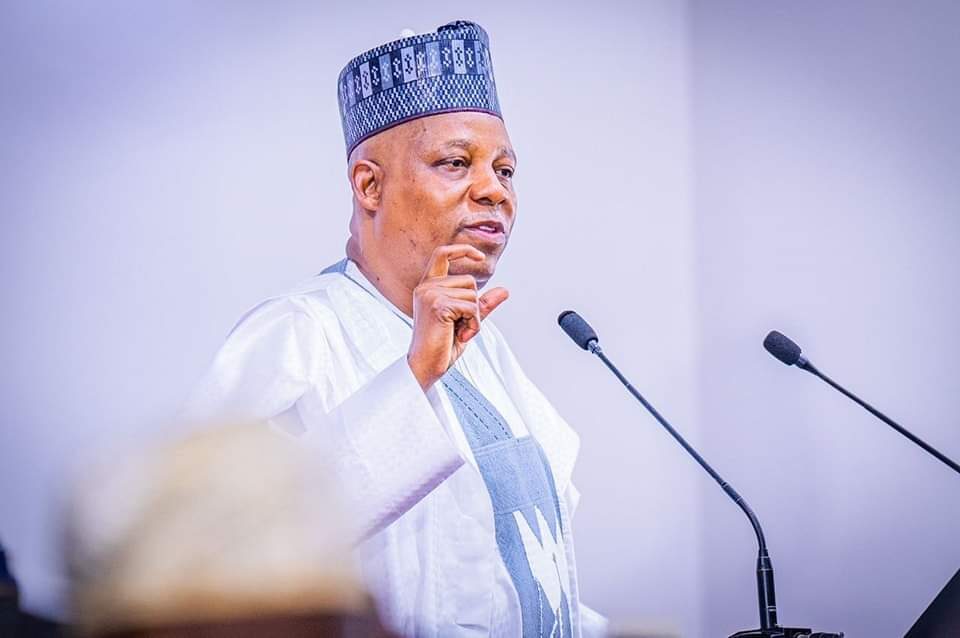
Our ambition is for an economy that creates opportunities - Deputy Finance Minister
He said Ghana had recorded significant progress in financial inclusion, with more than eight in 10 adults owning a financial account.
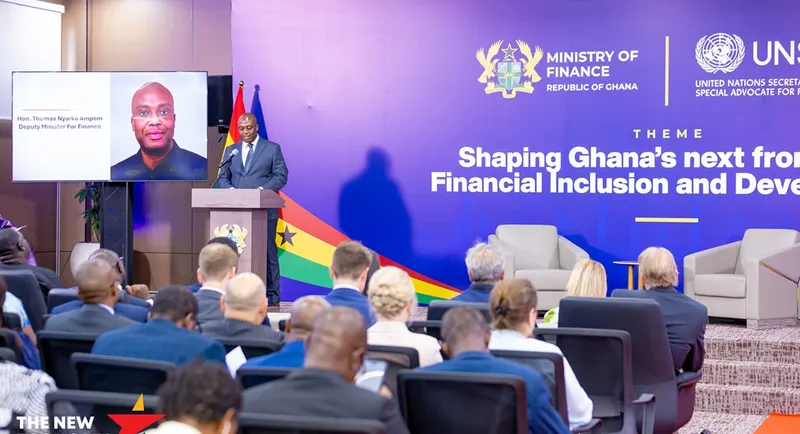
The Government of Ghana has prioritized financial health as the cornerstone of its upcoming National Financial Inclusion and Development Strategy (NFIDS) for the years 2027-2031. This new strategy aims to ensure that access to financial services leads to enhanced livelihoods, economic security, and wealth creation. Deputy Minister for Finance, Thomas Nyarko Ampem, unveiled this plan at a joint inauguration event held at the Ministry of Finance, alongside Her Majesty Queen Máxima of the Netherlands, the United Nations Secretary-General’s Special Advocate for Financial Health, and other prominent stakeholders.
While Ghana has made substantial strides in financial inclusion, with over 80% of adults now possessing a financial account according to the World Bank’s Global Findex 2025, the FinScope Survey of 2021 revealed that only 22% of adults exhibit financial health. This stark contrast highlights the necessity to shift the focus from merely owning accounts to ensuring that financial services genuinely benefit citizens.
Ampem emphasized that while the country has become proficient at opening accounts, the next step is to make these accounts contribute positively to people's lives.
The strategy will prioritize the provision of affordable and responsible financial services, the promotion of digital innovation, the enhancement of consumer protection, and the improvement of financial literacy and resilience. Special emphasis will be placed on marginalized groups such as women, young people, farmers, informal sector workers, and small businesses, who continue to encounter obstacles in accessing suitable financial products and services.
Ampem announced the establishment of a Financial Inclusion Council to enhance coordination and accountability in the implementation of the strategy. Additionally, a Financial Health Framework will be implemented to evaluate whether households can manage daily financial obligations, endure unforeseen challenges, and save and invest for the future.
Ampem underscored that this initiative aligns with the government's broader economic transformation agenda, which encompasses building a robust and competitive economy through enterprise development and expanded investment opportunities. He noted Ghana's robust macroeconomic performance, citing a 6.2% growth rate in the first half of 2026, alongside a significant reduction in inflation from 23.8% in December 2024 to 5.5% in October 2026.
The strategy will extend financial sector reforms beyond conventional banking and mobile money services, aiming to bolster capital markets and broaden access to investment opportunities, including through innovative technologies like asset tokenisation.
The development of the strategy is under the purview of a National Technical Committee consisting of representatives from the Ministry of Finance, financial sector regulators, and other stakeholders. The official launch of the NFIDS is anticipated in the first half of 2027. Ampem urged financial institutions, regulators, fintech companies, insurers, pension providers, and development partners to collaborate in supporting this endeavor.
"Our ambition is for an economy that creates opportunity, a financial system that enables participation, and a society where more individuals can achieve secure and prosperous lives," he concluded.
Written by urgent.news from 3News's reporting — not their text. Machine-written — may contain errors; check the original before relying on it.