NASA just launched a $1 million Moon Base Student Challenge to award cash prizes to students that solve lunar base problems
NASA has officially launched the Moon Base Student Challenge, asking students to help build humanity's future on the moon. And there is $1 million in prizes for the best ideas.
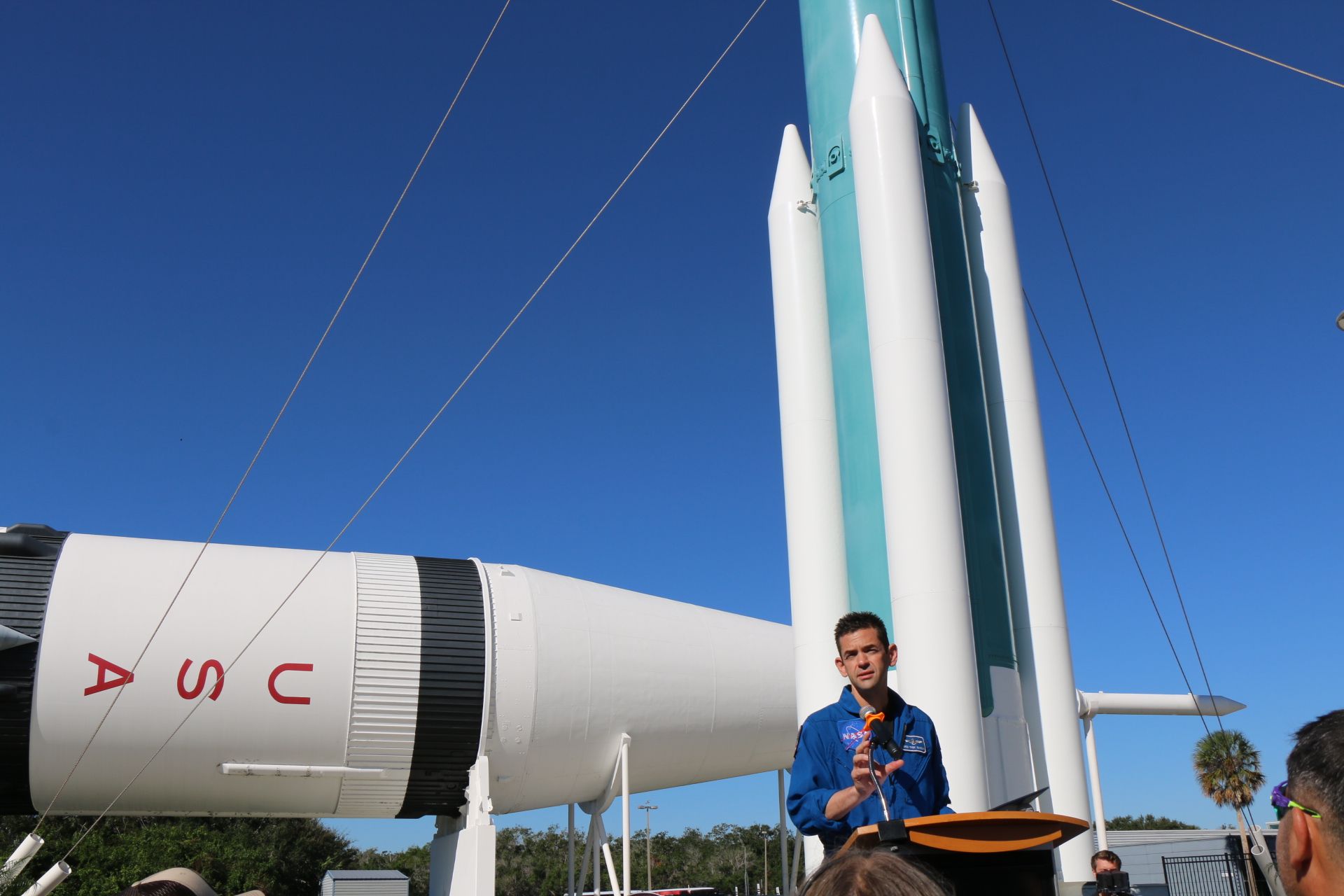
CAPE CANAVERAL, Fla. — NASA has officially launched the Moon Base Student Challenge, inviting students across the United States to help solve problems related to building and sustaining a lunar base. The initiative comes with a $1 million prize pool to reward the most innovative ideas. NASA's chief, Jared Isaacman, announced the competition during an event at NASA's Kennedy Space Center Visitor Center, where he was dressed in his flight suit.
He emphasized the importance of involving the next generation in addressing the various challenges associated with a future on the moon, such as power generation, habitat construction, communications, mobility, life support systems, and astronaut safety.
The competition is structured as a multi-phase process, mirroring the development of aerospace projects. Teams of students will first submit concepts, then refine them, and finally present their solutions to NASA leaders and stakeholders. Isaacman highlighted that the real opportunity lies in students working on problems NASA is actively trying to solve, allowing them to contribute before they graduate.
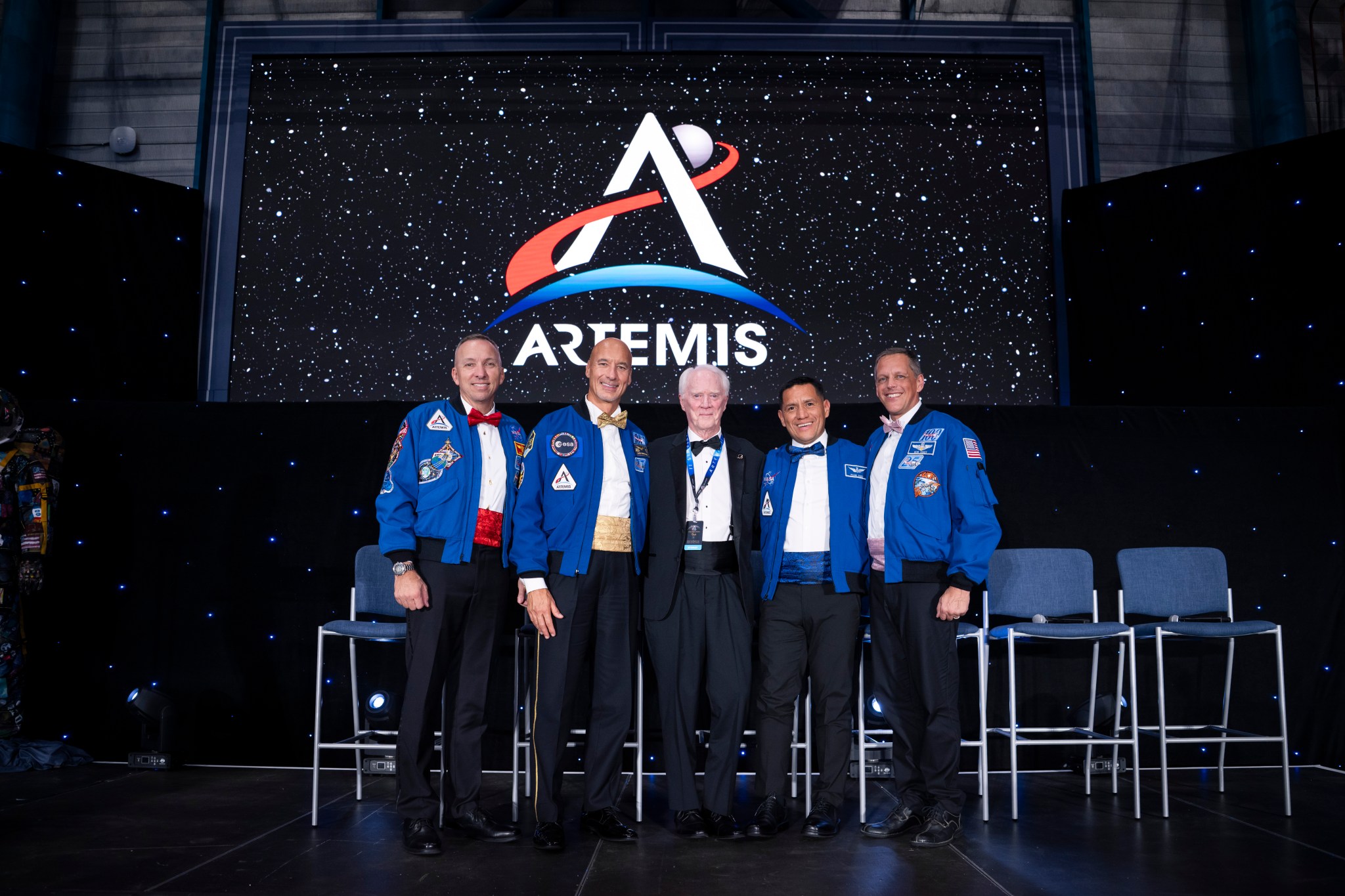
The Artemis missions, including Artemis III launching in mid-2027 and Artemis IV landing humans on the moon's surface for the first time since 1972, underscore NASA's long-term commitment to a sustained presence on the lunar surface. Interested students can register for the challenge until January 25, 2027.
Written by urgent.news from Space.com's reporting — not their text. Machine-written — may contain errors; check the original before relying on it.
This story
This is one outlet's version. Read the fullest account.