M’sia must step up vigilance against state-linked hackers, says MCCA
Malaysia Cyber Consumer Association president Siraj Jalil says threats can come from individuals, specific groups, or nations using third parties.
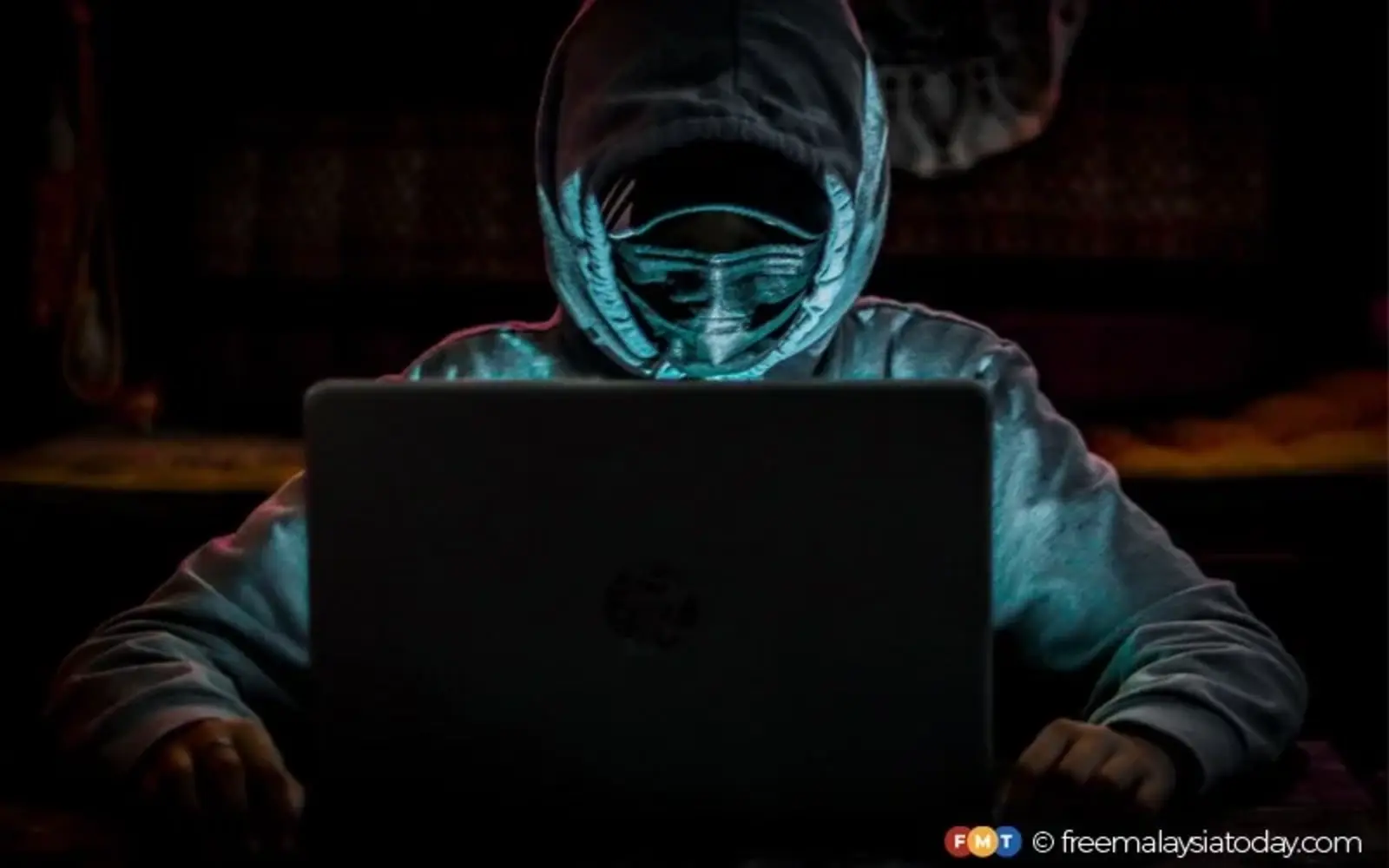
Malaysia Cyber Consumer Association president Siraj Jalil has warned that Malaysia must enhance its vigilance against state-sponsored hacker groups. These well-organized cybercriminal networks, backed or funded by specific entities, are capable of launching large-scale cyberattacks against organizations and nations. Notably, the North Korea-linked Lazarus Group has been implicated in various international hacking incidents, including breaches in the financial sector and cryptocurrency exchanges.
Advanced Persistent Threat (APT) groups associated with Russia and other countries are also proficient in surreptitiously infiltrating systems over extended periods to pilfer sensitive information or disrupt essential services. Siraj highlighted the Malaysian government's decision to elevate the national cybersecurity threat level from low to moderate, signaling a proactive stance towards fortifying the country's digital infrastructure protection.
The Malaysian government's cybersecurity framework has been bolstered by collaboration among various stakeholders, including the cybersecurity community, industry, and the government, fueled by the enactment of the Cyber Security Act 2024. Siraj lauded Malaysia's cybersecurity standing as commendable and emphasized the collective efforts of all parties to continuously bolster readiness against prevalent threats.
He assured the public that raising the threat level is a precautionary measure without inducing panic in case of intrusions or disruptions to critical services.
Siraj stressed that threats can emanate from individuals, specific groups, or even nations employing third parties and state-sponsored groups. He noted that cyberattacks often conceal direct state involvement, as they typically employ anonymous, unidentified entities to stage attacks on other nations. Malaysia's digital defense mechanism, built on coordinated efforts among the National Cyber Security Agency (Nacsa), CyberSecurity Malaysia, the police, the armed forces, and the personal data protection department, is being actively fortified.
Former Prime Minister Anwar Ibrahim had previously indicated that Malaysia could be a target for cyberattacks due to the robustness of its digital infrastructure and data centers, as well as the government's firm stance on several international issues, including Palestine and Gaza.
Written by urgent.news from Free Malaysia Today's reporting — not their text. Machine-written — may contain errors; check the original before relying on it.
This story
This is one outlet's version. Read the fullest account.