Many PCs from '80s and '90s had keyhole locks, right next to the Turbo and Reset buttons. What was it for?
Your 486 had a key. Do you remember what it was for? Read Entire Article
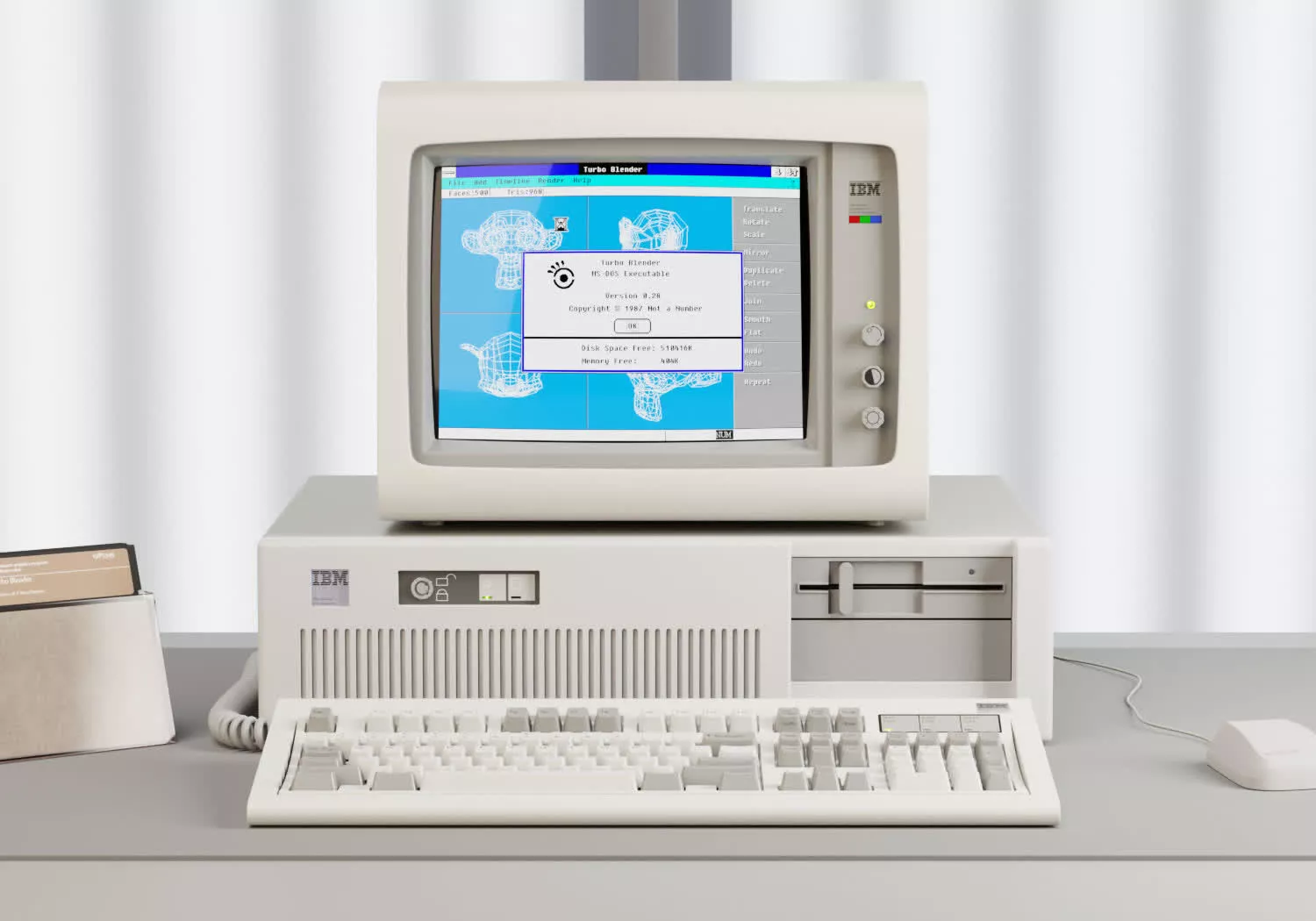
In the 1980s and 1990s, many personal computers featured a small keyhole lock near the Turbo and Reset buttons on the front panel. This lock was known as the keylock, manufactured by IBM. The primary purpose of the keylock was to act as a physical password, preventing unauthorized access to the computer's keyboard. Early IBM-compatible PCs ran MS-DOS, a single-user system lacking accounts and passwords, allowing anyone who sat down at the desk to access or delete files with a keystroke.
IBM had previously implemented keylocks on its mainframes and servers, and in 1984, the company introduced the concept to the IBM PC AT (model 5170), a high-end 286-based machine priced at over $12,500 in today's money. The AT came equipped with a tubular pin-tumbler lock, similar to Ace locks found on vending machines, pinball tables, and alarm panels.
The keylock served multiple functions; it blocked the keyboard at the controller level, preventing software from bypassing it, halted the BIOS self-test when the machine was powered on while locked, and moved a metal piece inside the case to stop the cover from being removed. IBM also offered a separate Keylock Option for the original PC and XT, which went even further and blocked the machine from powering on altogether.
PC clone makers copied the feature but often only disabled the keyboard, reserving the case-locking function for higher-end systems. The keylock's compatibility became a selling point for PC clones. By the early-to-mid 1990s, the keylock faded away as passwords became prevalent in software. Windows NT, NetWare, and Linux introduced real user accounts, Windows 95 implemented profiles (though not true security), and BIOS passwords became common.
The concept of a physical lock lives on today in cable locks like Kensington's, lockable front panels of servers, and the keyboard shortcut used to lock your screen.
Written by urgent.news from TechSpot's reporting — not their text. Machine-written — may contain errors; check the original before relying on it.