LOCAL ELECTIONS 2026: Joburg after the vote: four things to watch as coalition talks begin
The DA opened a historic gap on the ANC in Johannesburg but fell short of 40%. With 15 smaller parties holding seats, building a coalition will test every negotiator in the city.
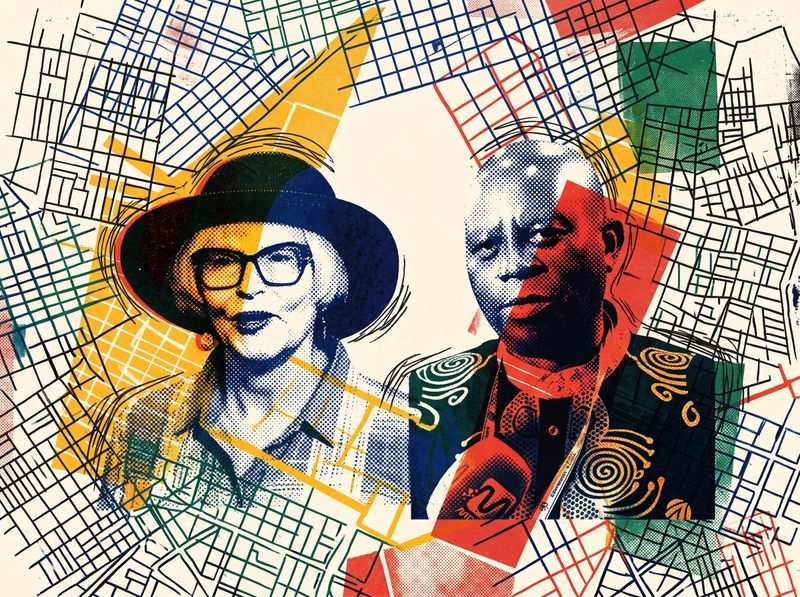
The recent Johannesburg local elections in November saw Helen Zille's Democratic Alliance (DA) secure a significant lead over the ANC, but fell short of the party's 40% target. Zille, the DA's mayoral candidate, achieved the widest gap ever between the DA and the ANC in the city. The election results show a diverse landscape, with seven parties holding one seat each, three parties with two seats, two parties with three seats, and three parties with five seats.
The fragmented results pose challenges for coalition-building, as larger parties like the DA, ANC, and the kingmaker ActionSA will need to negotiate effectively. The DA and ANC could theoretically form a two-party coalition, but this seems unlikely. Zille has stated that the DA would prefer to go into opposition rather than enter an unstable coalition.
Three main coalition options are being considered: a government of local unity, a confidence and supply agreement, and a two-party pact for a city on the brink. The government of local unity, proposed by DA leader Geordin Hill-Lewis, aims to create unity of purpose. A confidence and supply agreement involves one party holding the balance of power, while the other party runs the city.
A two-party pact between the reformist wing of the ANC and the DA could expedite the resolution of Johannesburg's crises, but only if President Cyril Ramaphosa implements a version of the Madlanga Commission of Inquiry into organized crime in the city administration.
Written by urgent.news from Daily Maverick's reporting — not their text. Machine-written — may contain errors; check the original before relying on it.