KDN berhati-hati kemungkinan ‘tahanan salah’ terhadap Najib
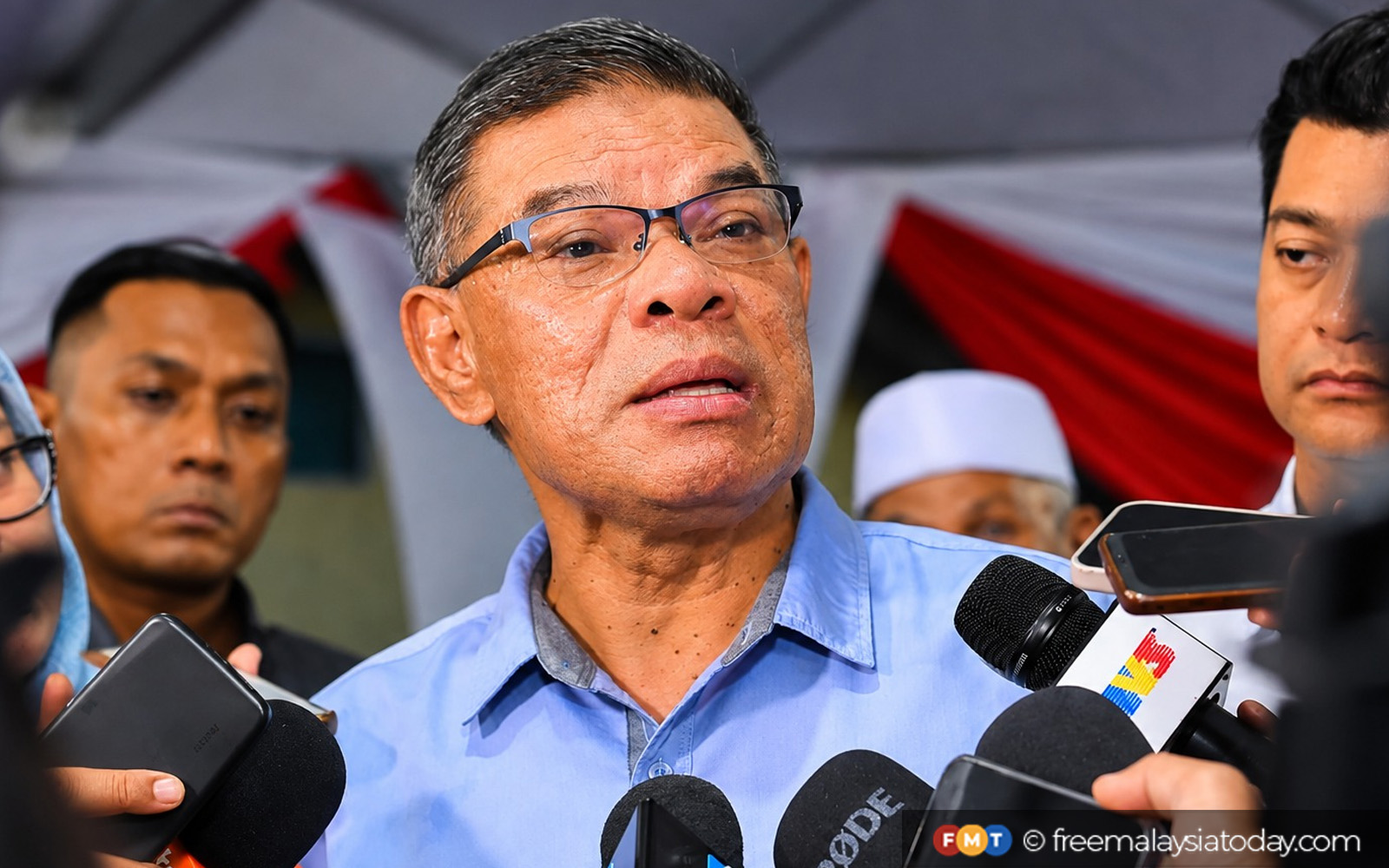
Saifuddin Nasution Ismail berkata tafsiran bercanggah berhubung 'perintah pelepasan' mahkamah dan keputusan lembaga pengampunan mestilah diperjelas dahulu.
The case has returned Najib Razak to Penjara Kajang, located just 3km from my residence in Simpang Balak, sparking anger among various parties following Umno's payment of a RM50 million fine in the SRC International case. Perceptions differ, with some from Umno and its Perikatan Nasional (PN) allies, while others come from Yang di-Pertuan Agong's office.
Most view the royal pardon clearly. As soon as Najib paid the RM50 million fine, he should have returned to his Langkawi Duta residence to serve his house arrest until August 2028, when his imprisonment sentence in the 1MDB case ends. Afterwards, I expected Najib to return to Penjara Kajang to serve his 15-year prison sentence, in addition to paying the RM11 billion fine.
I also assume Umno will once again demand full apology or reduction of his sentence, allowing him to live in house arrest again. However, can the implementation be as simple as anticipated? Several issues need consideration, as this Najib's house arrest creates a new precedent in the country. First, safety concerns. From a building design and safety standpoint, how far can a house or bungalow be converted into a truly safe residence?
Does the house need to be renovated with special safety locks and steel bars on windows to prevent a prisoner from escaping with outside help? Who would bear the cost? The most important question is who would bear the cost of renovating and upgrading the house? The house belongs to Najib. Any renovation or upgrading work would ultimately benefit the owner.
The government only uses the house as temporary housing until Najib completes his sentence. Afterward, the house returns to its full original use for the owner. However, Najib must return to Penjara Kajang in August 2028, before becoming Prime Minister again under Umno and the party seeking full apology or reduction of his sentence for a third or fourth time.
My second question relates to visitation, considering Langkawi Duta is now portrayed as a prison. Based on my understanding of the pardon authority's instructions, which I have not read the full meeting minutes, the only change is the location of the prison. Thus, the questions all parties want answered are: what rules and regulations will be applied in this new prison?
Can Najib receive visits from family, Umno or PN members more freely? Could private meetings take place securely, allowing him room to plot his political comeback? Can he use electronic communication devices like smartphones or tablets for activities such as taking selfies while eating, reading, or light exercise, rather than returning to the scrutiny of YouTube's Bossku 2.0 phenomenon?
Or will Najib still be subject to the same rules and restrictions as when he was in Penjara Kajang? Who is responsible? My third question relates to how the RM50 million fine is collected. The size of the fine creates its own unique precedent. It is difficult for someone with common sense to believe that the entire amount came from ordinary members or those sympathetic to Najib's plight.
Some speculate that certain individuals secretly funded the donations appearing suddenly within a day, while before no one thought such a sum could be collected. What we heard earlier was only the Umno Secretary-General Asyraf Wajdi Dusuki's announcement that RM10 million was collected within the first two weeks. Since then, no further developments.
Suddenly, the collected amount reached RM50 million! Doubts arise about whether the donations might actually be investment funds or bribes from Umno cronies expecting something in return. This situation raises moral questions about the collection of donations. Although there is no law mandating a transparent collection campaign, I believe it could be done if someone reports to the police or the Malaysia Anti-Corruption Agency (SPRM).
However, if no one comes forward to report, we need laws to ensure the donation campaign is free from manipulation, so its moral integrity is not questioned. This is a situation never before encountered, so it deserves deeper investigation. The moral issue Another concern is the religious implications when donations are given to an individual accused of criminal wrongdoing.
Through a brief internet search, I found a fatwa stating that a Muslim is allowed to donate to an individual accused of wrongdoing, provided two conditions are met: the individual must first admit their guilt and openly declare repentance. Only then is it permissible to aid such a detainee. As far as I know, Najib has not yet met the confession and repentance criteria.
Therefore, what does this situation say about the moral standing of Islam in our country? My final question is for those who will govern this nation. We know there are political parties with several individuals in their ranks who have been accused of corruption, including the current prime minister and his predecessor. It is crucial that any rules regarding house arrest be clearly explained without leaving any ambiguity.
Written by urgent.news from Free Malaysia Today's reporting — not their text. Machine-written — may contain errors; check the original before relying on it.
This story
This is one outlet's version. Read the fullest account.
- KDN berhati-hati kemungkinan ‘tahanan salah’ terhadap Najib freemalaysiatoday.com