Is BoG squeezing jobs to tame inflation? – Oppong Nkrumah questions policy stance
The Ranking Member of Parliament for the Economy and Development Committee, Kojo Oppong Nkrumah, has questioned whether the Bank of Ghana’s efforts to lower inflation are putting unnecessary pressure on businesses, job creation, and economic growth.
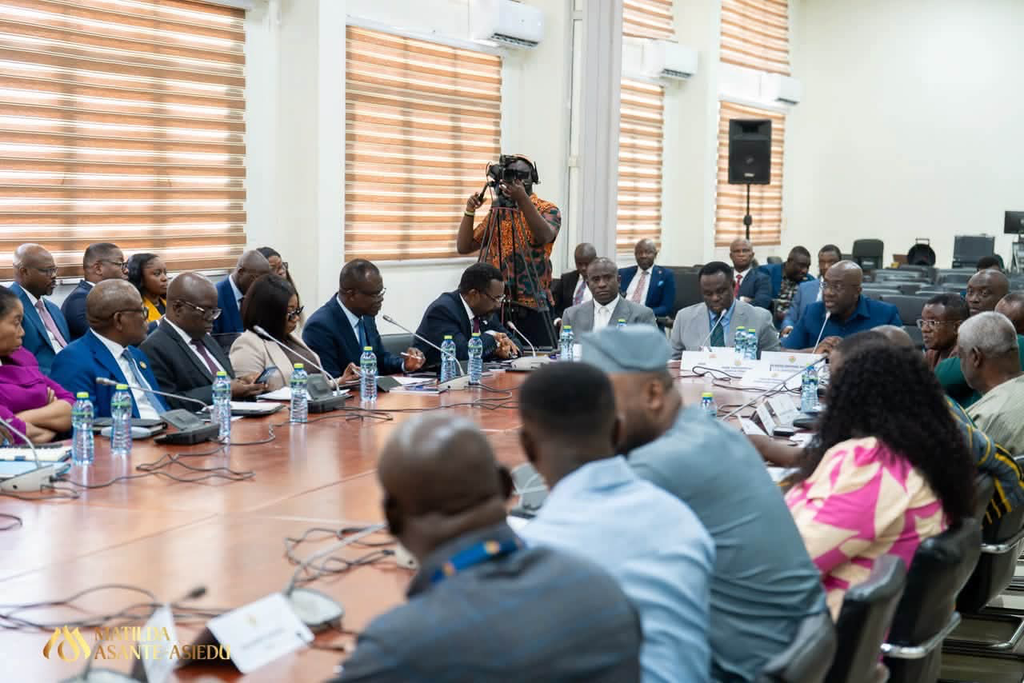
Ranking Member of Parliament Kojo Oppong Nkrumah questioned whether the Bank of Ghana's focus on fighting inflation could be harming job creation and economic growth. At a meeting with Bank officials, Nkrumah argued that monetary policy should consider more than just inflation rates, looking into the challenges faced by households and businesses.
He pointed out that the October 2026 inflation rate was 5.5%, below the Bank's target range of 6% to 10%. Nkrumah wondered if aiming for such a low inflation rate might keep monetary conditions too tight. He suggested that the inflation target should promote an environment that fosters growth and employment rather than just being a statistical goal.
The BoG official denied that the central bank was deliberately targeting a lower inflation rate. The official stated that the Bank's forecasts predicted inflation returning to around 8% within the next couple of years. The Monetary Policy Committee needed to stay vigilant for new risks, according to the official.
Nkrumah further questioned whether the Bank's measures to reduce demand were suitable when most of Ghana's inflation was due to higher costs. He cited the IMF's latest report, arguing that factors like production costs, utility charges, and rent needed attention alongside monetary policy. He asked if sterilization of liquidity and other demand-management measures could slow down economic activity without directly tackling these cost pressures.
The MP also asked if the Bank was advising the government and relevant institutions on how to handle rising costs for businesses and households. The BoG official said that monetary policy is mainly used to manage demand and cannot directly deal with supply-side issues. The official said policy decisions are made based on economic data and trying to keep prices stable while promoting growth.
Nkrumah also brought up concerns about how inflation rates can differ between the national average and what people experience in specific regions and industries. He pointed out that, even though the national inflation rate was 5.5%, it was around 9.8% in the Ashanti Region and 8.3% in services. He wondered if these differences might explain why many people are still struggling with higher living costs despite falling inflation.
He argued that economic indicators should be looked at along with the real costs faced by households and businesses, especially for necessary services.
Written by urgent.news from MyJoyOnline Ghana's reporting — not their text. Machine-written — may contain errors; check the original before relying on it.