Human-crow relations show strain as Kathmandu observes annual day of the crow
KATHMANDU — Ramesh Dulal was 13 years old when he began “communicating” with crows. He started making sounds resembling the crows, who would respond by gathering around him, he recalls. Popularly known as kagé, crows are called kaag in Nepali, and Nepal observes an annual day of the crow, called Kaag Tihar, which falls around […]
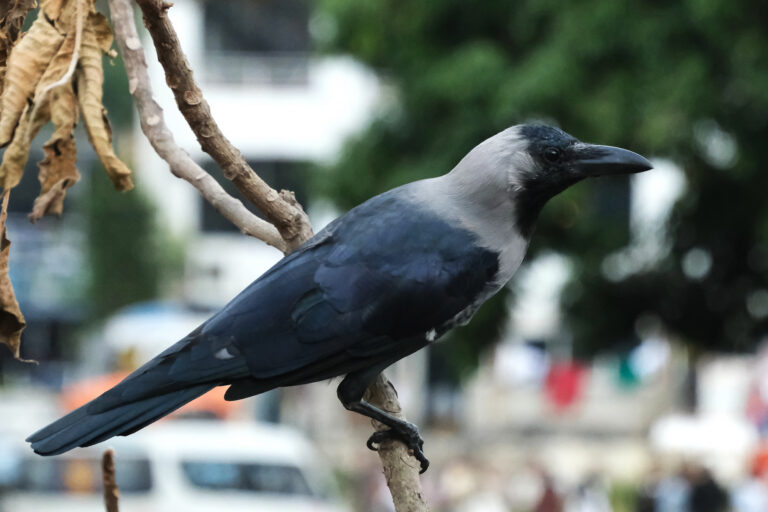
KATHMANDU — Ramesh Dulal, a 35-year-old folk music singer and activist, has been communicating with crows since he was 13 years old. Known locally as kagé, or kaag in Nepali, the bird's annual day of observance in Nepal, Kaag Tihar, coincides with the Hindu festival of Deepawali, or Diwali. Dulal organizes what he calls the Crow Conference every year on this day. This year, it took place on Saturday, Nov. 7.
At the event, Dulal, who can mimic the calls of up to 100 birds, addresses a crowd using a microphone. He speaks about the religious significance of crows and their role in the ecosystem. Afterward, the conference concludes. Dulal genuinely welcomes crows to his gathering, but many Kathmandu residents prefer to deter them, particularly after a bird flu outbreak was linked to the Central Zoo.
However, as trees disappear and waste accumulates, crows are thriving in the city. House crows, in particular, are taking advantage of the abundance of scraps.
Written by urgent.news from Mongabay's reporting — not their text. Machine-written — may contain errors; check the original before relying on it.