How the 2026 local elections have grand national implications
William Saunderson-Meyer explains how coalitions could shape the balance of national politics on the road to 2029.
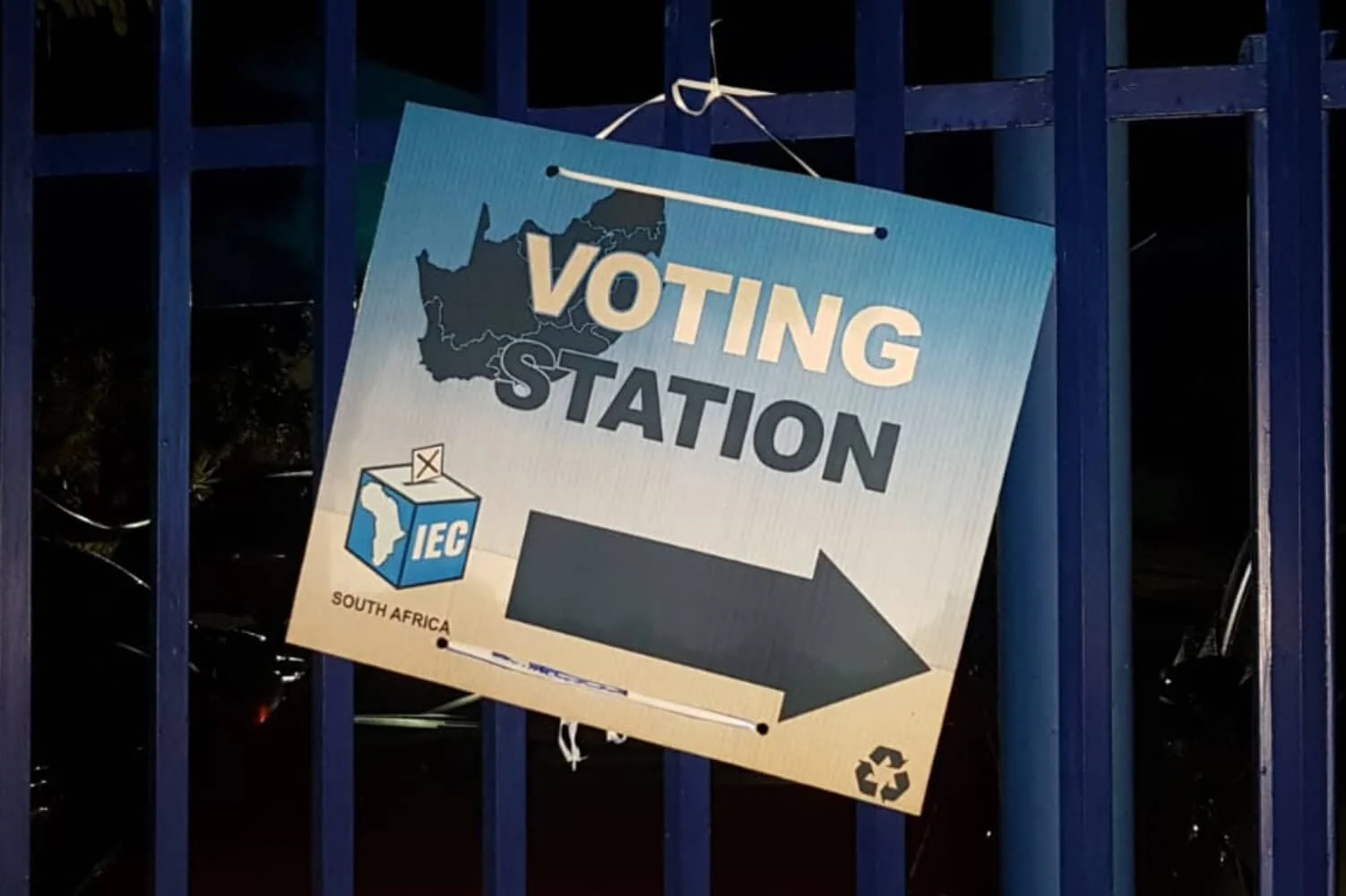
The 2026 local elections in South Africa have far-reaching national implications, extending beyond the municipal level to influence the broader political landscape. The polls serve as a verdict on the ANC's mismanagement at the local government level and a barometer for how the electorate perceives the party's failure. They also hint at the potential reshaping of national politics for years to come.
The significance of Wednesday's polls lies not only in the voting results but in the actions parties take with the power those votes grant them. The 2021 polls, in some ways, anticipated the national unity government (GNU) that emerged three years later. A third of the contested municipalities resulted in hung councils, leading to a redistribution of perks and support rather than a fundamental change in governance.
The ANC retains significant power despite losing its parliamentary majority, controlling key departments and institutions that shape the ideological direction of government. The DA, the largest opposition party, holds the key to compelling the ANC to reform. A potential two-party arrangement or alliance with smaller parties could force the ANC to effect change. However, the ANC's track record of indifference to ordinary South Africans presents a challenge.
The 2026 polls provide an opportunity for political parties to prioritize agreements on governance over negotiations about job allocations. Political maturity is essential for this, which has been lacking thus far. Voters' appetite for pragmatism is evident, but the DA's modest electoral gains so far suggest the ANC's losses have not translated into demand for a fundamental change in governance.
The enduring paradox in South African politics is that widespread disenchantment with the ANC has not led to significant gains for opposition parties. The ANC's losses coincide with the rise of its breakaway rivals, the EFF and uMkhonto weSizwe, as well as voter abstention and the proliferation of smaller parties. The important measure of these elections is not just whether voters change who governs, but whether the results create conditions for changing how South Africa is governed.
Therefore, the elections matter beyond the fate of individual municipalities and could set a template for government after the 2029 national election.
Written by urgent.news from The Citizen's reporting — not their text. Machine-written — may contain errors; check the original before relying on it.