How Cancer-Associated Gene Triggers Cell Division Without Unpacking the Genome
A study showed how E2F1 can trigger cell division without having to unpack the cell’s genetic material. Instead, it takes a shortcut path by binding directly to a small area of the DNA that remains tightly packaged inside the cell. The post How Cancer-Associated Gene Triggers Cell Division Without Unpacking the Genome appeared first on GEN - Genetic Engineering and Biotechnology News .
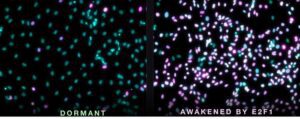
Researchers at the University of California, Santa Cruz have discovered that a cancer-associated gene called E2F1 can trigger cell division without the usual steps of unpacking the cell's genetic material. This finding, published in The EMBO Journal, sheds new light on the processes behind cell proliferation and could aid in the development of more targeted cancer treatments.
E2F1 is a transcription factor that normally regulates the cell cycle, but the researchers found that it can bypass the normal requirements for chromatin accessibility to induce cell-cycle reentry. Instead of unpacking the DNA, E2F1 directly binds to a small area of the genome, activating genes related to cell division. This discovery challenges the conventional understanding of how transcription factors activate genes and opens up new avenues for research into the mechanisms of cell division and potential therapeutic targets for cancer.
Written by urgent.news from GEN Biotechnology's reporting — not their text. Machine-written — may contain errors; check the original before relying on it.


