Honey traps: How sex and scandal have long been used in espionage
PARIS: AI, superchips and cyber warfare may be reshaping modern espionage, but some secrets are still won the old-fashioned way: through sex and scandal.
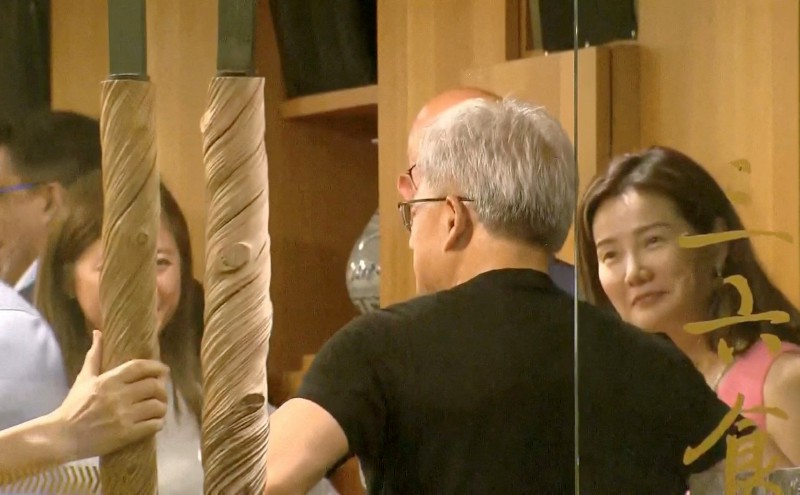
In the realm of espionage, traditional methods such as sex and scandal continue to play a significant role, as evidenced by the latest controversy surrounding Nvidia CEO Jensen Huang and a woman accused of working for Chinese intelligence. This incident has brought attention back to the "honey trap," an age-old spying tactic that employs attraction and intimacy to extract secrets and influence influential individuals.
Throughout history, numerous high-profile individuals have fallen victim to such operations. Mata Hari, a Dutch exotic dancer, was executed in 1917 after being accused of spying for Germany during World War I. During the Cold War, French ambassador Maurice Dejean was recalled from Moscow due to an extramarital affair, while Soviet KGB agents blackmailed British embassy employee John Vassall with intimate photos revealing his homosexuality.
The honey trap can manifest in various forms, ranging from professional seducers like East Germany's "Romeo Spies" to unsuspecting business executives or well-connected individuals who infiltrate the target's social circle. In the Nvidia case, Alice Huang, a senior role at an AI computing infrastructure firm, is alleged to have been recruited by China's state security ministry to make contact with Huang.
Not all honey traps are as subtle as this case. A former member of a French security service recounted a seemingly innocent encounter with a woman from South America who, despite her evasiveness about her work, kept emphasizing her marital problems and displayed intimate photos of herself. Such deceptive approaches highlight the importance of remaining cautious when faced with intense or overly generous interest.
Written by urgent.news from New Straits Times's reporting — not their text. Machine-written — may contain errors; check the original before relying on it.