Helping Ebola patients manage their mental health
Mental health support is a critical part of responding to Ebola. At the Doctors Without Borders (MSF) Ebola treatment centre in Mongbwalu, eastern Democratic Republic of Congo, a dedicated mental health team helps patients and families navigate fear, uncertainty, grief and recovery. The post Helping Ebola patients manage their mental health appeared first on Bhekisisa .
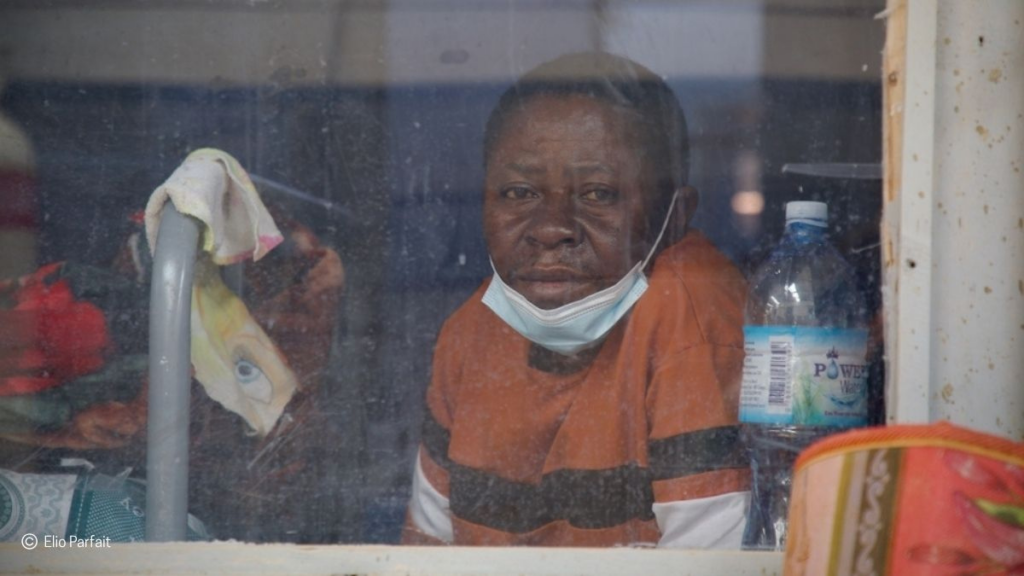
Mental health care is an essential aspect of treating Ebola patients. At the Doctors Without Borders Ebola treatment centre in Mongbwalu, eastern Democratic Republic of Congo, a specialized mental health team assists both patients and their families in coping with the emotional challenges that arise during treatment. The team, which consists of eight members including psychologists and community mental health workers, provides support throughout the patients' seven to ten-day stay.
Upon admission, mental health professionals ensure a health worker is present to explain the treatment process and provide reassurance to patients and their families. Transparent panels in the rooms allow the mental health team to communicate with patients without exposing themselves, maintaining a link between patients and the outside world. Confidential psychological consultations are available for those who need them, and team members wear protective gear when entering high-risk zones to offer additional support.
When a patient's condition worsens and recovery is no longer possible, the mental health team supports the family through the process of preparing for the loss. They also help families navigate any stigma or rejection they may face within their communities following the patient's death, as people in this region often embrace their dead to say goodbye, which can lead to frustration and misunderstanding.
Patients who recover from Ebola receive follow-up care through a six-month "survivors' clinic." Mental health professionals organize individual consultations and group discussions to address any stigma, job loss, or community rejection the survivors may experience. They also attempt to alleviate feelings of guilt that some survivors may have for loved ones who did not survive the disease.
One particularly memorable moment from Phoebe Zueya Yonkeu's time at the ETC involved a young girl whose mother had been separated from her upon admission. The mental health team intervened, asking the girl what would help her feel better. She immediately requested a doll. Phoebe arranged for the medical manager to order a doll, and less than half an hour later, the girl had her doll.
The mental health team felt a sense of joy and satisfaction from providing this small comfort to the child, and the experience is one they still recall fondly.
Written by urgent.news from Bhekisisa's reporting — not their text. Machine-written — may contain errors; check the original before relying on it.