GNRF convenes researchers to assess Gene Drive Technology for malaria elimination in Ghana
BY : DOREEN AMPOFO The Ghana National Research Fund (GNRF) in collaboration with the GATES Foundation has convened a two-day workshop bringing together Ghanaian researchers to evaluate modern technologies that could help eliminate malaria in the country. A key highlight of the discussions was research on gene drive technology, which involves genetically modifying Anopheles mosquitoes […]
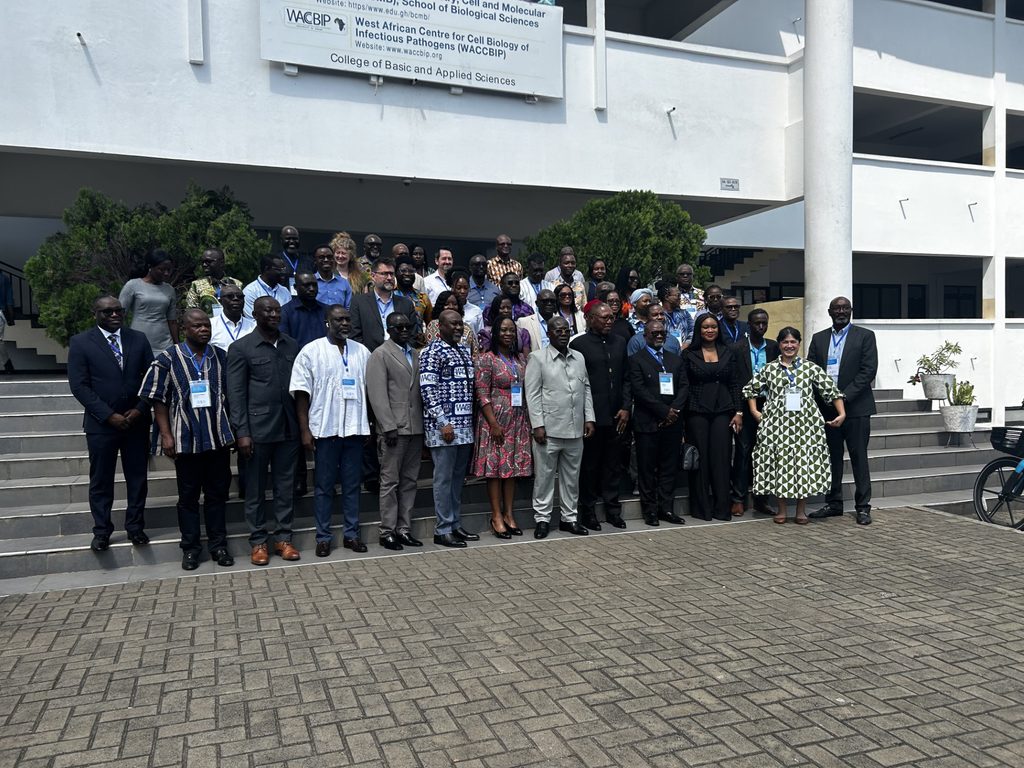
The Ghana National Research Fund, in partnership with the Gates Foundation, convened a two-day workshop aimed at evaluating advanced technologies to eradicate malaria in Ghana. A significant focus of the discussions centered on gene drive technology, which involves genetically modifying Anopheles mosquitoes to rapidly spread a genetic change within wild populations, thus preventing them from transmitting the malaria parasite.
The workshop is assessing the feasibility of this technology, which has become crucial due to ongoing challenges such as insecticide resistance, the presence of outdoor-biting mosquitoes, and residual transmission in certain areas. This initiative is part of broader efforts to incorporate cutting-edge scientific methods into Ghana's ongoing battle against the disease.
Prof Abigail Opoku Mensah, Administrator of the GNRF, emphasized the workshop's goal to facilitate collaborative planning among researchers, public health officials, and partner institutions regarding the scientific, regulatory, ethical, and community engagement aspects of implementing any future use of this technology in Ghana.
She highlighted the substantial financial investment the nation makes in purchasing malaria medications, stating that successful research and support for this new technology could lead to malaria elimination and a reduction in the importation of malaria drugs.
Dr Clement Apaak, Deputy Minister of Education, pointed out that malaria impacts not only health but also education and household finances. Ghana has made notable progress in combating the disease, yet in 2022 alone, over 5.3 million cases were recorded. Insecticide resistance is weakening the effectiveness of existing tools, Dr Apaak noted.
He stressed that if Ghana is genuinely committed to malaria elimination, the country must embrace new scientific approaches. The GNRF's involvement aligns with its mandate to address national health challenges and translate research findings into tangible solutions. UNESCO, the UK Foreign, Commonwealth and Development Office (FCDO), and other partners are supporting the Fund in fulfilling this mission.
Written by urgent.news from GBC Ghana's reporting — not their text. Machine-written — may contain errors; check the original before relying on it.