Feature: The War Would End Quicker If Trafficked Men And Women Weren’t Made To Participate In It
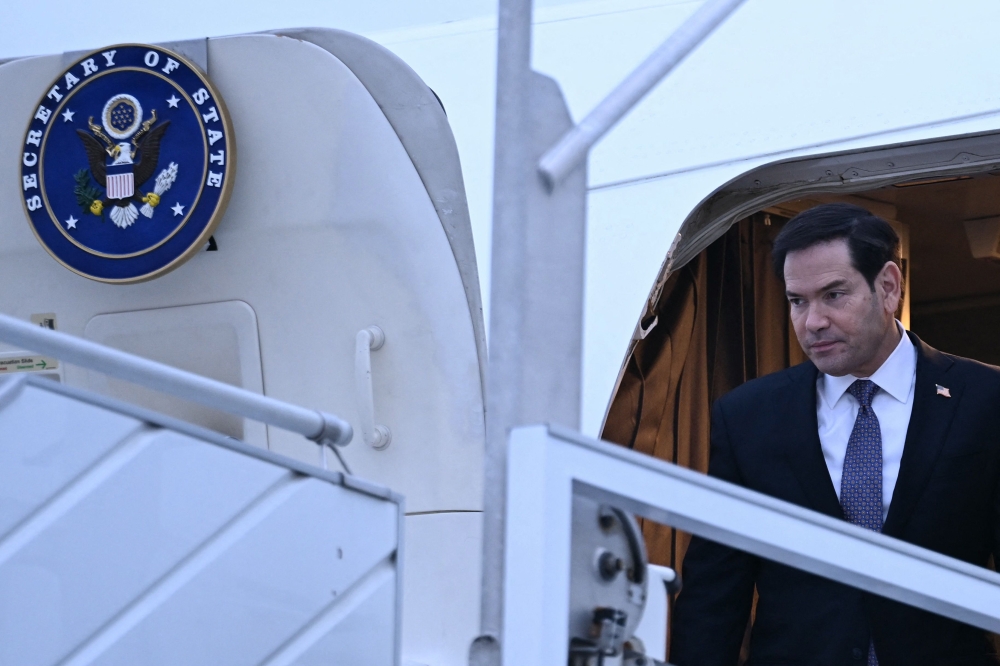
Speaking to the Russian broadcaster RT, President John Mahama said that some members of his delegation arrived in Moscow expecting bombed-out streets and an economy in ruins, and found Muscovites going about their daily lives instead. He also said he hopes the Russia-Ukraine conflict will end “as quickly as possible,” according to the Business & […] The post Feature: The War Would End Quicker If…
In a recent summit in Moscow, President John Mahama of Ghana expressed his hope for a quick resolution to the Russia-Ukraine conflict. However, he also pointed out a concerning issue that is prolonging the war: the recruitment of African men and women for Russia's military and industrial needs. This recruitment, often disguised as scholarship programs or bilateral labor agreements, is being used to supply a war economy that is struggling to find enough native personnel.
The Business & Financial Times reported that over 1,800 African men have signed military contracts with Russia, with the number of recruits rising from 7% in 2024 to 33% in 2025. Additionally, African women, particularly those aged 18 to 22, are being targeted for employment in drone assembly at the Alabuga Special Economic Zone in Tatarstan. According to AP and GI-TOC investigators, about 90% of participants end up working on drone assembly, even if they applied for different jobs.
The recruitment process often involves creating a facade of job opportunities, such as scholarships and employment agreements, which conceal the true nature of the work. Recruits are subjected to non-disclosure agreements, deductions for rent and taxes, and fines for missed days. Passports may be seized, leaving them with no way to leave. In the case of men recruited for military service, a Russian decree requires them to choose between military service and leaving the country.
Ghana, like other African nations, is opening its doors to this recruitment channel. A memorandum of understanding has been signed between Ghana and the Alabuga zone, aiming to facilitate the recruitment of Ghanaian workers for industrial and manufacturing roles. However, this poses a significant concern, as the safeguards in place on paper do not reach the factory floor.
The trust built through channels like influencers and WhatsApp applications further complicates the situation, as the deception becomes apparent only at the factory.
Ghana's Foreign Minister, Samuel Okudzeto Ablakwa, has acknowledged the presence of Ghanaians recruited since 2022, with 55 reported dead and 15 others missing. Despite this, Ghana cannot consistently condemn one recruitment channel while simultaneously opening another. The assurance from Moscow that Ghanaians are no longer allowed to participate in the war is a hopeful development, but it remains unverified and does not address the labor channel directly. Further investigation is needed to fully understand the implications of this issue.
Written by urgent.news from The Chronicle Ghana's reporting — not their text. Machine-written — may contain errors; check the original before relying on it.