FDA warns of rare 'eye stroke' risk from GLP-1 drugs
The Food and Drug Administration (FDA) on Monday required pharmaceutical companies to warn patients and healthcare providers of a potential increased risk of a serious eye condition associated with the use of GLP-1 drugs for weight loss and diabetes. Non-arteritic anterior ischemic optic neuropathy (NAION), often referred to as an "eye stroke,” is a rare condition...
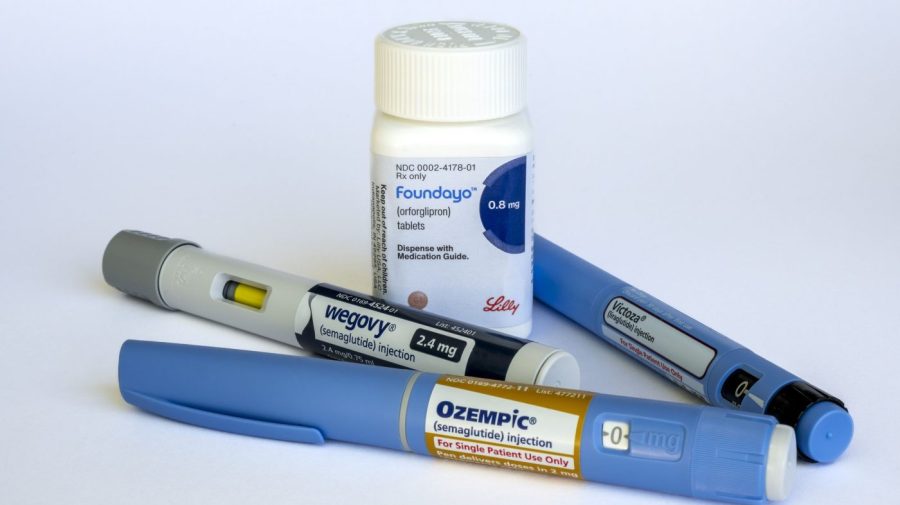
The U.S. Food and Drug Administration has added a warning to popular weight loss drugs, including Ozempic and Wegovy, regarding a rare side effect that could potentially lead to permanent vision loss. The FDA announced this new labeling requirement on Monday. The risk will be included in the labeling of all GLP-1 drugs, which are used to treat obesity, diabetes, and several other medical conditions.
These drugs include Ozempic, Wegovy, Zepbound, and Mounjaro, among others. The FDA discovered this issue after a 2024 medical paper linked non-arteritic anterior ischemic optic neuropathy to semaglutide, the active drug in Ozempic. This eye condition can cause significant vision loss due to decreased blood flow to the optic nerve, although the exact cause remains unclear.
The FDA's analysis of clinical trials revealed that about 6 out of every 100,000 patients who took a GLP-1 drug for at least a year experienced this issue, compared to less than 4 per 100,000 for those taking placebos or other glucose-lowering medications. Patients experiencing symptoms such as blurred vision, blind spots, distorted colors, or other visual disturbances should seek medical attention immediately.
Written by urgent.news from Winnipeg Free Press's reporting — not their text. Machine-written — may contain errors; check the original before relying on it.
This story
This is one outlet's version. Read the fullest account.