Fake memory cards are everywhere, and here's how to spot them
Counterfeit memory cards promise the world, but don't take them on their word
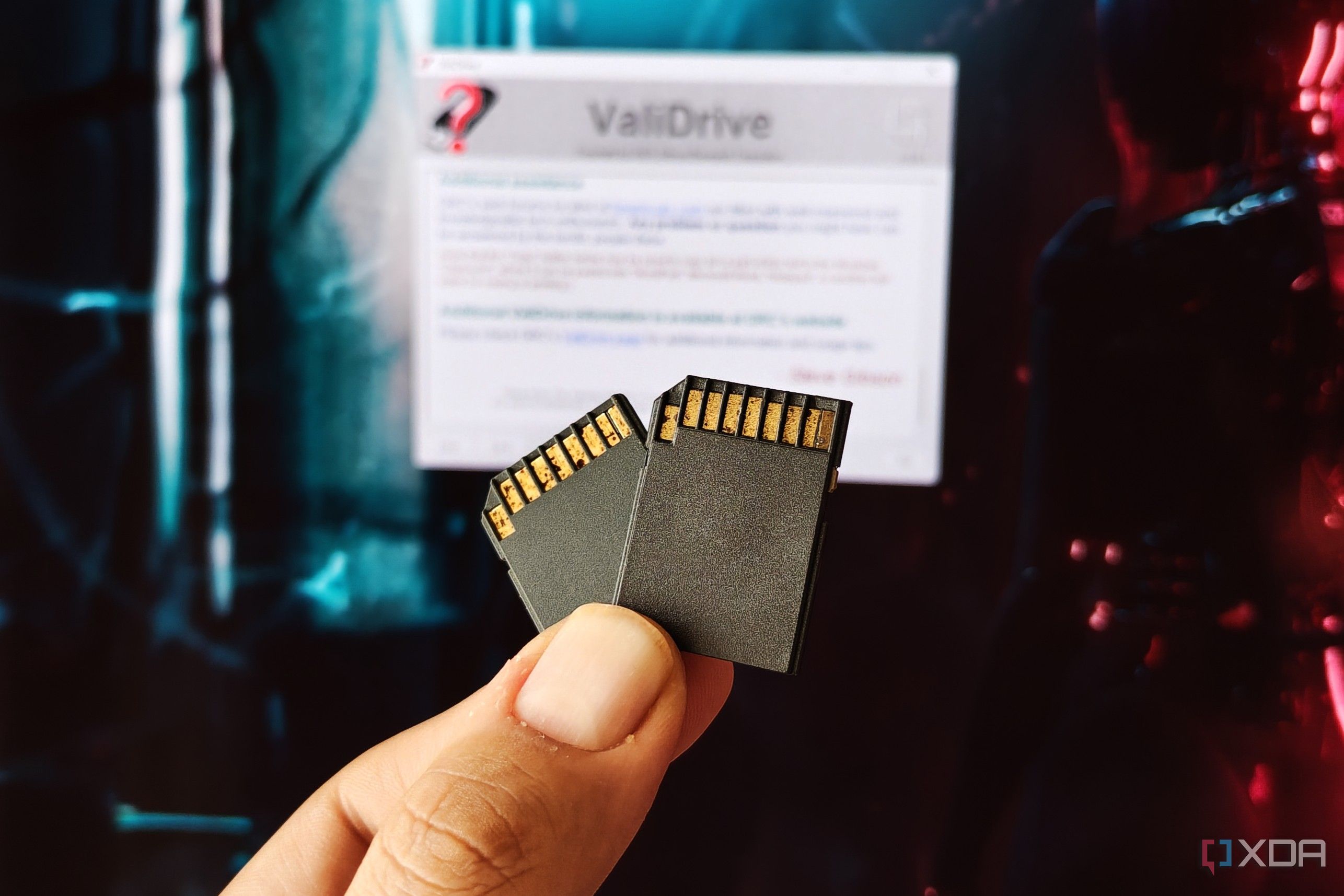
Memory cards have been a staple of portable technology for over two decades, with sales surpassing 12 billion units in the past quarter century. From SD to microSD and CFexpress, these tiny storage devices power a wide range of devices, from smartphones to drones and digital cameras. However, the market has seen a rise in counterfeit memory cards, which can deceive consumers by matching the design and packaging of authentic products.
These fake cards often have reduced storage capacity and slower read/write speeds than advertised. To avoid purchasing a fake, it is important to conduct a few simple tests. CrystalDiskMark is a benchmarking tool that measures the actual read/write speeds of a memory card. If the results are significantly lower than the card's advertised performance, it is likely a fake.
ValiDrive is a free utility that checks the memory card's capacity by writing data to random sectors, making it effective at detecting spoofed capacities. For a more thorough inspection, h2testw reads and writes every sector of the card, ensuring that it is not a counterfeit. While these tools are most effective after purchase, there are also precautions to take before buying a memory card.
Be wary of deals that list memory cards at drastically reduced prices, as these are often too good to be true. In physical stores, carefully inspect the packaging for spelling errors, incorrect colors, and poorly printed serial numbers, as these can be indicators of a counterfeit. Additionally, avoid purchasing from unknown brands or third-party sellers, and always buy from reputable sources.
By staying informed and vigilant, consumers can minimize the risk of falling victim to counterfeit memory cards.
Written by urgent.news from XDA Developers's reporting — not their text. Machine-written — may contain errors; check the original before relying on it.