Extra boarding time helps flights leave on time
A new study shows Delta’s five-minute boarding tweak boosted on-time departures by 32%.
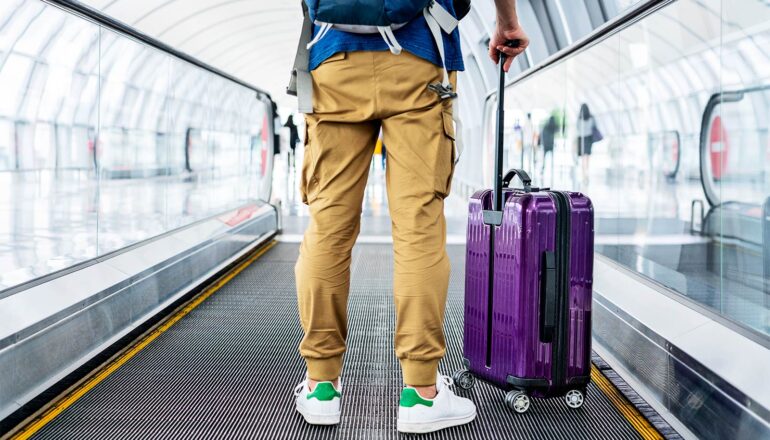
When Delta Air Lines extended the scheduled boarding time for domestic narrow-body flights from 35 minutes to 40 minutes, the change measurably reduced flight delays, according to new research. This policy adjustment came on June 2, 2022, and marked the first time a US airline paid flight attendants for boarding at half their regular hourly rate.
The study, published in Production and Operations Management, revealed that the extra boarding time helped flights leave about 1.5 minutes sooner, with the likelihood of leaving on time increasing by nearly one-third. However, the researchers found no empirical evidence that the increased pay for flight attendants directly reduced departure delays.
Study coauthor Milind Sohoni, chair and professor of operations management and strategy at the University at Buffalo School of Management, explained that flight attendants already have strong incentives to depart on time, including point-based reliability policies and on-time bonuses. Thus, increasing their pay for boarding may not significantly speed up the process.
To assess the impact of these policy changes, the researchers used statistical methods to compare Delta's narrow-body flights, which received both modifications, with its wide-body flights that only experienced the pay change. They also compared Delta's performance with American and United Airlines using federal on-time data from April to July 2022, encompassing roughly 622,000 flights.
The findings indicate that the extra five minutes for boarding works because it directly affects the last step before a plane leaves the gate. Any delays in boarding are immediately reflected in departure times. The benefit was most significant for flights departing later in the day, on busier routes, and for longer flights. For instance, the reduction in departure delays varied from about 0.8 minutes for morning flights to approximately 2.4 minutes for night flights.
On the busiest 10% of routes, delays decreased by about 2.1 minutes, compared to 1.5 minutes on less congested routes.
While the pay policy change for flight attendants did not show a detectable effect on delays, the authors emphasized that it still holds value for crew morale, retention, and fair compensation. Federal estimates suggest that delays cost airlines, passengers, and the economy a combined $33 billion annually. Delta's boarding change alone saves the company about $11 million per month in operating costs, along with an additional $12.5 million a month in passengers' time.
The cost of paying flight attendants for boarding is roughly $5.4 million a month, making the two policies financially advantageous for the airline.
Written by urgent.news from Futurity's reporting — not their text. Machine-written — may contain errors; check the original before relying on it.