Emerging reform agenda in the energy sector is promising, but Ghanaians don't just need another catalogue of attractive energy policies - IMANI
Ghanaians need reliable electricity, a financially sustainable sector, opportunities for local enterprise and public expenditure that produces visible results.
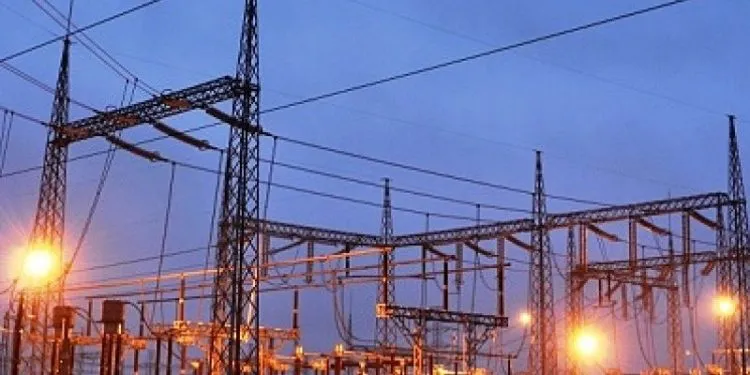
Ghana's energy sector has faced years of financial distress, mounting liabilities, distribution losses, expensive power contracts and infrastructure deficits. Repeated promises from successive administrations have fallen short of addressing these issues adequately, according to Kay Cojoe of IMANI Africa. The real challenge has always been the courage to confront these problems, he added.
A recent meeting with the Ministry of Energy and Green Transition revealed a promising reform agenda, led by the Ministry's Minister, Dr John Abdulai Jinapor and his team. The delegation discussed financial management, revenue declaration improvements, restructuring ECG through private-sector participation, addressing distribution losses, infrastructure renewal, and Ghana's green transition agenda.
Financial improvements include a significant reduction in ECG's after-tax losses from GH¢8.26 billion in 2024 to GH¢2.52 billion in 2025, as well as an increase in revenue declaration from about 40% to full declaration. The Ministry is considering a private-sector participation model for ECG's distribution operations, with performance-based contracts, Ghanaian equity participation and domestic pension capital opportunities.
This could encourage competition, improve collections, introduce modern technology, and create investment opportunities. Addressing distribution losses, ECG's system losses were reported at 27.05% in 2024, which, if confirmed, could lead to meaningful improvements through smart metering, remote monitoring, and reduced manual cash handling.
Infrastructure renewal is also a priority, with plans for approximately 1,500 transformer interventions and efforts to strengthen local engineering capacity. The Ministry acknowledged the threat of inadequate transmission investment within two years and urged early financing to address infrastructure weaknesses. In the green transition agenda, utility-scale battery storage, increased rooftop solar adoption, and solar street lighting are planned.
Correcting administrative obstacles to solar component imports is crucial for renewable-energy entrepreneurship. The Ministry's renewed emphasis on procurement discipline is a positive step towards financial discipline.
Written by urgent.news from 3News's reporting — not their text. Machine-written — may contain errors; check the original before relying on it.