Deepavali pollution spike: how does it affect lung function and respiratory health? | Explainer
Firecracker smoke releases fine particles and harmful gases that irritate the airways and affect lung health. Experts explain the short- and long-term effects of exposure and whether the damage persists after air quality improves
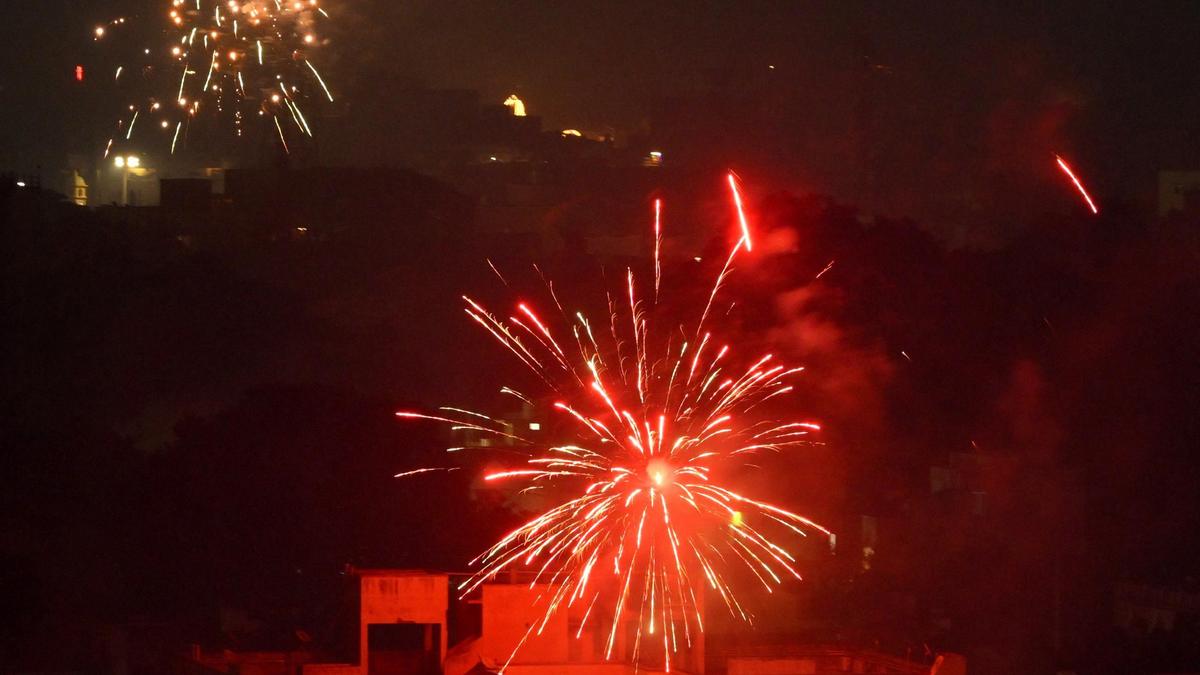
Deepavali, the festival of lights, brings joy to many but also poses a risk to respiratory health due to pollution caused by firecrackers. Exposure to the smoke generated from these crackers can trigger symptoms like coughing, wheezing, and breathlessness, especially in individuals with asthma or other pre-existing respiratory conditions.
However, the harmful effects extend beyond those with diagnosed respiratory issues; anyone can experience irritation of their airways when exposed to high levels of particulate matter and gases present in the smoke.
The Air Quality Index (AQI) is a measure used to quantify the pollution levels in the air, converting the concentrations of various pollutants into a single numerical value. India’s Central Pollution Control Board (CPCB) calculates the AQI using eight pollutants, including PM2.5 (fine particulate matter), PM10 (coarse particulate matter), nitrogen dioxide, sulphur dioxide, and carbon monoxide.
These pollutants, especially when present in high concentrations, can have adverse impacts on lung function and overall respiratory health. The smoke from firecrackers during Deepavali can elevate the AQI significantly, thereby increasing the risk of respiratory problems for all individuals, regardless of whether they have a history of breathing difficulties.
Written by urgent.news from The Hindu's reporting — not their text. Machine-written — may contain errors; check the original before relying on it.
This story
This is one outlet's version. Read the fullest account.