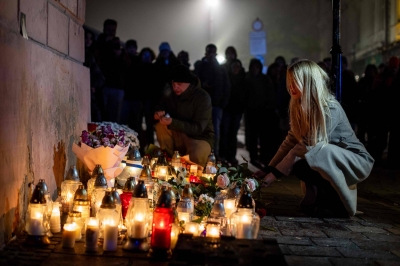
Could Dubai follow London's Oxford Street and go car-free?
Dubai: London's iconic Oxford Street went traffic-free in October , with nearly 1km of the busy shopping destination closed to vehicles in a move aimed at attracting more visitors, boosting investment and supporting local businesses. But could Dubai's shopping streets undergo a similar transformation? In a city where summer temperatures can reach 45°C and cars remain a preferred mode of…
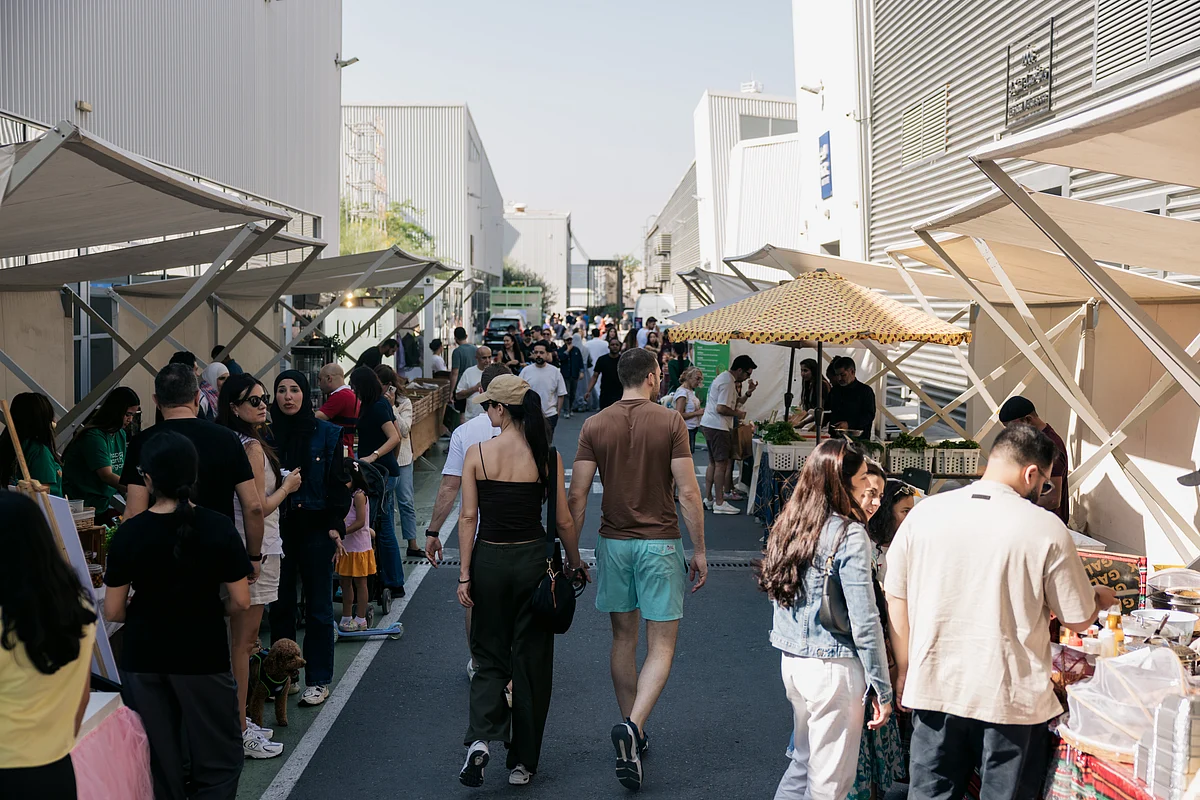
In October, London's Oxford Street closed to vehicles for the first time, aiming to draw more visitors, stimulate investment, and bolster local businesses. Could Dubai's shopping streets adopt a similar approach? While summer temperatures of up to 45°C and cars being the preferred mode of transport might seem to make pedestrian-only streets impractical, urban planning and architecture experts argue that such streets could work in Dubai.
The key, they say, is creating shaded, accessible, and well-connected spaces that make walking an attractive alternative. Dr Simona Azzali, an Associate Professor at Canadian University Dubai, explains that pedestrianisation must be part of a broader urban strategy involving public transport, accessibility, parking management, commercial activities, and residents' needs.
While Dubai faces climatic challenges, these should inspire a different understanding of outdoor comfort tailored to the region's environmental conditions, cultural practices, and daily routines. The city is already moving towards more walkable neighborhoods, with public transport usage peaking at 802.1 million riders in 2025. The Dubai 2040 Urban Master Plan includes initiatives like Super Blocks to create car-free areas, starting with certain neighborhoods.
Traditional Dubai shopping districts like the Gold and Spice Souqs have been pedestrian-centric for years. Dr Azzali highlights that the region's urban design already incorporates walkability principles. She emphasizes that the focus should be on creating small, accessible routes connecting homes, shops, public spaces, and transport, rather than large, isolated pedestrian zones.
Traditional souqs demonstrate how narrow lanes, shaded passages, and courtyards can moderate heat, support social interaction, and create comfortable, inclusive public spaces. Dr Azzali suggests that Dubai should develop a locally responsive model of walkability, prioritizing passive design strategies like shading, appropriate street orientation, and climate-adapted vegetation.
While year-round car-free streets might be challenging, temporary closures during cooler months could serve as a practical starting point for testing pedestrianisation in Dubai.
Written by urgent.news from Gulf News's reporting — not their text. Machine-written — may contain errors; check the original before relying on it.