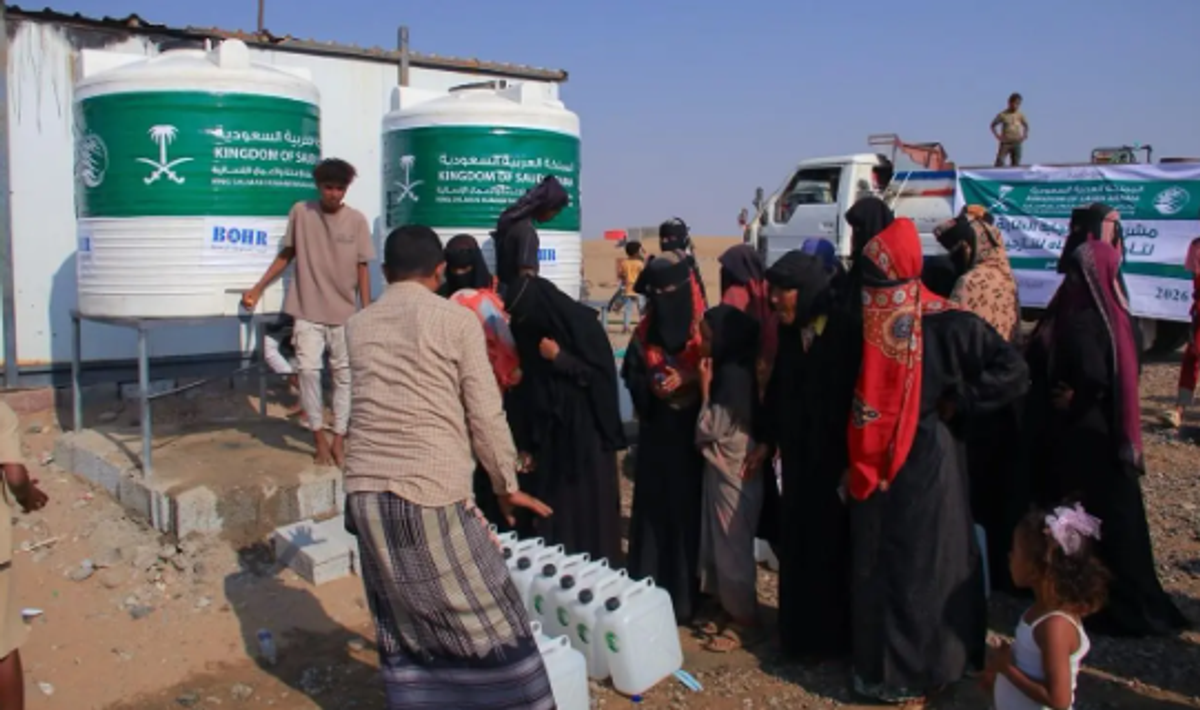
Cop31 in Turkey must bring water to the centre of climate action
For three decades, the international response to climate change has focused on reducing greenhouse gas emissions. The energy transition has become central to this effort, shaping national policies, mobilising investment and driving innovation. Now, as the world confronts the consequences of climate change already under way, we must give water the same prominence in our approach to adaptation.…
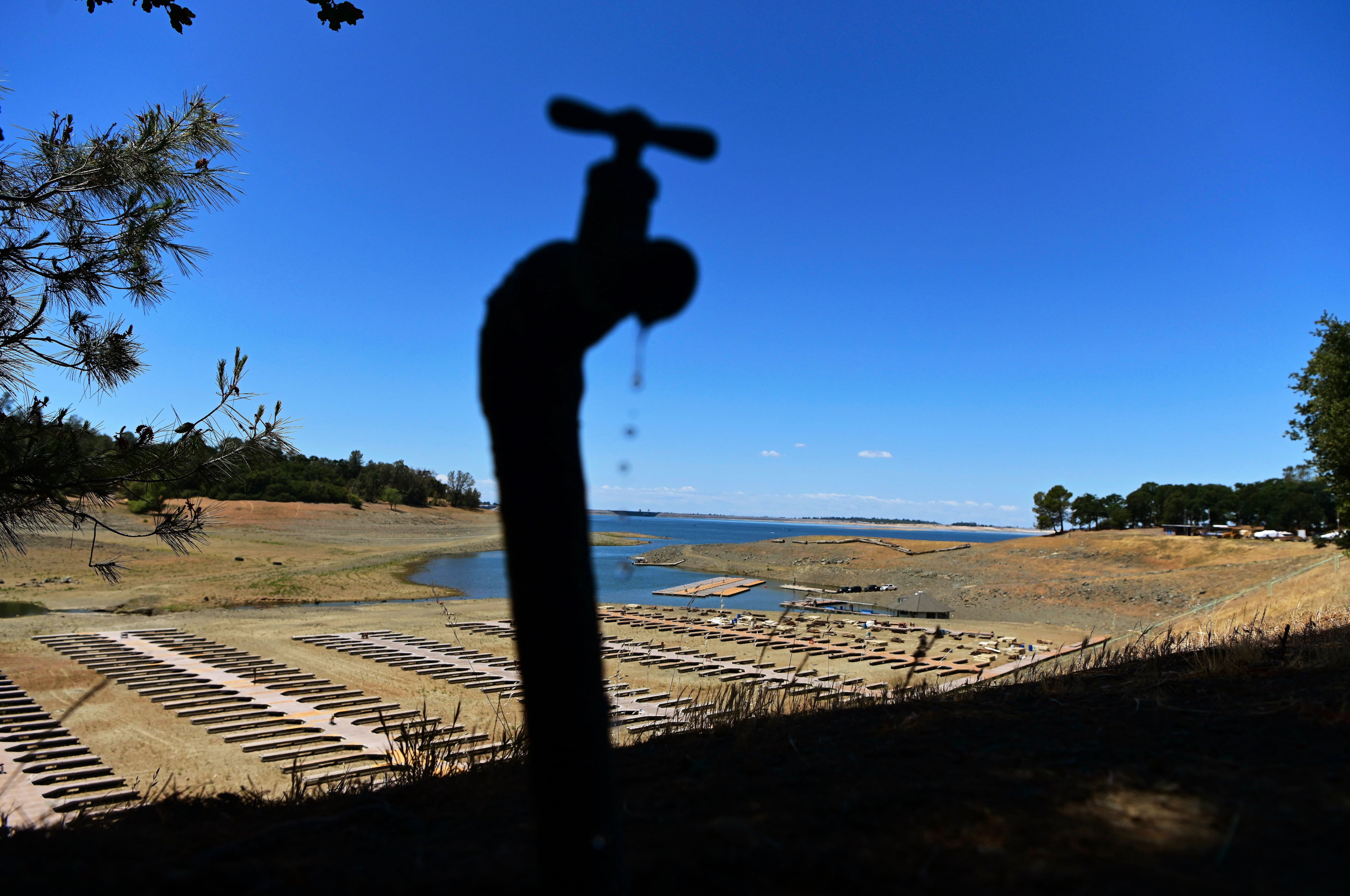
The international response to climate change has traditionally focused on curbing greenhouse gas emissions, shaping policies, attracting investment, and fostering innovation. However, as the world grapples with the impacts of climate change, it is crucial to elevate the importance of water in adaptation efforts. Water is the most tangible manifestation of climate change, affecting people's lives through droughts, floods, and erratic rainfall.
It directly impacts food security, livelihoods, public health, and economic stability. Despite water being a central concern in most countries' climate plans, investment remains inadequate, fragmented, and poorly coordinated. A financing gap of $131 billion to $141 billion per year exists to ensure universal access to safe drinking water and sanitation.
This is a stark reminder that commitment alone is insufficient without the necessary resources. Leaders must bridge the gap between commitments and allocated resources. Water infrastructure, sanitation, and resilient water management are vital components of national adaptation strategies. These should receive sustained investment, clear accountability, and political leadership to translate plans into tangible benefits for people.
The Madrid Compact, endorsed by 30 governments, and the Heads of State Initiative, supported by Sanitation and Water for All, showcase leadership and policy integration. These models should be implemented more widely. Furthermore, water connects the three Rio Conventions, addressing climate change, biodiversity loss, and land degradation.
However, their efforts do not always align, underestimating water's pivotal role in all three. Cop31 presents an opportunity to rectify this. Leaders must elevate water's status across the Rio Conventions, ensuring policies, programs, and investments are more aligned. This does not necessitate new institutions or added bureaucracy; it calls for better coordination within existing frameworks, recognizing water as a shared priority.
This commitment should extend to the UN Water Conference in Abu Dhabi, co-hosted by the UAE and Senegal. This conference offers a crucial platform to translate Cop31's political momentum into a unified global approach, with water at the forefront of the response to environmental challenges. Water must be recognized as essential for the security, prosperity, and well-being of people, matching their commitments with the required investment, and fostering collaboration across the Rio Conventions.
The decisions made at Cop31 and carried forward to Abu Dhabi can lay the groundwork for a more water-secure future. The determination to act is now needed.
Written by urgent.news from The National UAE's reporting — not their text. Machine-written — may contain errors; check the original before relying on it.
This story
This is one outlet's version. Read the fullest account.
- Cop31 in Turkey must bring water to the centre of climate action thenationalnews.com