Climate change leads to early cotton sowing in Sindh
LAHORE: In a significant shift driven by changing climatic patterns, cotton sowing has begun for the first time during the second week of November in several coastal areas of Sindh, marking a major departure from traditional agricultural practices. The unprecedented winter sowing comes as the country’s leading agricultural research institutions partner to address the challenges posed by climate…
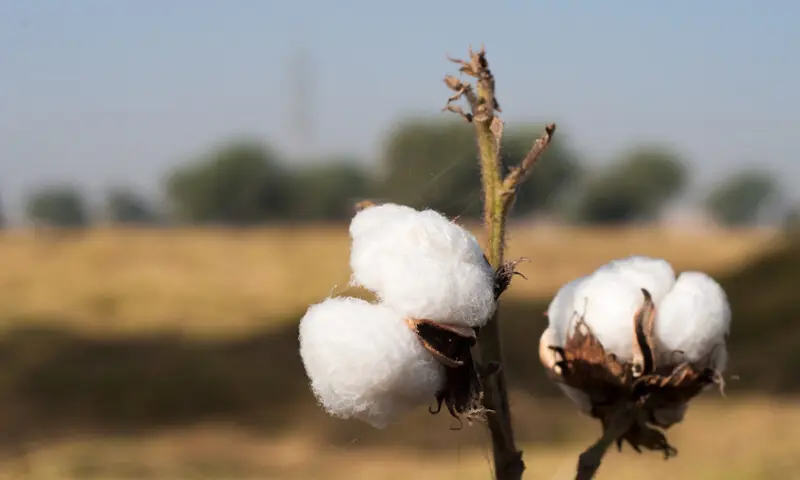
LAHORE: In a groundbreaking development influenced by shifting climate patterns, cotton planting commenced as early as mid-November in specific coastal regions of Sindh for the first time in history, signaling a marked departure from conventional farming methods. This remarkable seasonal alteration is the result of a collaborative effort between Pakistan's foremost agricultural research institutions, as they strive to tackle the adverse effects of climate change.
Historically, Pakistan has two distinct cotton-growing zones: the coastal districts of Sindh, where sowing traditionally commenced in February and March, and the remainder of the nation, where planting took place between May 1 and the first week of June. However, as temperature patterns evolved over time, the sowing season in coastal Sindh and certain Punjab districts has shifted to February, while other areas have seen it begin in April-May.
Yet, observations suggest a warming trend that has spurred farmers in coastal Thatta and Sujawal districts—including Chuhar Jamali, Mirpur Sakro, Gharo, Buhara, Keti Bunder, and Chhachh Jahan—to commence cotton cultivation. Farmers are employing fields that have been prepared following the rice harvest, while others are practicing intercropping by growing cotton alongside existing tomato crops.
Experts opine that if temperatures persist favorably throughout November and early December, an unprecedentedly expansive area could be brought under cotton cultivation in these districts, with sowing potentially extending until February and March. Should this trend continue, it could result in an early commencement of the cotton ginning season in selected Sindh regions as early as March.
Cotton Ginners Forum Chairman Ihsanul Haq commented on the situation, expressing concern that unseasonal temperature fluctuations in recent years have significantly disrupted Pakistan's agricultural cycles, leading to reduced yields per acre, compromised crop quality, and a decline in the national economy.
Written by urgent.news from Dawn - Pakistan's reporting — not their text. Machine-written — may contain errors; check the original before relying on it.
This story
This is one outlet's version. Read the fullest account.