Brazil’s Lula, worried about high interest rates, pledges budget discipline
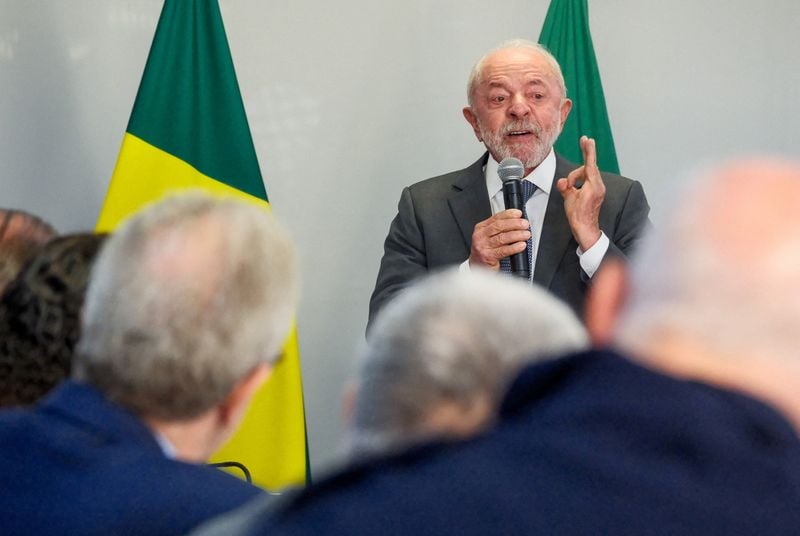
Brazil’s President Luiz Inacio Lula da Silva, who was reelected recently, has reiterated his dedication to fiscal responsibility and efforts to alleviate high interest rates, though he did not outline specific measures in his recent address. During a televised speech detailing his priorities for a fourth term, Lula affirmed his commitment to adhere to Brazil’s budget rules and said his administration would strive to establish conditions for reducing borrowing costs.
His remarks align with previous pledges made since his election, which led to a weakening of the real currency, an increase in long-term interest rates, and a decline in Brazil’s benchmark stock index. These concerns have been exacerbated by campaign promises that would necessitate extra government spending, prompting questions about how the administration can fulfill those commitments alongside its goal of achieving a rising primary surplus.
Additionally, the administration's lack of a named finance minister or other critical appointments has further unsettled markets. The leftist leader highlighted his concern over the trajectory of public debt and high interest rates, vowing to uphold fiscal responsibility while fostering sustainable social policies and investment expansion.
Lula's administration has pledged to meet primary budget targets while restricting real spending growth to 70% of any revenue increase, with an additional cap of 2.5% annual expenditure growth above inflation, with a minimum of 0.6%. He emphasized boosting investment as a core objective, aiming to increase it to over 20% of the country's gross domestic product in collaboration with the private sector.
To achieve this, Lula stated that his government will work to create an environment for reducing interest rates. The current president won a fourth non-consecutive term on October 25, defeating his right-wing rival Flavio Bolsonaro in a surprise runoff victory. During Lula's current term, gross public debt has surged by more than 10 percentage points, reaching 82.9% of GDP.
In response to a deteriorating inflation situation, the central bank recently ceased its rate-cutting cycle and maintained borrowing costs at 13.75%, prolonging pressure on households already weighed down by record debt levels equivalent to 50.1% of income. Economists now predict that interest rates will remain elevated for a longer period and have also revised downward their economic growth forecasts for the following year.
Written by urgent.news from Investing.com's reporting — not their text. Machine-written — may contain errors; check the original before relying on it.