Börsen: Nach KI-Ausverkauf: Börsen stabilisieren sich
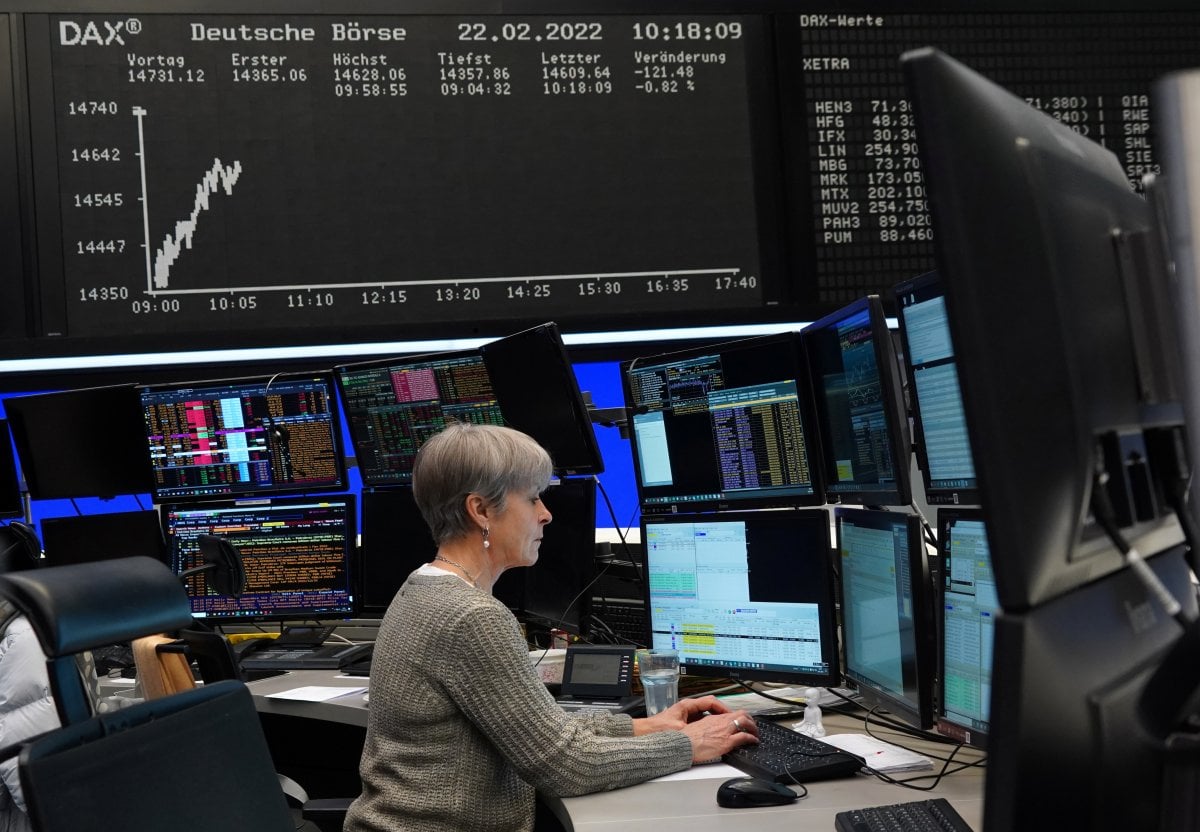
Nach dem heftigen Kurseinbruch an der Wall Street sind die Märkte in Ostasien positiv in die Handelswoche gestartet. Auch der Dax erholt sich nach einem zögerlichen Start.
After sharp declines in the previous week, the stock markets have somewhat stabilized in East Asia and the DAX. The German benchmark index opened cautiously but ended the first trading hour with a 0.6 percent gain at 25,970 points. Following a record high at the end of the previous week, the so-called "blue tsunami" also hit the DAX - a sell-off in US AI stocks following the Democratic victory in the Senate and Congress midterms.
"Thanks to its low tech ratio, the DAX has so far come through this difficult phase comparatively well," said portfolio manager Thomas Altmann of QC Partners. The software group SAP had recovered since July from a "AI casualty" slump. The share had reached its yearly high on Thursday. On Monday, the papers gained 2.3 percent from a recommendation from the US bank JPMorgan.
Their losses from Friday even made up for the stocks, but they remained below their yearly high at 215.50 euros. AI has moved from the pilot phase into productive use in companies, wrote analyst Toby Ogg. It is making inroads into central systems - such as the SAP software. At the same time, the company's own AI offering is advancing.
Mild recovery also on Asian stock markets After the spectacular sell-off of AI sector stocks in the previous week, Asian stock markets showed some recovery. Japan's Nikkei 225 index was up over 3 percent at the start of the week, while South Korea's Kospi was up 1.2 percent at the same time (11:00 local time). The memory chip producers Samsung Electronics and SK Hynix also started positively with gains of 2.6 percent and 3.7 percent, respectively, in the trade week.
The Hang Seng Index on the Shanghai Stock Exchange, which opened an hour later, rose by around 0.7 percent, while the CSI-300 index with the largest values on mainland China's exchanges rose by just under 0.5 percent. The extraordinary sell-off of AI stocks on Wall Street also hit Asian markets strongly. Concerns about the future development of AI business due to the Democratic Party's victory in the US midterms were behind it.
Investors were no longer only worried about whether billion-dollar investments in AI would be worthwhile in the short term, but also feared a political braking of the expansion. On Thursday alone, companies in the broad US index S&P 500 collectively lost nearly three billion US dollars (2.7 billion euros) in stock value. The fear of rising oil prices due to the still heavily restricted shipping traffic around the Strait of Hormuz also dampened investor sentiment.
Written by urgent.news from Handelsblatt's reporting — not their text. Machine-written — may contain errors; check the original before relying on it.
This story
This is one outlet's version. Read the fullest account.