Authors Can Defend Against AI Allegations With ‘Paper Trail’ Tools. Is It Enough?
As the publishing industry wrestles with paranoia over the provenance of manuscripts, writers are caught in an impossible bind.
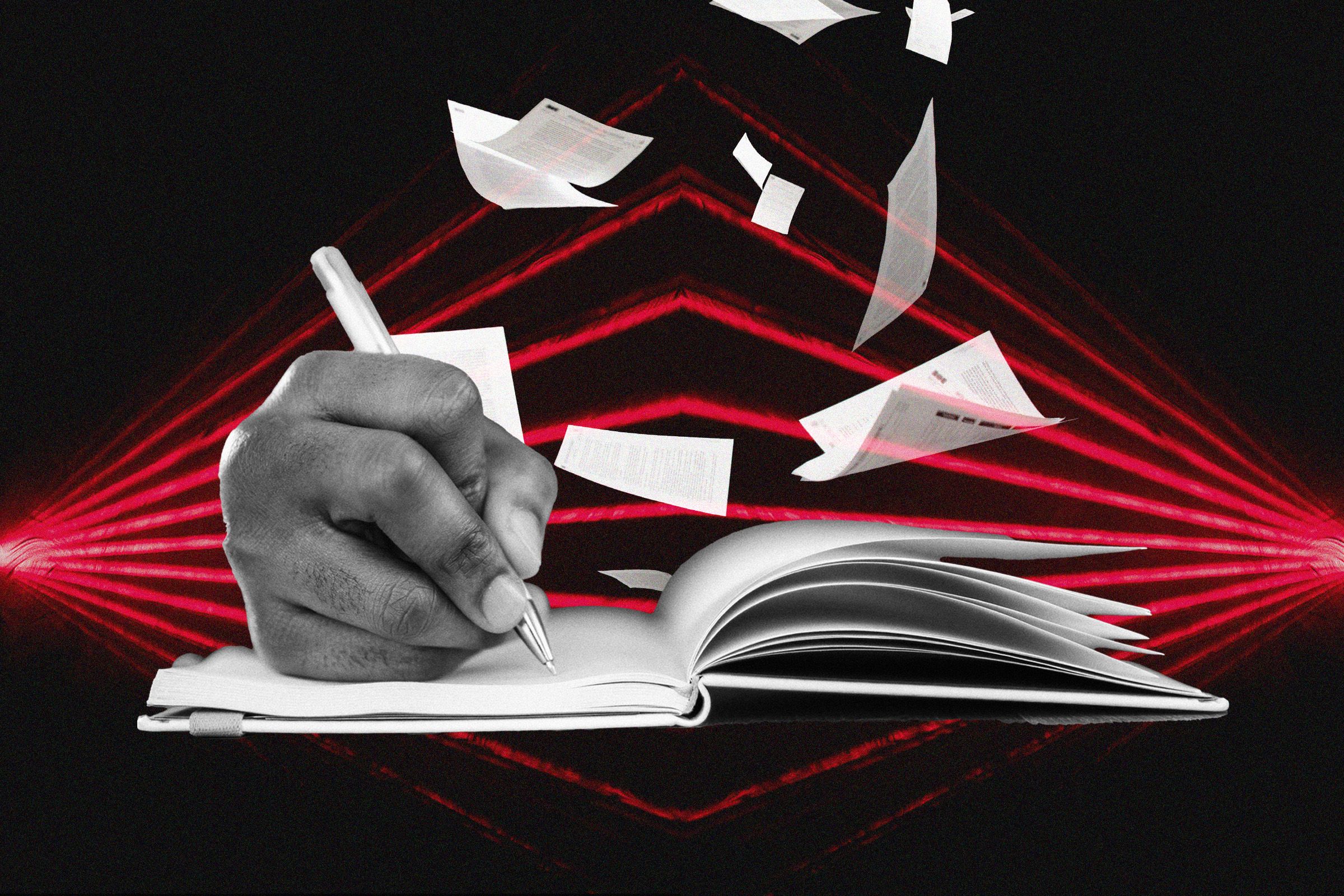
The emergence of AI in publishing has led to accusations against authors of using artificial intelligence for their work. In a recent case, a horror novel called Shy Girl was alleged to be largely AI-generated, leading to the cancellation of its US publication run by Hachette Book Group. The author, Mia Ballard, has denied these allegations, claiming an editor assisted with AI changes to a previously self-published version of the book.
Ballard is pursuing legal action. This incident has raised concerns about the potential for a "witch hunt" among authors, as accusations can have unintended consequences. Currently, there is no agreed-upon standard to prove human authorship, leaving authors with little recourse against such accusations. To address this issue, several new software tools have emerged, designed to track and document an author's writing process.
These tools aim to create a "paper trail" that can demonstrate authorship, even when AI is involved. Companies like Workings, Blindproof, Wintertext, Human Ink, and ObraVera offer various solutions, such as encrypting and fingerprinting written work, or typing rhythms with unique codes. However, the effectiveness of these tools is still being debated, as they are not perfect and can be fooled or produce false positives.
Moreover, the process of preserving writing trails may be an unnecessary burden for authors who believe AI use is infrequent in publishing. While some editors claim they rarely see AI-generated submissions, others acknowledge that authors' pride in their work may make AI use less common than one might think. Nonetheless, concerns about the trust and stability of AI detection tools persist, as well as the potential for vulnerabilities and false positives.
Written by urgent.news from Wired's reporting — not their text. Machine-written — may contain errors; check the original before relying on it.