Asian stocks bounce as AI, Mideast jitters recede; dollar firm on Fed bets
HONG KONG: Asian markets and US equity futures had an upbeat start on Monday , edging into positive territory after a wild week when tech-heavy markets in Asia suffered some of their steepest falls in years over AI. MSCI’s broadest index of Asia-Pacific shares outside Japan rose 2% after sliding 4.6% last week. Japan’s Nikkei index added 3.5%, while Korean shares climbed 1.8%. Taiwan’s benchmark…
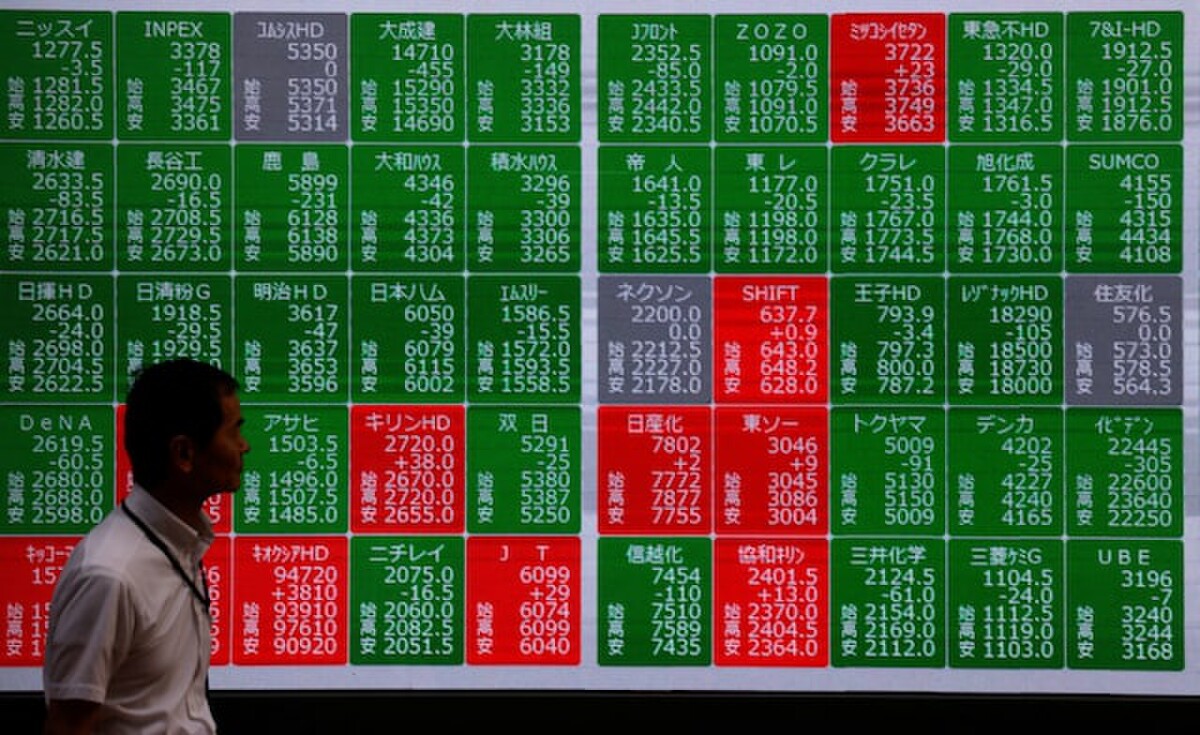
On Monday, Asian markets and US equity futures opened on a positive note, rebounding from a turbulent week in which tech-heavy Asian markets experienced their most significant declines in years due to concerns over AI. The MSCI’s broadest index of Asia-Pacific shares outside Japan increased by 2%, after falling 4.6% the previous week.
Japan’s Nikkei index climbed 3.5%, and Korean shares rose by 1.8%. Taiwan's benchmark index experienced its steepest weekly drop in two decades, climbing over 6% after a weekly decline, as fears about AI profitability and infrastructure demand triggered a sell-off following Democratic victories in the US midterm elections.
Monday saw US stock futures, the S&P 500 e-minis, rise by 0.6%. Following a chaotic week, Wall Street equities rallied to conclude the week, easing some investor concerns. Although global stocks had been under pressure in recent weeks, the AI trade's collapse with rising interest rates and the impact of the US midterm results had further weakened markets.
Analysts suggest that some investors might be buying during the dip, given a relatively light week with fewer data and events. Chris Weston, head of research at brokerage Pepperstone in Melbourne, stated, "The only fundamental this week that matters is price. You could easily see a lot of people going, 'You know what, now's the time to buy — blood on the streets. It’s not as bad as everyone thinks.'"
Earnings reports are expected this week from tech companies such as CoreWeave, Applied Materials, and Cisco Systems, which will test the profitability of AI ambitions amid the high costs of expansion. Additionally, an internal investigation by Nvidia, an industry bellwether, into whether its CEO, Jensen Huang, was targeted by a foreign spying effort may also cause volatility, analysts say.
Nvidia shares fell around 3.5% in after-hours trading on the Blue Ocean alternative trading system, while perpetual futures declined by nearly 3%, according to Hyperliquid pricing.
Meanwhile, the US President, Donald Trump, indicated on Sunday that he was highly unlikely to order further attacks on Iran as long as talks to resolve the conflict continued. Brent crude prices fell to $98.2 per barrel after the US President's comments. In other economic news, China's factory-gate inflation accelerated to its fastest pace in over four years, while consumer inflation cooled in October, reflecting persistent cost pressures due to higher oil prices despite weak domestic demand.
Following a blowout jobs report on Friday, US employers added 165,000 jobs last month, significantly more than economists had expected. This information bolstered the case for the US Federal Reserve to increase interest rates in December. Markets were closely watching a US CPI reading due on Tuesday for additional insights into inflationary pressures.
Market expectations of a Fed rate increase at least 25 basis points at its December meeting rose to nearly 80% following the jobs report, according to the CME FedWatch Tool. Comments from officials supported the expectation of a rate hike, with New York Fed President John Williams stating that US economic growth remained remarkably resilient despite successive shocks, but inflation was too high, and it was essential to bring it back to the 2% target.
The dollar index, which tracks the greenback against a basket of currencies of other major trading partners, notched its biggest single-day gain in five months, trading at 102.2. The European single currency was stable at $1.1148, while the yen strengthened by 0.2% to 158.215 per dollar. In the cryptocurrency market, Bitcoin gained more than 1% to $74,934, while Ether remained steady at $2,140 as investors fretted about potential tougher regulation on digital assets from a Democratic-controlled US Congress.
Written by urgent.news from Business Recorder's reporting — not their text. Machine-written — may contain errors; check the original before relying on it.
Also reported by 4 other outlets
- Asian stocks steady as AI, Middle East jitters recede channelnewsasia.com
- Asian stocks steady as AI, Middle East jitters recede freemalaysiatoday.com
- Asian stocks steady as AI, Mideast jitters recede; dollar firm on Fed bets straitstimes.com
- Asian stocks steady as AI, Mideast jitters recede; dollar firm on Fed bets investing.com