ANC’s electoral decline exposes deepening crisis of leadership and accountability
Dr Iqbal Survé argues that the ANC’s declining electoral support reflects years of internal division, poor governance and a failure to retain public trust.
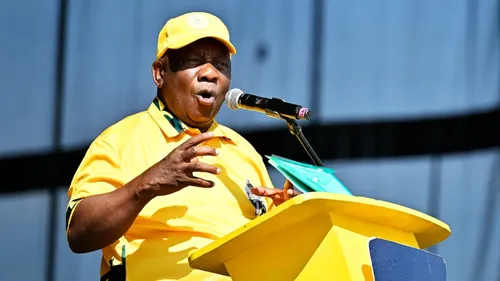
The African National Congress (ANC), once the leading force in South Africa's liberation struggle, is now grappling with a crisis of leadership and accountability, as revealed by its declining electoral support. Established in 1912, the ANC's influence has waned, with its support plummeting from 62.15% in 2014 to 31% in the latest local government elections. This decline extends beyond just electoral setbacks; it signifies a profound rejection of a governing movement that has seemingly forgotten its constituents.
The decline is attributed to years of perceived political arrogance, poor leadership, and a disconnection from the people the ANC was meant to serve. Since Cyril Ramaphosa's presidency began in 2018, the ANC's trust among South Africans has steadily eroded. The warning signs were apparent as early as 2019, became glaring in 2024, and have now reached a critical point in the 2026 local government elections.
Allegations of financial influence dating back to the December 2017 elective conference have fueled internal discord. The ANC's traditional democratic processes, including policy conferences, National General Council (NGC) meetings, and branch-led decision-making, have lost their former prominence. The NGC, crucial for reviewing progress and holding leadership accountable, did not convene during Ramaphosa's first eight years in office.
The introduction of the "step-aside rule," which led to Ace Magashule's removal, further widened divisions among the ANC. Criticisms view this rule as selectively used against political opponents. The arrest of former President Jacob Zuma in 2021 added more fuel to the fire, causing further fragmentation within the organization.
The ANC's failure to address critical national issues like unemployment, poverty, crime, corruption, and poor service delivery has exacerbated public discontent. Instead of focusing on economic growth, job creation, affordable fuel, public safety, and infrastructure maintenance, the ANC leadership became consumed by internal political battles and factionalism.
The consequences of these failures are evident in South Africa's economic and social realities. Unemployment remains a national emergency, crime continues to devastate communities, and public confidence in law enforcement has been severely undermined. Hospitals and clinics face infrastructure and resource challenges, while municipalities struggle to provide basic services.
The voters' discontent is clear from their electoral choices. In 2024, the ANC lost its parliamentary majority for the first time since 1994, leading to a Government of National Unity. The subsequent drop in local government support further highlights the extent of the ANC's weakening political influence. This is South Africa's people speaking, and they are no longer willing to offer unconditional loyalty based on the ANC's liberation history.
The ANC's past credentials can no longer compensate for poor governance, and political slogans cannot replace tangible improvements in healthcare, employment, safety, and service delivery.
Written by urgent.news from IOL's reporting — not their text. Machine-written — may contain errors; check the original before relying on it.