Analysis: We have not seen the full political fallout of the police scandal
The detention of former National Police chief Gen. Listyo Sigit Prabowo on allegations of illegal wiretapping has become one of the most consequential political scandals in recent Indonesian history. Yet the country has probably not seen its full fallout. If anything, the affair is only beginning to reveal how deeply police power penetrated the political system and how weak oversight and…
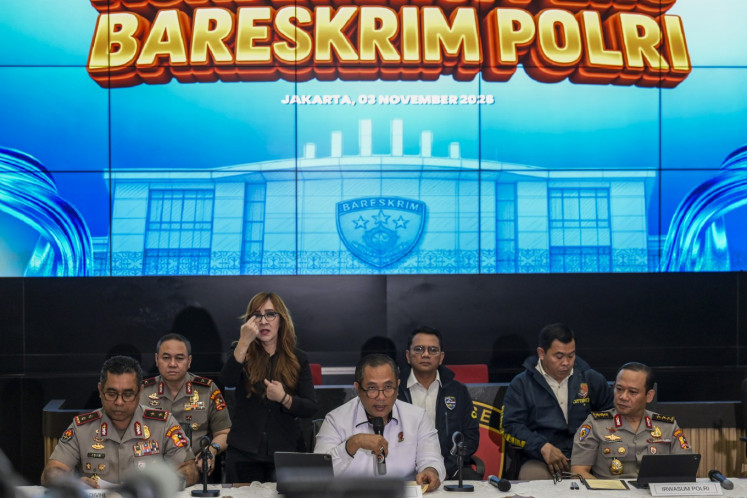
The detention of former National Police chief Gen. Listyo Sigit Prabowo on allegations of illegal wiretapping has sparked a major political scandal in Indonesia. However, according to investigators, the fallout from this affair is far from over. The case initially focused on unlawful surveillance conducted without authorization between January 2025 and October 2026, violating both the Criminal Code and the Electronic Information and Transactions (ITE) Law.
Three generals have been named as suspects, with prosecutors targeting President Prabowo Subianto, along with senior officials, politicians, journalists, activists and businesspeople. Maximum sentences for the charges amount to up to 10 years' imprisonment.
The scandal highlights the extensive power the police have amassed over the past decade, functioning with a level of autonomy and confidence uncharacteristic in a democracy. The affair became public only after Listyo's removal from his position and appointment as chief of staff, suggesting that without this reshuffle, the alleged activities might never have come to light. This raises questions about the level of knowledge senior political figures had about the surveillance and why it surfaced at this particular time.
Constitutionally, the police answer to the president, a relationship that has led to the National Police becoming one of the country's most powerful political actors. The organization has been increasingly relied upon for tasks beyond law enforcement, with active and retired officers moving into civilian positions across various government agencies, state-owned enterprises and regulatory bodies.
The line between policing and governance has blurred, with the police institution becoming a political stakeholder with its own interests.
If proven, the allegations will reveal not just individual misconduct but also systemic failure within the police force. The surveillance, if extended to the President, senior officials and other prominent figures, may have gathered both intelligence of national importance and deeply private, potentially damaging material. This could provide leverage over the political process, including the investigation itself, causing hesitation among authorities, politicians and alleged victims to push the case to its conclusion due to fears of leaks, selective release or blackmail.
The investigation may uncover a broader network of participants, beneficiaries, and enablers both within and possibly outside the institution, suggesting that the former police chief's leadership of the operation was not an isolated incident. The case underscores the corrosive effect of unchecked surveillance, which would have required a significant number of technicians, analysts, supervisors, and operational support to sustain for nearly two years.
Written by urgent.news from The Jakarta Post's reporting — not their text. Machine-written — may contain errors; check the original before relying on it.
This story
This is one outlet's version. Read the fullest account.
- Analysis: We have not seen the full political fallout of the police scandal thejakartapost.com