Analysis-New Zealand’s Luxon on course for second term, but weaker hand in coalition
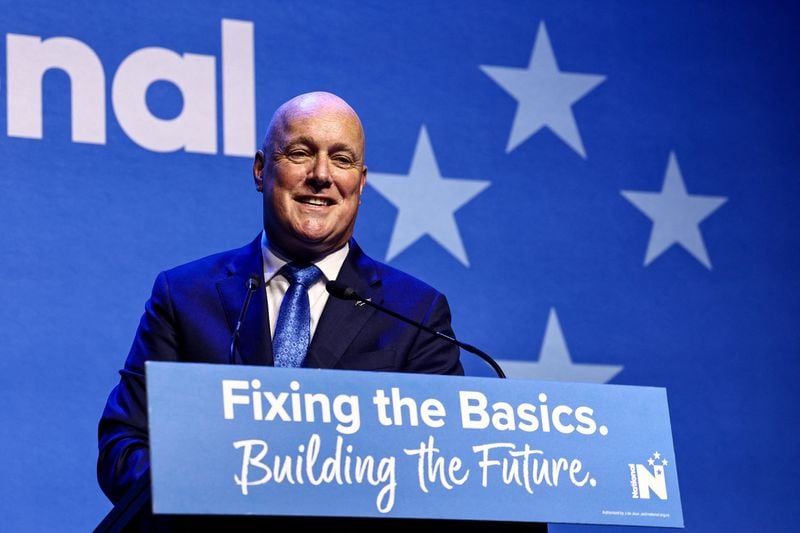
New Zealand's Prime Minister Christopher Luxon is set to retain power after securing a narrow majority in the country's recent election, according to preliminary data from the New Zealand Electoral Commission. However, Luxon's National Party may have to concede control of crucial government departments to his coalition partners.
The main opposition Labour Party and the center-right National Party both received less than 30% of the vote for the first time in history, resulting in a loss of votes to minor parties on the left, right, and center. This trend reflects a global shift away from traditional political establishments. Preliminary data suggests that Luxon's coalition could govern with just two seats, but this margin might change once the final count, including overseas and special votes, is completed on November 27.
As a result, Luxon may need the support of a fourth party, the centrist Opportunity Party, which appears poised to enter parliament for the first time. Analysts warn that the new government will struggle to introduce policies and will lack a robust mandate to rule. Luxon will also have to govern without key National Party moderates, such as Finance Minister Nicola Willis and Transport Minister Chris Bishop.
Instead, he might have to appoint key members from his coalition partners, who have been advocating for more conservative economic and social policies. The New Zealand First party seeks stricter controls on net migration and insists on taking charge of the country's immigration ministry in any new government. Meanwhile, David Seymour, leader of the libertarian ACT Party, has criticized National's retention of the finance ministry, stating that it is no longer tenable.
The poor performance of National and Labour parties echoes trends observed in elections across developed nations, where center-right and center-left governments have been losing ground to minor parties. In recent years, left-wing parties like the Greens in Britain and Reform UK have gained popularity, while right-wing parties such as One Nation in Australia and far-right parties in Europe have also been on the rise.
Opportunity Party leader Qiulae Wong emphasizes the need for political leaders to restore trust, suggesting that a coalition with Labour is unlikely due to her focus on tax policy and a universal basic income. Regardless of the final coalition composition, Luxon's position may be vulnerable, according to political commentator Gareth Hughes.
Written by urgent.news from Investing.com's reporting — not their text. Machine-written — may contain errors; check the original before relying on it.