Analysis-AI power rush sends data centres hunting for used turbines and jet engines
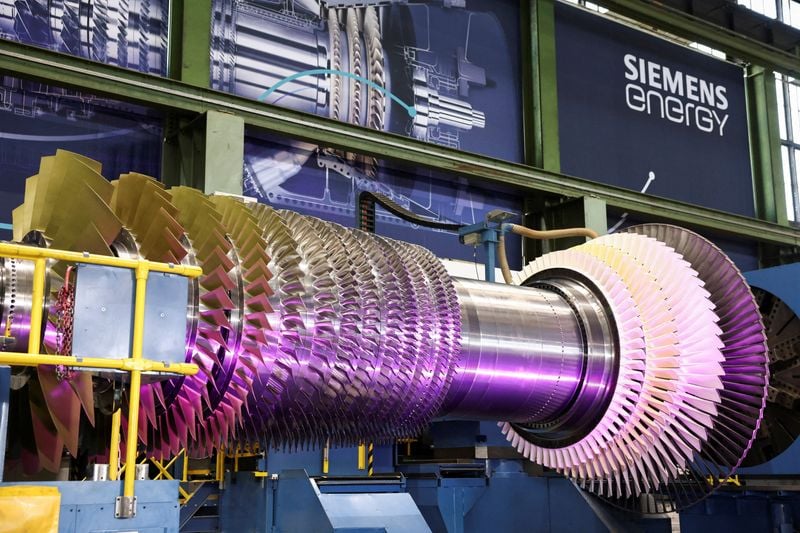
Utilities, developers, and firms are actively seeking second-hand power equipment, such as gas turbines, repurposed jet engines, and even older gas engines, to fuel their rapidly expanding AI data centres. The soaring demand for energy-intensive data centres has created a critical bottleneck in the supply of essential power infrastructure and equipment. As lead times for new equipment stretch into the next decade, companies are turning to the secondary market for turbines and jet engines to meet their energy needs.
Some companies are even converting retired jet engines into power generators, although there are concerns about their suitability for continuous work. While the secondary market for used turbines and jet engines is currently hot, it may only partially alleviate the power supply squeeze, due to limited excess supply. Delays in delivering turbines are not solely due to the secondary market, as factors such as air permits, grid access, and other challenges also contribute.
The AI boom has significantly impacted the turbine market, which was previously dominated by traditional utilities. Worldwide orders for gas turbines have topped 100 gigawatts (GW), far exceeding the estimated global production capacity of 60 GW to 70 GW. US data centres alone account for nearly 17 GW of demand this year, and this figure could triple by 2028. However, global gas turbine manufacturing capacity is expected to rise to around 87 GW in 2028, which is still short of the 129 GW in expected turbine power demand.
The appeal of the secondary market for used turbines and jet engines comes from the substantially lower costs, with refurbished units priced around $1.3 million per MW and well-maintained used units costing about $1.5 million to $1.7 million per MW. New turbines, however, cost about $2 million to $2.5 million per MW. Despite the challenges, developers are turning to small turbines and mixing models and brands when larger units are difficult to obtain.
Written by urgent.news from Investing.com's reporting — not their text. Machine-written — may contain errors; check the original before relying on it.