An Artificial CORTEX to Guide Satellite Rescue Missions
Thousands of so-called zombie satellites orbit Earth in the critical Low-Earth Orbit regime. They're either inactive or have stopped alerting other satellites to their presence. Researchers are building a system called CORTEX that can guide a repair satellite to autonomously dock with these zombies.
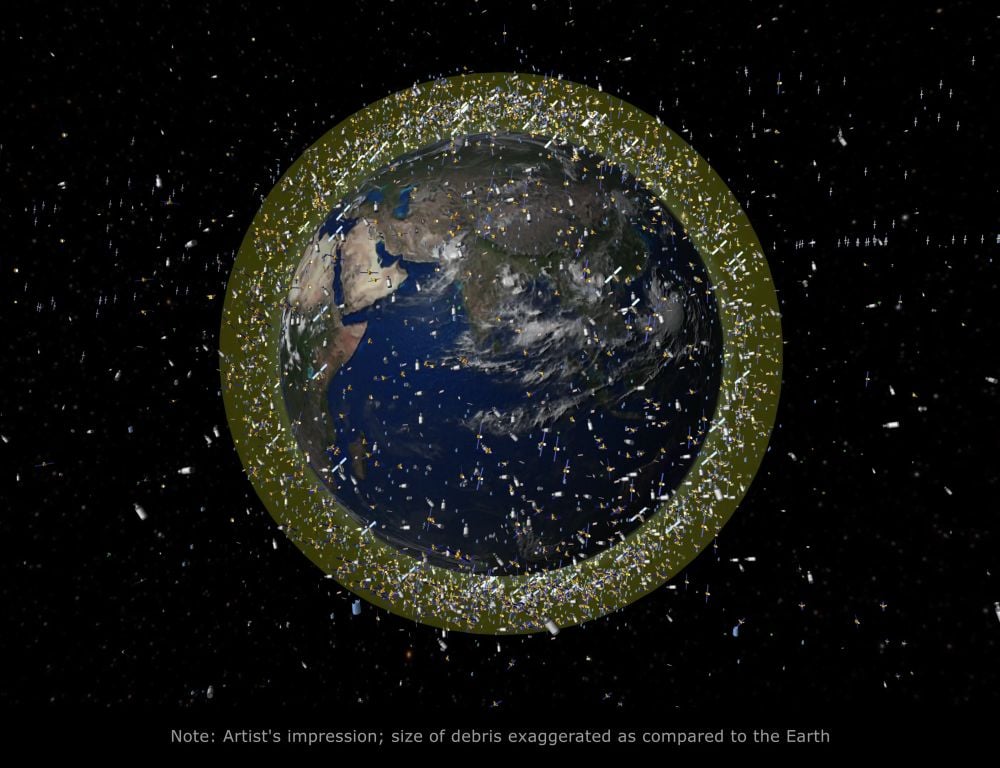
A new artificial "Cortex" is being developed to guide satellite rescue missions in orbit. The growing problem of satellites crowding each other is raising concerns among space experts. With over 20,000 satellites currently orbiting Earth, the Low-Earth Orbit (LEO) is starting to reach its limit due to a surge in satellite constellations and launches.
One of the main concerns is the increasing number of "zombie" satellites, which are either non-functional or not sending signals to other satellites, posing a risk of collision. In the worst-case scenario, a collision could trigger the Kessler syndrome, a cascade of collisions that worsens the problem. To address this issue, researchers at the University of Illinois Urbana-Champaign have developed CORTEX, an autonomous framework for close-range rendezvous trajectory design and guidance.
CORTEX, which stands for Convex Optimization for Rendezvous Trajectory EXecution, is an innovative solution to the growing problem of satellite collisions and proximity operations. The framework utilizes convex optimization to design and guide spacecraft approaches to targets with minimal fuel use while adhering to strict operational constraints and avoiding sensitive areas on the target satellite.
An important feature of CORTEX is its ability to account for sunlight windows and replanning versus aborting strategies. This means that if the thrusters fail or the spacecraft is pushed away from its nominal trajectory, CORTEX can autonomously reassess the situation and plan a new approach instead of aborting the mission. The algorithm is also robust to unexpected events, making it a reliable option for autonomous satellite rescue missions.
Written by urgent.news from Universe Today's reporting — not their text. Machine-written — may contain errors; check the original before relying on it.