AI rout brewing before Democrats won US mid-terms
Borrowing costs, depreciation, negative free cash flow and uncertain returns are the pressures analysts cite behind the AI rout.
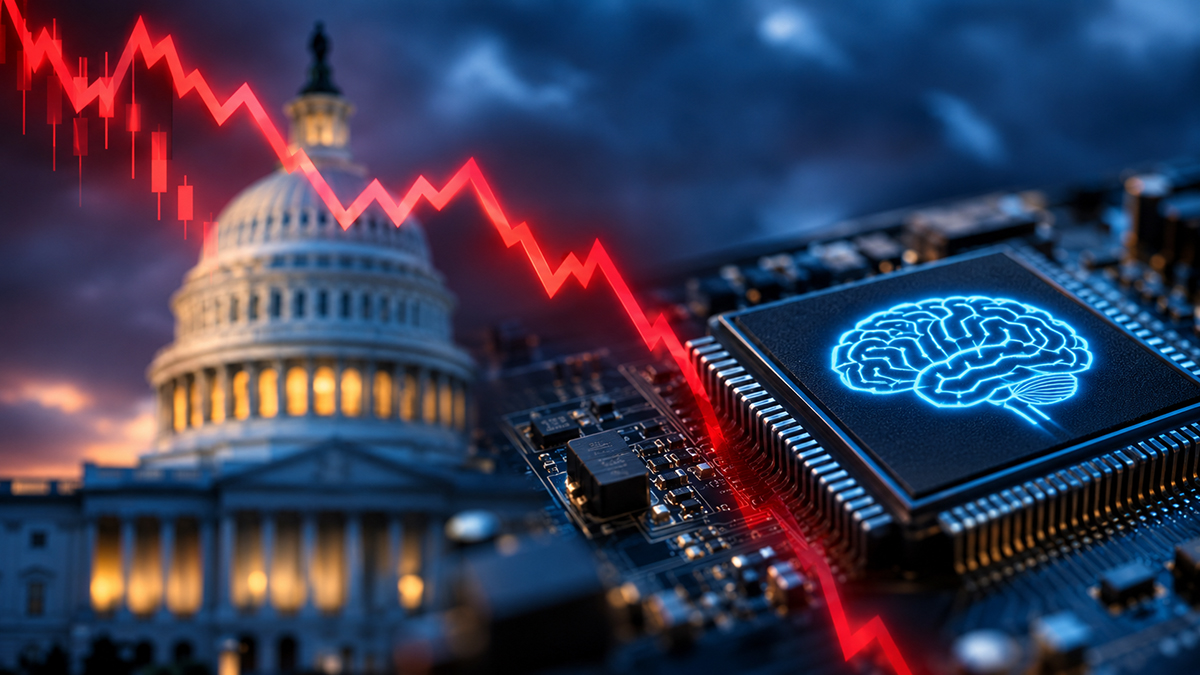
The artificial intelligence (AI) market experienced a downturn as the Democrats secured control of both chambers of the US Congress in the mid-term elections held on November 3rd. A recent NBC exit poll revealed that 56% of voters considered AI and data centres to be essential or major factors in their decision-making process. UBS analysts estimate that around 30% of anticipated US data centre capacity additions in 2028 might be at risk due to potential construction pauses.
The tech-focused Nasdaq index declined by 3.99% over the past five days, with the Semiconductor Index (SOX) dropping by 12.75% as of Friday's close. However, it later recovered by 4.21% on the last trading day of last week. Brian Levitt, a global market strategist and head of strategy at Invesco, has been warning investors about the enormous amount of capital being committed to AI infrastructure, especially as interest rates have increased throughout the year.
The mid-term elections exacerbated this situation by injecting political and regulatory uncertainty, accelerating a revaluation that was already underway. Semiconductor equities had already witnessed a 20% decline before the mid-term elections, while broad US equities had outperformed. Higher borrowing costs and the aggressive investment in AI capital spending, along with elevated earnings expectations and questions about monetisation, have raised the hurdle for further gains.
Investors are becoming less forgiving of challenges to the AI growth story. Tech giants like Microsoft, Amazon, Alphabet, and Meta, along with Oracle, are experiencing criticism over their depreciation, negative free cash flow, borrowing needs, and uncertain returns. The expansion is primarily driven by these major players, with Oracle gaining increasing importance.
Dr Robert Castellano, a high-tech industry analyst, asserts that the market is transitioning from valuing announced AI capacity to questioning its economic feasibility. While higher financing costs may undermine data centre economics, even with contracted demand, the financial troubles of operators do not necessarily indicate a weaker demand for semiconductor suppliers.
Investors fear that Democratic victories could slow data centre construction, particularly in states like Texas, Ohio, and Georgia. Higher borrowing costs naturally raise the hurdle for new projects, while semiconductor and memory companies have been investing aggressively to meet the expected demand for compute. Levitt, however, remains optimistic about the long-term potential of AI, asserting that despite the recent decline in AI stocks, the long-term demand for AI and compute remains strong.
Written by urgent.news from ITWeb's reporting — not their text. Machine-written — may contain errors; check the original before relying on it.