‘AI rebounding’: Nearly 20% of U.S. workers replaced by AI are being asked back—now they’re demanding higher pay, job security and AI transparency
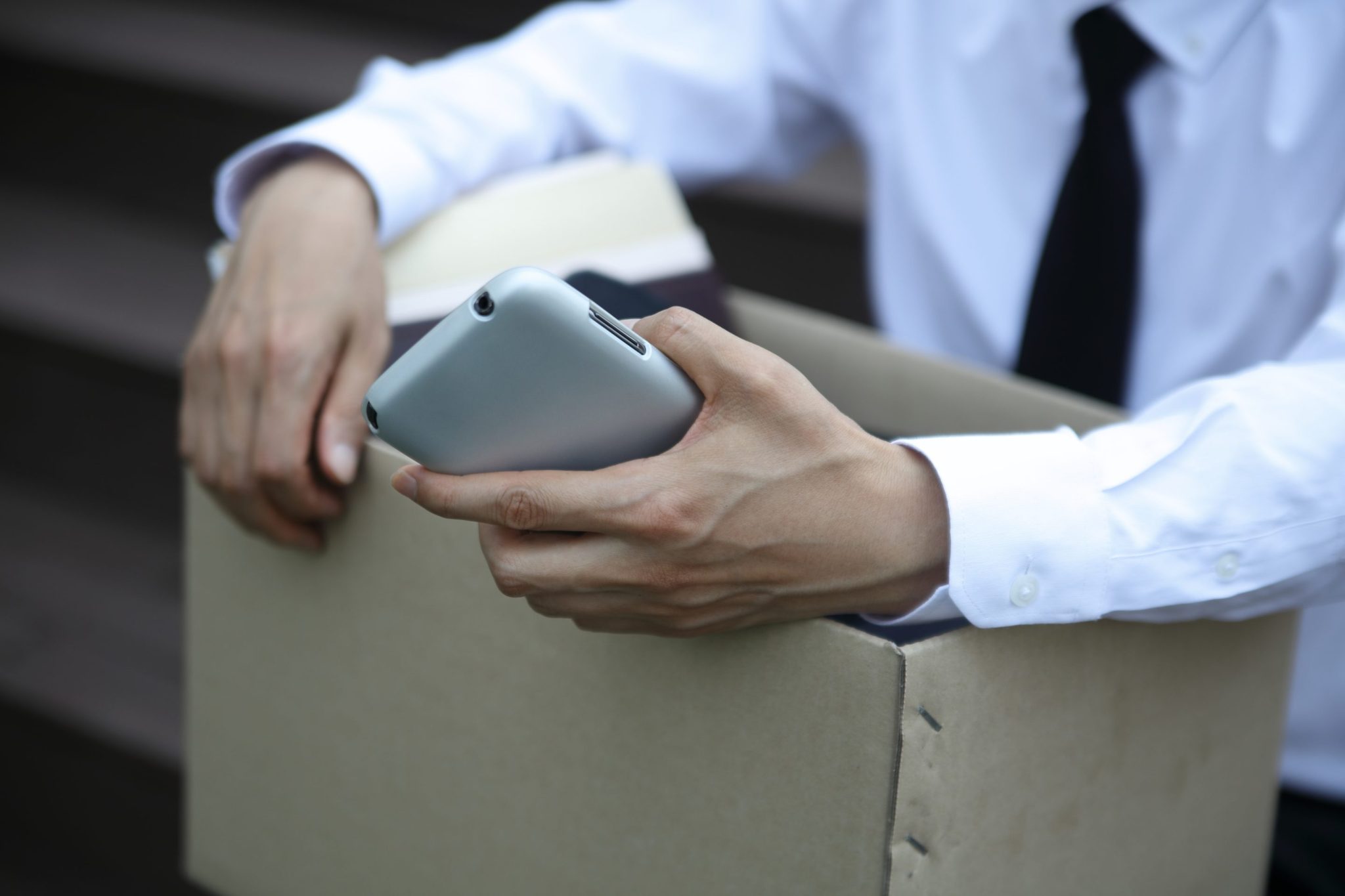
Nearly one-fifth of U.S. workers have experienced their jobs being replaced by AI, only for them to be asked back, according to new research from talent assessment firm SHL. The company, which calls this phenomenon "AI rebounding," says it indicates some organizations may be making hasty decisions based on an incomplete understanding of their employees' abilities.
Lucy Beaumont, SHL's global senior vice president of product and design, explained that companies often automate roles without fully assessing the human capabilities involved, leading to AI failures and subsequent rehiring. The SHL survey, conducted in June and July, revealed that 19.1% of American respondents were replaced by AI and later asked to return, while 16% in the U.K. reported the same.
Among those who returned, 51% demanded a significant pay increase, 42% sought written job security guarantees, and 40% wanted transparency about AI usage in their positions. Companies are realizing AI can't replace all roles; for instance, 32% of U.S. hiring managers who previously eliminated positions due to AI had to reinstate them later.
Klarna, the Swedish buy-now, pay-later company, admitted to hiring human customer service representatives after relying heavily on AI chatbots, as AI struggled with complex or sensitive cases. Ford also hired 350 experienced engineers after AI-powered quality control tools fell short. Despite the rise of AI rebounding, more companies are citing AI as a reason for workforce reductions, with Challenger, Gray & Christmas reporting 121,401 layoffs through October - more than double the 54,836 announced layoffs in 2025.
Younger workers are particularly vulnerable to AI-led job displacement, with a Stanford Digital Economy Lab study showing employment among 22-to-25-year-olds in AI-exposed occupations 19% lower than if growth had matched less-exposed peers. SHL's research shows promise for younger workers, however, as those aged 18 to 24 were more likely to experience AI rebounding, with 24% reporting they were replaced by AI and later asked to return.
Written by urgent.news from Fortune's reporting — not their text. Machine-written — may contain errors; check the original before relying on it.