AGRICULTURAL SECTOR OP-ED: From imports to exports — canola success offers SA a farming blueprint
South Africa’s canola industry has become a net exporter, showing how investment, processing capacity and demand can drive agricultural growth.
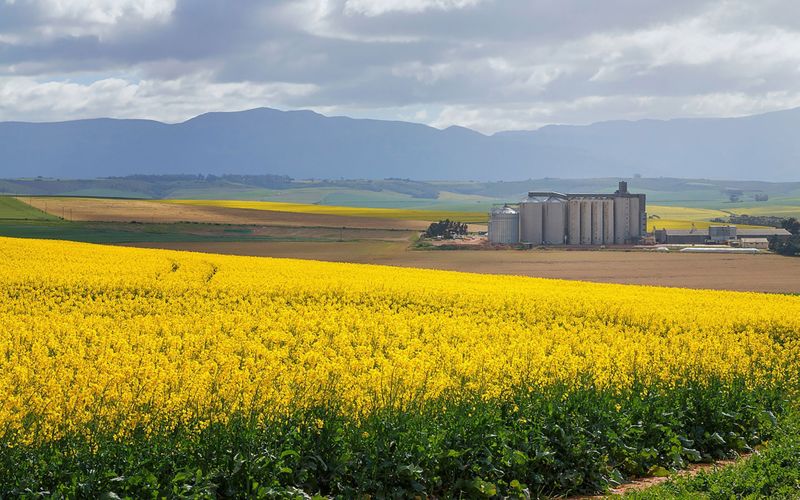
South Africa’s canola industry has transformed from an importer to a net exporter, showcasing how investment, processing capacity, and demand can propel agricultural growth. The nation’s progress in various agricultural commodities, such as fruits, nuts, and grains, stands as a testament to this transformation. Specifically, soybeans have seen significant growth, with South Africa producing around 3 million tonnes annually.
This shift from a net importer of soybean oilcake to a net exporter occurred between 2014 and 2020, driven by investments in crushing plants and a surge in plantings, reversing the industry’s trajectory.
A particularly noteworthy success story is the canola industry. Since commercial planting began on 17,000 hectares in 1998-99, the cultivated area has expanded to an estimated 197,890 hectares by 2026-27. Factors contributing to this growth include rising domestic demand for oils and oilcake, and certain areas switching from wheat to canola due to its profitability.
Canola, being a winter crop, primarily thrives in the Western Cape, a region known for its winter rainfall. This has resulted in a record harvest of 368,270 tonnes for the current year, a 20% increase compared to the previous year. Despite occasional unfavorable weather conditions, the canola crop has performed well, and the team is optimistic about the ample harvest.
The remarkable journey of canola highlights its status as one of South Africa’s agricultural success stories, similar to the soybean industry and various fruits. The goal is not only to witness increases in specific commodities but also to foster overall agricultural improvements across other sectors, including those in the former homelands and newly released lands totalling 2.5 million hectares.
While exact details of the land release are still being finalized, it is intended to support commercial agricultural production. Collaboration among commodity associations, agribusinesses, and relevant governmental departments is crucial to achieving this goal.
The existing Agriculture and Agro-processing Master Plan, which has broad support from agricultural stakeholders, serves as a guiding framework for these efforts. The key lies in consistent implementation, with leadership from the Department of Agriculture and the Department of Land Reform and Rural Development in overseeing land release and encouraging productive land utilization.
Looking ahead, expanding export markets into emerging regions, alongside maintaining existing ones in Africa, Europe, the UK, and the Americas, is essential. Other promising markets include the Middle East and Asia. This strategic approach will ensure that the success observed in canola is replicated across other crops, ultimately leading to shared prosperity across the country.
Written by urgent.news from Daily Maverick's reporting — not their text. Machine-written — may contain errors; check the original before relying on it.