Why your laptop fans spin up without any warning
Your laptop shouldn't sound like it's preparing for takeoff every time you sit down to work. Here's what might be causing those sudden fan blasts.
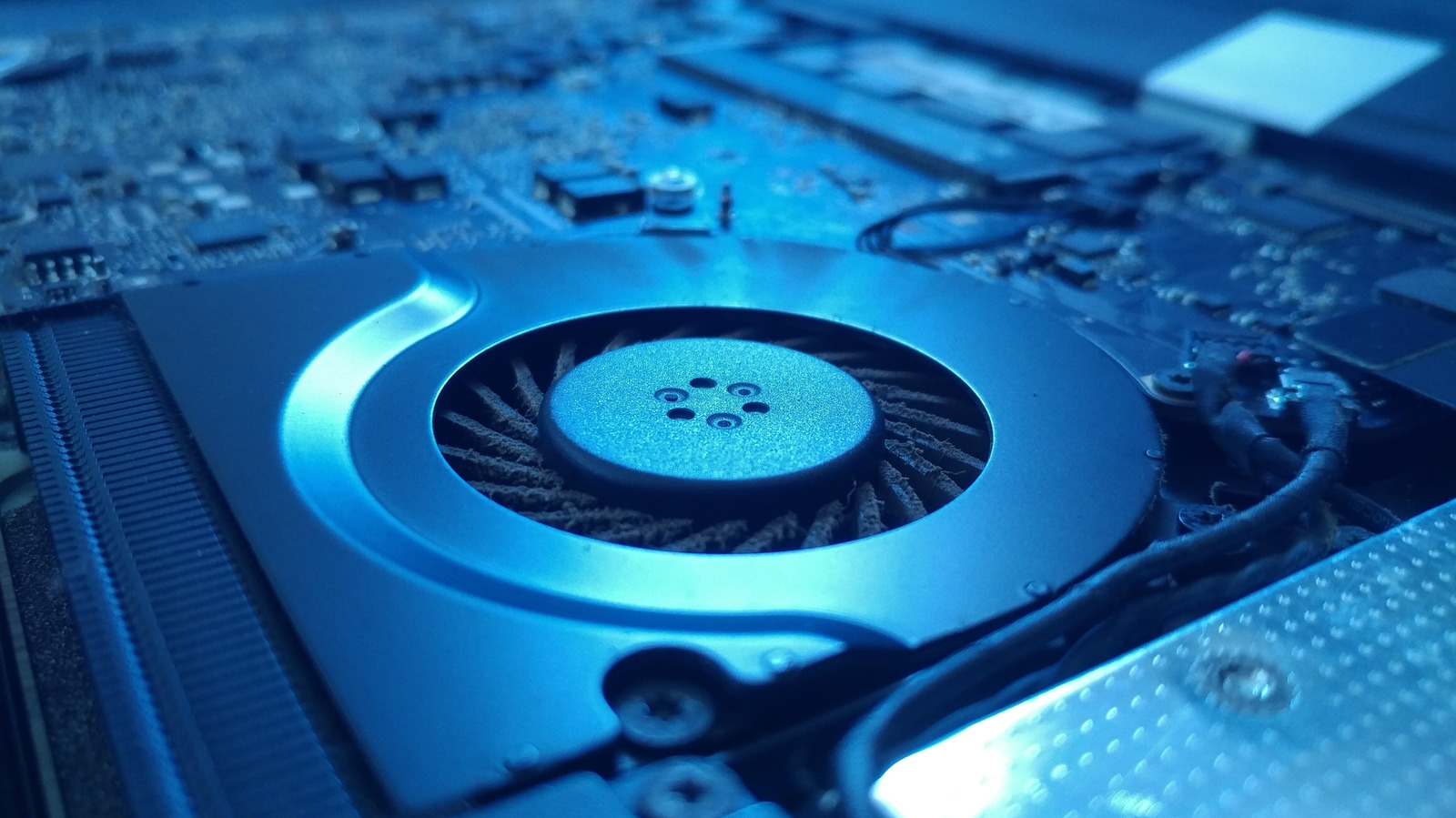
Your laptop fan suddenly roaring without warning can be startling. This noisy behavior may stem from several factors. Modern laptops are equipped with robust fans to handle high-powered components, but compact design sometimes leads to noisy operation. While some level of fan noise is typical, persistent or unusually loud bursts indicate your laptop is working harder than necessary.
To tackle this issue, start by ensuring your laptop is placed on a hard, flat surface like a table or desk. Using a soft surface may obstruct vents, hindering proper airflow. If loud fan noise persists, dust accumulation around fans or air vents could be the culprit. Cleaning these components is feasible without disassembling the entire laptop.
Begin by turning off and unplugging your laptop, then allowing it to cool. Locate the air vents, often found on the underside or sides depending on the model. Utilize short bursts of compressed air to expel dust and debris, adhering to the can's instructions. Follow up by wiping away loose debris with a clean microfiber cloth. If this doesn't alleviate the issue, consider dismantling your laptop for better access to the fans.
This task may be advanced, so seek professional help if you're unsure, and check your warranty terms before proceeding. Another potential cause of irregular fan noise is excessive CPU usage. On Windows, open Task Manager (Ctrl+Shift+Esc) and navigate to the Processes tab to identify resource-intensive tasks. Sort by CPU usage to pinpoint the heaviest users.
You can also disable unnecessary startup applications to reduce strain. For Mac users, open Activity Monitor (Command+Spacebar) and head to the CPU tab to spot processes consuming the most resources. Identifying and managing background processes can help maintain optimal laptop performance and quiet operation.
Written by urgent.news from Engadget's reporting — not their text. Machine-written — may contain errors; check the original before relying on it.