I tried a cheap Raspberry Pi rival for a month, and its hardware was only a small part of the problem
A cheap Raspberry Pi rival sounded great until I saw its software support
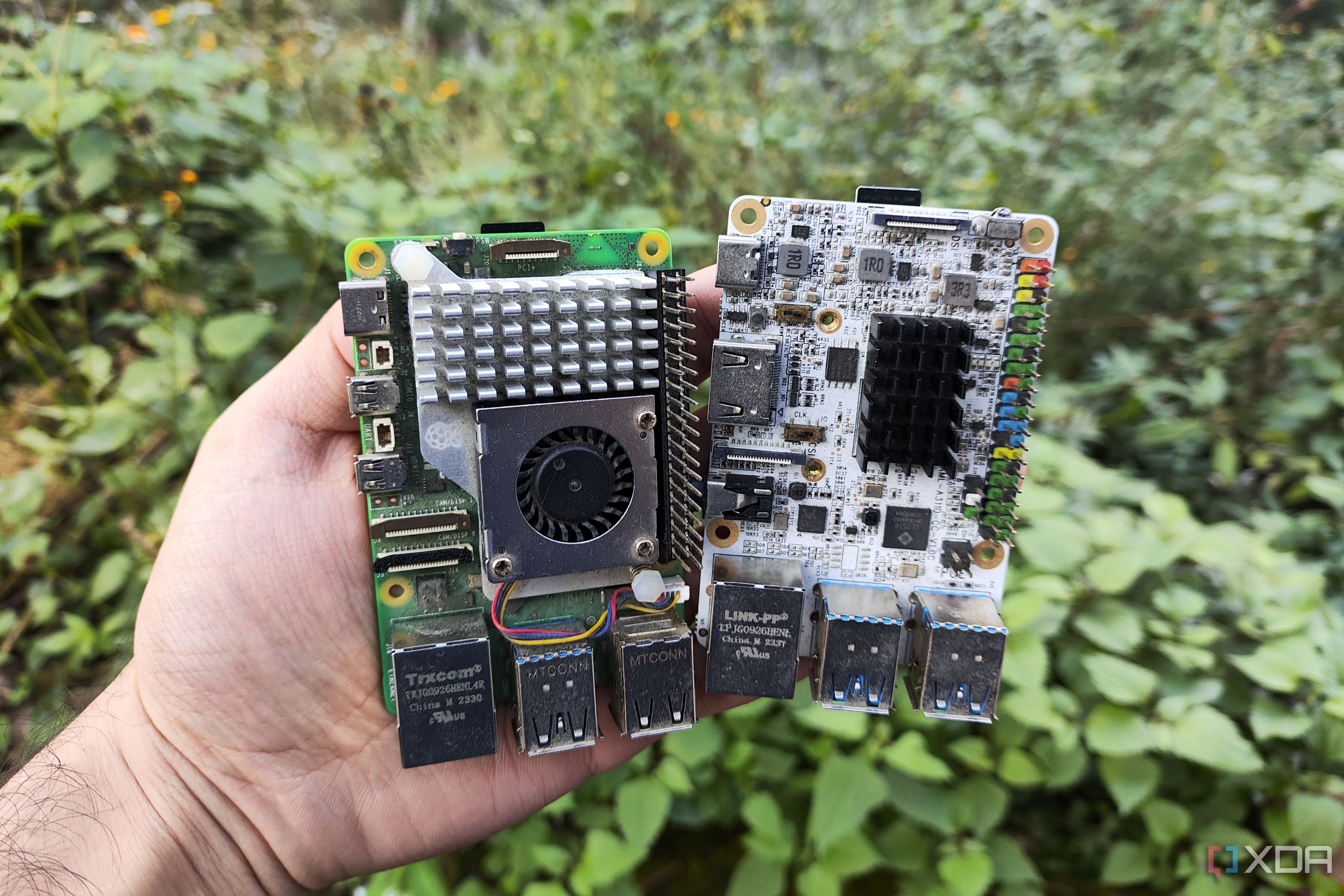
For a month, I tested a budget-friendly Raspberry Pi alternative, the Libre Computer Alta, and discovered that its hardware was merely a small portion of the issue. As a longtime Raspberry Pi fan, I've lately been exploring cost-effective alternatives, like the Radxa X4 and used mini-PCs, which offer better value for demanding projects and server experiments. However, in the ARM sector, most competitors face deal-breaking problems that hinder them from challenging the dominant Raspberry Pi family.
The Alta, despite its seemingly decent capabilities, couldn't replace my Raspberry Pi for various projects. The main hurdle lies in the limited operating system options, with most supported distros being outdated and lacking in-depth coverage. Armbian, a popular choice, does provide functional images, but the GUI version proved sluggish, causing performance issues with simple tasks.
Even switching to a CLI-only image improved the Alta's functionality, enabling me to run Docker, self-hosted utilities, and lightweight packages without significant performance concerns.
One advantage the Raspberry Pi holds over the Alta is its extensive HAT (Hardware Attached on Top) compatibility, which allows for easy interfacing of sensors, mechanical relays, PoE provisions, and servos. The Raspberry Pi 5 also boasts a PCIe port for connecting NVMe drives, NICs, and other components. However, the Alta's limited HAT selection makes it challenging to expand its capabilities.
While the Alta is still capable of handling basic projects, the GUI interface hampers its performance, making it unable to replace a mainline Raspberry Pi board. Although other ARM companies may produce more polished products, they still can't match the SBC family in terms of OS support, HATs, and project availability.
Written by urgent.news from XDA Developers's reporting — not their text. Machine-written — may contain errors; check the original before relying on it.