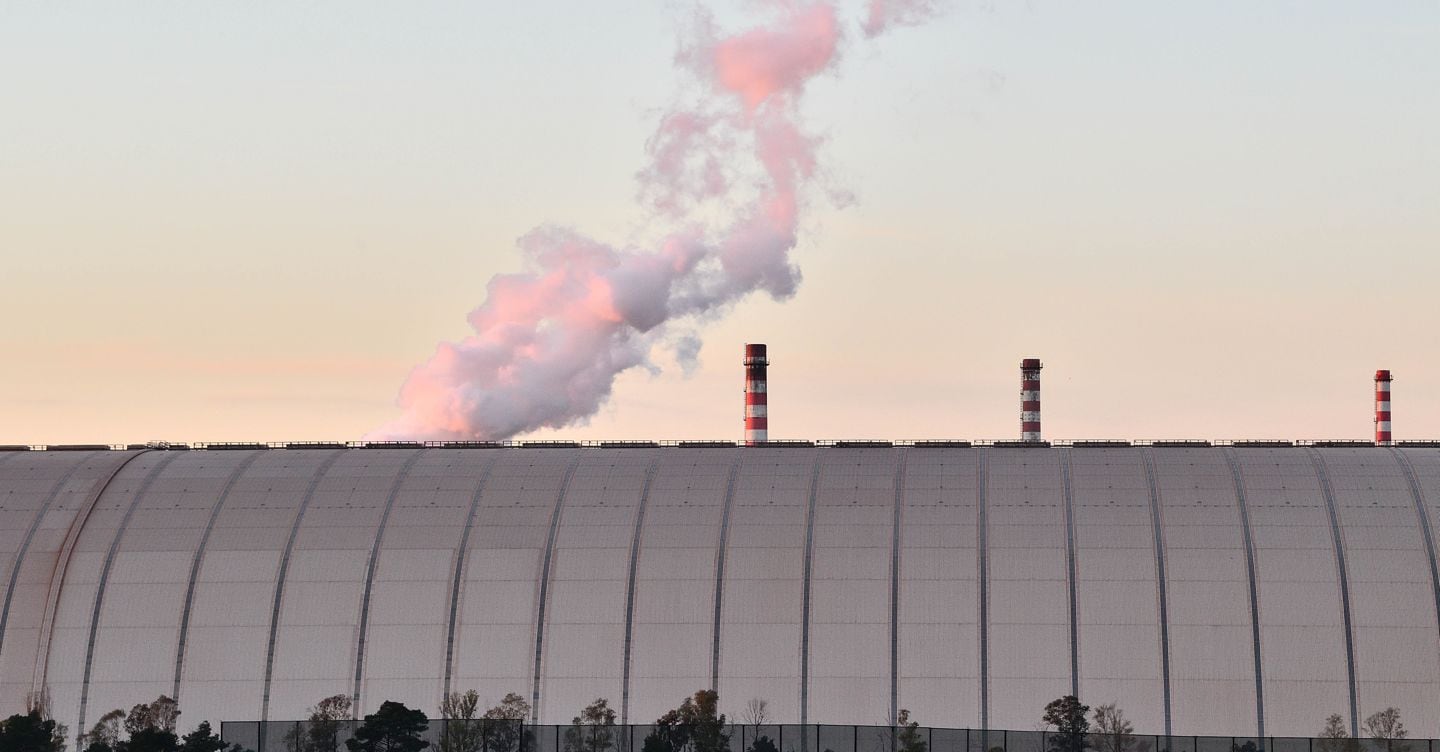
Threadbare: Rags and riches — how SA retail giants profit off sweatshops
Court documents and government raids have exposed the ‘deplorable’ reality of our textile factories: Southeast Asian sweatshops might have the world’s attention, but buying local can be equally exploitative.
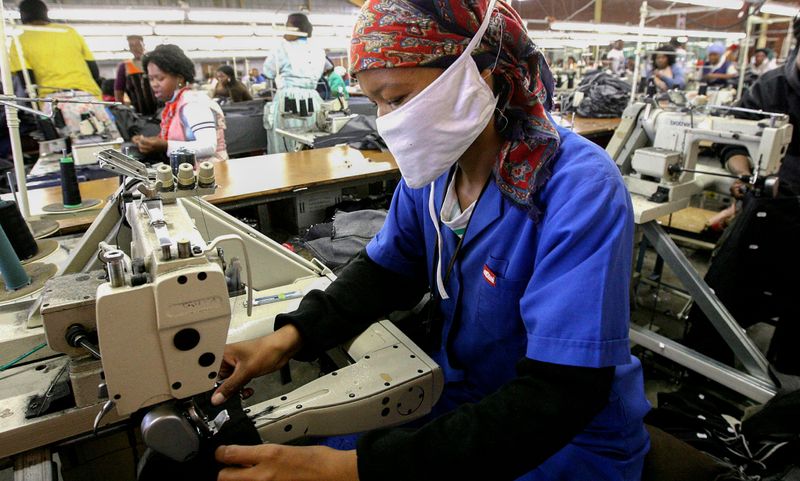
South African retail giants profit from exploitative labor conditions in Southeast Asian sweatshops and local textile factories. In 2001, a Newcastle clothing factory in South Africa gave birth to twins under inhumane conditions, resulting in the death of one infant. Despite this tragedy, the South African Clothing and Textiles Union (Sactwu) has not seen significant improvement in factory conditions over the past 25 years.
Vilina Membinkosi, the deputy general secretary of Sactwu, highlighted that the problem specifically affects former "homelands" designated under apartheid law, where trade unions have struggled to gain traction.
In 2022, a Department of Employment and Labour (DEL) inspection found that only 8% of 70 Newcastle textile factories met labor laws, resulting in the death of four workers in an electrical fire in 2023. Workers were paid less than the minimum wage, slept in overcrowded, poorly ventilated rooms, and had no access to soap or toilet paper. In 2026, the DEL conducted another raid, finding that the same appalling conditions remained in place, with workers' quarters described as a "fatal hazard waiting to happen."
Uncooperative cooperatives, often run by bogus entities, have become an increasingly common means of dodging regulations. These cooperatives, linked to middlemen like Drake Clothing and Gemelli, supply clothing to big retailers such as Pep and Mr Price. Workers at these factories are paid between R90 and R120 a day, with penalties for missing production targets.
The National Bargaining Council for the Clothing Manufacturing Industry (NBC) has filed an affidavit alleging horrendous conditions, comparing them to an overcrowded prison. The NBC has targeted "design houses" like Drake Clothing and Gemelli, seeking their liquidation to force compliance with labor laws. However, the defendants' lawyers argue that the companies are solvent and should not be shut down if they are willing to comply with the bargaining council's mandate.
Written by urgent.news from Daily Maverick's reporting — not their text. Machine-written — may contain errors; check the original before relying on it.