The pros and cons of buying refurbished laptops
A properly refurbished laptop will get you a lot for your money, but not all refurb jobs are done to the same standard.
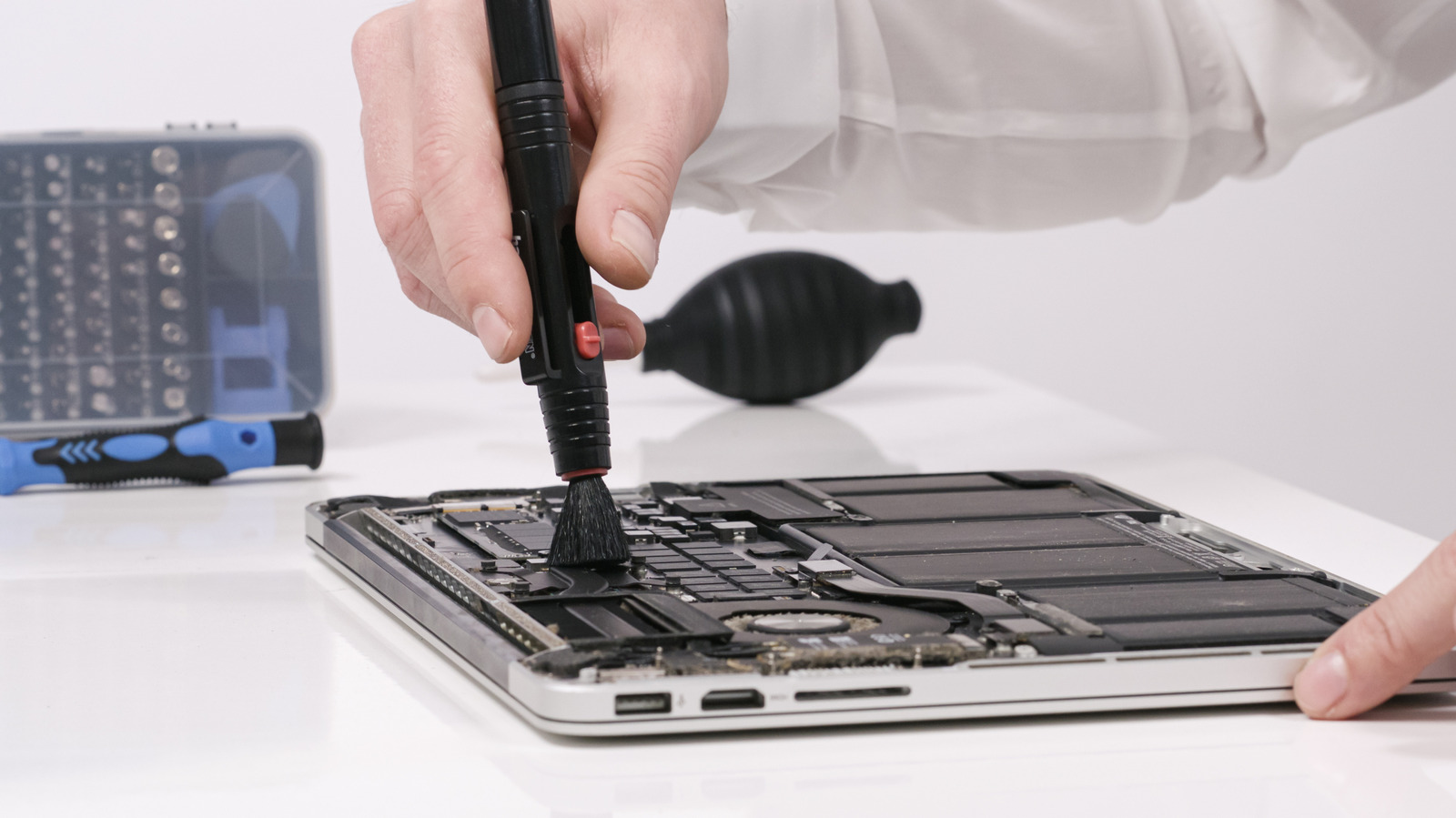
Refurbished laptops can provide a cost-effective alternative to purchasing a brand new device, offering similar or even superior specifications at a lower price. These laptops often retain most of their performance capabilities while being more affordable, making them an attractive option for budget-conscious consumers.
However, there are certain drawbacks to consider when buying refurbished laptops. For instance, some refurbished laptops may have used batteries that have been subject to wear and tear, potentially reducing their overall lifespan and performance. Additionally, older models might struggle to run newer software, leading to compatibility issues and diminished functionality.
Another aspect to consider is warranty coverage. Refurbished laptops may come with varying levels of warranty protection, ranging from minimal coverage to none at all. It's essential to carefully review the warranty terms and conditions provided by the seller to ensure adequate protection in case of any issues or defects.
Despite these potential drawbacks, the primary advantage of buying a refurbished laptop is the significant cost savings. By opting for a refurbished device, consumers can often obtain a laptop with higher specs than what they would typically find in the budget segment of new laptops. This can be especially beneficial for those seeking enhanced features such as more memory, a better display, or improved processing power without a substantial increase in cost.
To mitigate the risks associated with buying refurbished laptops, it is crucial to thoroughly research the seller and their refurbishment process. Opting for laptops sold by reputable manufacturers like Dell or Apple, which offer certified refurbished products, can provide greater peace of mind. These certified refurbs typically undergo rigorous testing, arrive in new boxes, and come with warranties, ensuring a higher level of quality assurance.
When evaluating a refurbished laptop, it's important to conduct a comprehensive inspection. Look for any visible signs of damage, such as scratches, dents, or worn-out components. Test the laptop's functionality, including the keyboard, trackpad, ports, and connectivity options. If possible, run benchmarking software to assess its performance and ensure it meets your expectations.
Battery health is another critical factor to consider, as it directly impacts the laptop's portability. Ideally, look for laptops with detailed information about their battery health or have undergone battery testing. If you plan to use the laptop primarily in a stationary setting, the battery's condition may be less of a concern, but it's still advisable to check if a replacement battery is feasible.
Ultimately, the decision to purchase a refurbished laptop should be based on a careful assessment of your budget, specific needs, and willingness to accept potential trade-offs. By thoroughly researching the seller, understanding the warranty terms, and conducting a thorough inspection, you can minimize risks and make an informed decision that balances cost savings with the desired performance and reliability of a refurbished laptop.
Written by urgent.news from Engadget's reporting — not their text. Machine-written — may contain errors; check the original before relying on it.