Negara tidak harus jadi mangsa ‘kolonialisme teknologi’, kata Fahmi
Menteri Komunikasi Fahmi Fadzil berkata setiap negara perlu mempunyai kebebasan untuk menentukan hala tuju teknologi sendiri.
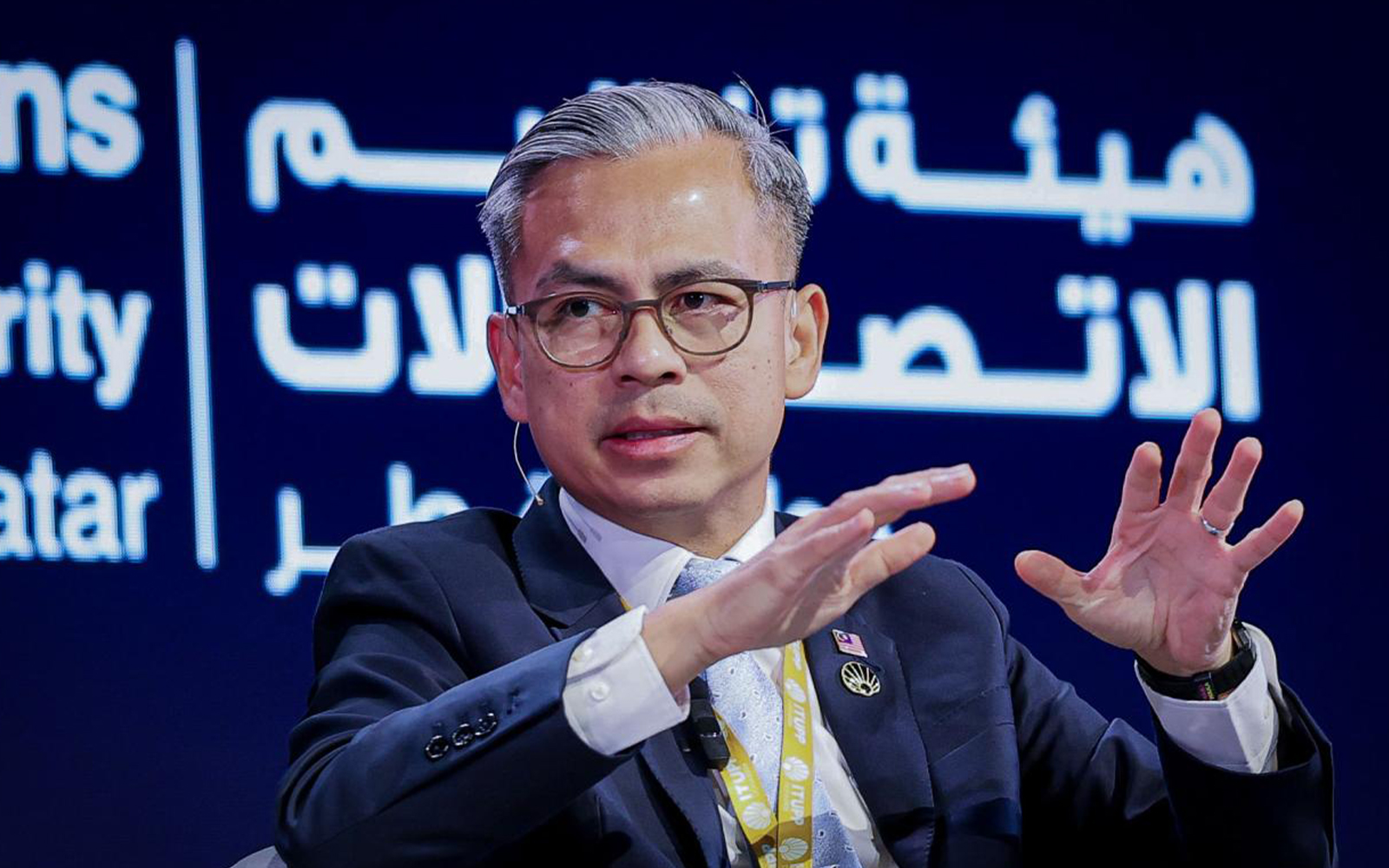
Malaysia has urged every nation to respect each other's sovereignty in determining telecommunication standards, warning against the threat of "technological colonialism" that allows more advanced countries to dictate how other nations develop and utilize digital infrastructure. Minister of Communications Fahmi Fadzil emphasized that each country should have the freedom to set its own technology objectives, especially as geopolitical competition and rival technology ecosystems increasingly influence global telecommunications development.
He stated that no country should be subject to colonialism of technology, wherein a more advanced nation dictates what other countries can or cannot do and must do. Every nation has its own sovereignty and should be entitled to determine its own standards, he said during a ministerial-level panel discussion at Mobile World Congress (MWC) Doha 2026.
Fahmi noted that Malaysia's experience in implementing 5G proved the importance of maintaining freedom in setting standards while managing complex geopolitical and diplomatic considerations. Initially, Malaysia accepted a single-rail model for 5G deployment despite GSMA Intelligence not endorsing this approach, before switching to a dual-rail model.
Malaysia's approach was unique because we implemented something not recommended by GSMA Intelligence – launching 5G using a single-rail model. However, we still did so and I am the minister responsible for overseeing its transition to a dual-rail model, he said. This transition represented a challenging endeavor requiring Malaysia to navigate diplomatic sensitivities while balancing domestic priorities with international technology standards.
The increasingly multipolar global landscape demands more dialogue and engagement among nations to find common ground, rather than widening divides, Fahmi added. In this era of multipolarity, we need more discussions, collaboration, and searching for shared points of agreement, rather than exacerbating differences, he emphasized.
The principle of mutual restraint allowing various telecommunications networks and technologies to coexist will be tested as each nation pursues its digital strategy. The Asean consensus-based approach holds a unique dynamic, given that the bloc lacks a central parliament and places great emphasis on respecting the sovereignty of each member country.
Therefore, building trust and achieving mutual restraint requires nations to look beyond their borders and strengthen international cooperation. Fahmi stressed the need to help countries build the digital divide, particularly as the telecommunications sector prepares to face the transition to quantum technology and quantum-safe communication.
Greater focus should be given to leveraging existing 5G infrastructure before the industry fully shifts to 6G technology, he said. Before discussing 6G, we must determine how widely 5G or 5G-Advanced is being utilized, which remains a significant challenge actively addressed in Malaysia. Despite facing various challenges, Fahmi believes that international cooperation can spark innovative solutions, especially from countries traditionally not considered world technology leaders.
There are challenges, but many opportunities exist to find solutions together, and sometimes these solutions may come from unexpected sources, he concluded.
Written by urgent.news from Free Malaysia Today's reporting — not their text. Machine-written — may contain errors; check the original before relying on it.
Also reported by 1 other outlet
- Negara tidak harus jadi mangsa ‘kolonialisme teknologi’, kata Fahmi freemalaysiatoday.com