Nations mustn’t fall victim to ‘technology colonialism’, says Fahmi
Communications minister says countries must retain the freedom to determine their own technological direction amid growing geopolitical rivalries.
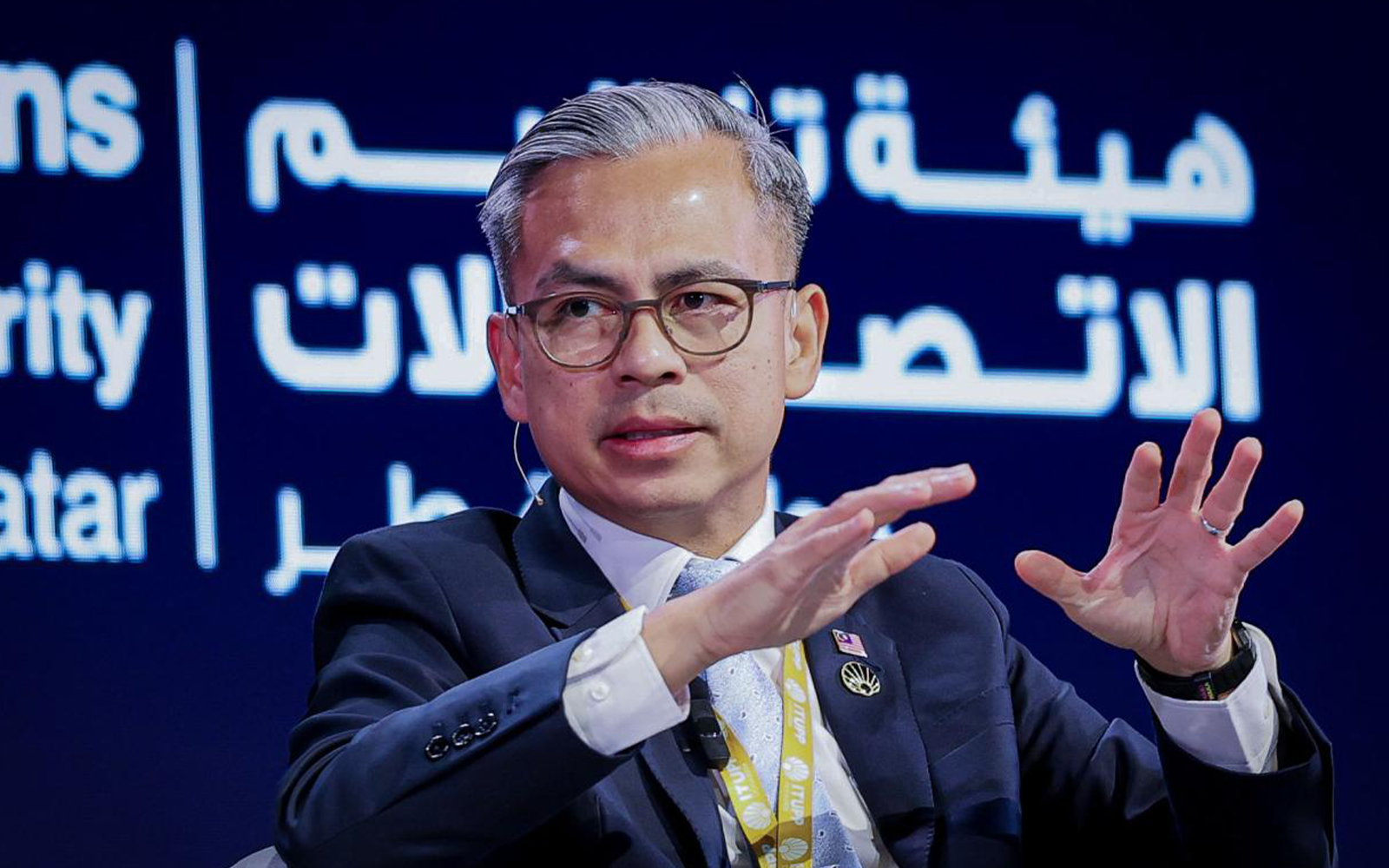
Malaysia has cautioned against "technology colonialism," a scenario where technologically advanced countries dictate the development and deployment of digital infrastructure to others. Communications Minister Fahmi Fadzil made this warning at a panel discussion during the Mobile World Congress Doha 2026. Fahmi emphasized that every nation must have the freedom to determine its own technological trajectory.
He stated, "There shouldn't be technology colonialism where if you are the first, then you dictate to others what they should or shouldn’t do (or) what they can or cannot do." Each country is a sovereign entity and should be able to dictate its own domestic policies, according to Fahmi. This viewpoint was illustrated by Malaysia's experience in deploying its 5G network.
Initially, Malaysia followed the recommendation of GSMA Intelligence and went with a single wholesale network model. However, after some time, Malaysia transitioned to a dual-network model. Fahmi explained, "Malaysia is unique because we did what GSMA Intelligence said not to do – roll out 5G using a single wholesale network. But we did it anyway, and I was the minister in charge of transitioning it into a dual-network model."
This transition was challenging, requiring Malaysia to balance diplomatic sensitivities with domestic priorities and international technological standards. Fahmi also noted that discussions around digital sovereignty should go beyond technological self-reliance to include the broader principle of national sovereignty. As the world becomes more multipolar, Fahmi stressed the need for greater dialogue and engagement among countries to find common ground and avoid deepening divisions.
He mentioned that interoperability, the ability for different telecommunications networks and technologies to work together, will be tested as countries pursue their digital strategies. Fahmi pointed out that Asean’s consensus-based approach might pose challenges due to the absence of a central Parliament and the bloc's emphasis on respecting member states' sovereignty.
To build trust and achieve interoperability, Fahmi argued that countries need to look beyond their borders and enhance international cooperation. He also highlighted the importance of helping emerging nations bridge the digital divide. Fahmi advocates for placing greater emphasis on maximizing the use of existing networks before the industry shifts its focus entirely to sixth-generation (6G) technology.
Despite the challenges, Fahmi believes international collaboration can foster innovation, particularly in countries not traditionally seen as global technology leaders. "There are many challenges, but there are also many opportunities for us to discover solutions together. Sometimes, you might find those solutions in the unlikeliest of countries," Fahmi concluded.
Written by urgent.news from Free Malaysia Today's reporting — not their text. Machine-written — may contain errors; check the original before relying on it.
This story
This is one outlet's version. Read the fullest account.