Malaysia to leverage AI and satellite networks for disaster preparedness
DOHA, Nov 8 — Malaysia sees significant opportunities to leverage satellite connectivity and artificial intelligen...
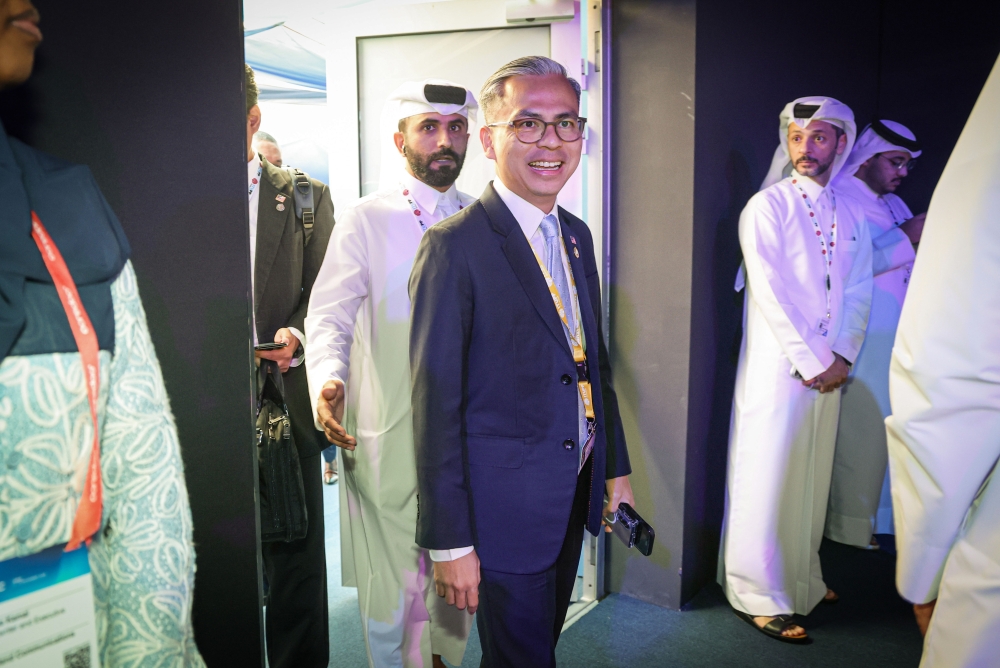
Doha, Nov 8 — Malaysia sees considerable potential in harnessing satellite connectivity and artificial intelligence (AI) to bolster disaster preparedness and maintain resilient communications, stated Communications Minister Datuk Fahmi Fadzil during a panel discussion at the Digital Leadership Forum Ministerial in Doha. Fahmi highlighted that emerging technologies could complement traditional telecommunications infrastructure, especially in remote and disaster-affected regions where alternative connectivity solutions may be necessary.
He further emphasized Malaysia's intention to integrate terrestrial and non-terrestrial networks to enhance communication resilience during emergencies. "Looking ahead, Malaysia sees opportunities to further leverage emerging technologies, including artificial intelligence, satellite connectivity and integrated terrestrial and non-terrestrial networks, to strengthen disaster preparedness and communications resilience," Fahmi said.
He stressed that Malaysia is focusing more on fortifying emergency telecommunications capabilities to ensure that essential communications remain operational even when conventional networks are compromised. Fahmi explained that reliable connectivity is critical during disasters as it enables emergency response teams to coordinate rescue efforts and provides affected communities with crucial information.
He underscored that connectivity during a disaster is not merely a convenience; it can be the difference between receiving timely assistance and being left isolated. To tackle these issues, Fahmi mentioned that the Malaysian Communications and Multimedia Commission (MCMC) developed the MCMC PRIME, a mobile radio and internet communications system intended to provide connectivity when regular telecommunications networks are disrupted.
He noted that the system serves as an alternative communication method during emergencies and aids coordination among response teams while ensuring access to vital information. Fahmi emphasized that the initiative is particularly pertinent during severe flooding when damaged telecommunications infrastructure or disrupted electricity supply can impact conventional mobile networks.
Malaysia's strategy also underscores the importance of coordination between MCMC, telecommunications operators, the National Disaster Management Agency (NADMA), and other relevant authorities. This cooperation is vital to support disaster preparedness, identify affected network infrastructure, coordinate restoration efforts, and facilitate communications for emergency responders and affected communities.
Fahmi stressed that network resilience is not merely about preventing infrastructure failure; it's about ensuring that essential communications can continue or be swiftly restored when lives and public safety are at risk.
Written by urgent.news from Malay Mail's reporting — not their text. Machine-written — may contain errors; check the original before relying on it.
This story
This is one outlet's version. Read the fullest account.