Logistik in Golfländern: Golfstaaten treiben gemeinsames Schienennetz voran
Überlegungen zu einem Eisenbahnnetz, das die Golfländer verbindet, gibt es schon seit den 1980er Jahren. Durch den Iran-Krieg und Gefahren in der Straße von Hormus gibt es nun neue Bewegung.
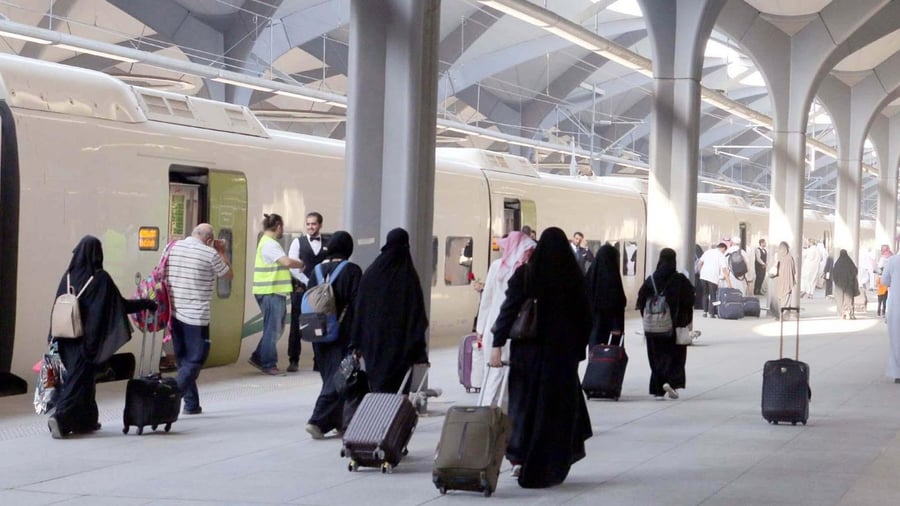
The Gulf states are advancing a joint railway network along the coast leading to the Persian Gulf. Bahrain's Crown Prince Salman bin Hamad received representatives from the states who signed an agreement for the project in Manama, according to the BNO state agency. Bahrain's Transport Minister described the plans as "an investment in the future of the Gulf region and future generations" to local media.
The network is set to be completed by 2030, with rail connections from Kuwait in the north, through Saudi Arabia, Bahrain, Qatar, the United Arab Emirates, and Oman, which lies southeast on the Arabian Peninsula. Over 2,100 kilometers are planned for passenger and cargo transport by train. The project has cost around 250 billion US dollars in recent years, with Saudi Arabia and the Emirates investing heavily in their own railway networks.
Talks about a unified network date back to the 1980s, but discussions on expanding the project began in 2009 and were signed by the six Gulf states. However, implementation progressed at different speeds. The drop in oil prices in the 2010s forced the Gulf monarchies, heavily reliant on oil exports, to reconsider large infrastructure projects.
In 2017, a crisis arose when several countries, led by Saudi Arabia, imposed a blockade on the small state of Qatar. The goal of launching the unified network in 2018 was not met. With the start of the Iran war in February of this year and the de facto blockade of the Hormuz Strait, the project has gained new urgency. The countries export oil and liquefied natural gas via sea routes, importing goods and supplies, including food.
Despite high economic losses due to the war, there are still doubts about whether the countries can raise the necessary funds for the construction.
Written by urgent.news from Handelsblatt's reporting — not their text. Machine-written — may contain errors; check the original before relying on it.