Israel’s President Herzog gives Gadi Eisenkot the first chance to form the next government
Israeli President Isaac Herzog formally gave opposition politician Gadi Eisenkot the first chance to form the next government on Sunday evening. Complex coalition negotiations still lie ahead, but it marked a significant step in the former military chief’s effort to oust Israel’s longest-serving prime minister, Benjamin Netanyahu, after elections held in a deeply divided country. Israel remains…
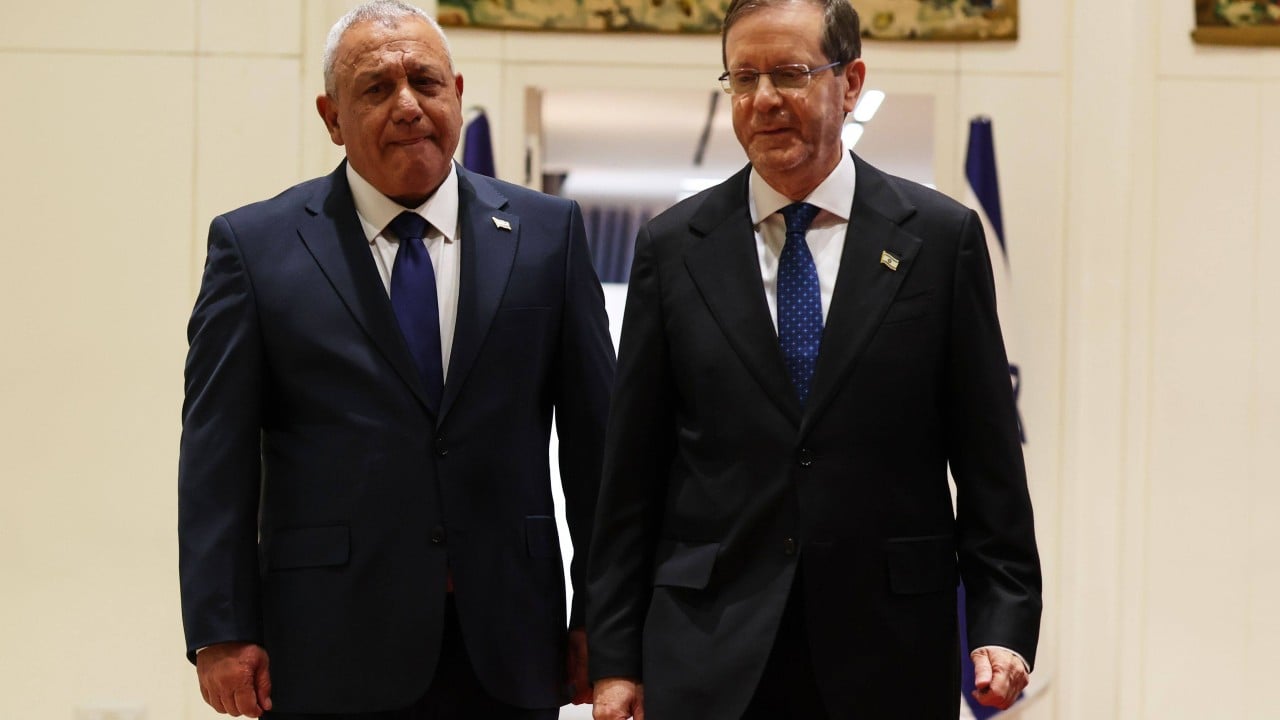
Israeli President Isaac Herzog officially appointed opposition politician Gadi Eisenkot as the first opportunity to form Israel's next government on Sunday evening. This marked a critical step in Eisenkot's mission to unseat Israeli Prime Minister Benjamin Netanyahu, who has been in power for an extended period. The announcement came after Israel's deeply divided electorate participated in elections last October 7, 2023, leaving the nation scarred by the Hamas-led attacks and subsequent wars.
Herzog expressed his sincere hope that the government formed would promote unity, connection, and healing among all segments of the population, emphasizing that the nation's survival depends on it. However, Eisenkot's path to becoming the next prime minister is far from guaranteed. He has up to six weeks to build a coalition by securing alliances, which is a daunting task given that the October 27 elections did not yield a clear majority for either Eisenkot's bloc or Netanyahu's.
During the ceremony, Eisenkot pledged to lead the country with trust, acting in the public interest and representing all parts of society. He affirmed that the majority of members of parliament, known as the Knesset, backed his mission. Among the potential allies, there are Arab-led parties whose gains in the election were historic, thanks to high voter turnout among Israel's Arab citizens. However, even their support is uncertain, as they have not joined a governing coalition since 2021.
Another significant challenge lies in the potential agreements with the ultra-Orthodox parties, who demand military exemptions for their community—a contentious issue in light of the three-year war. These disagreements highlight the complex political landscape Eisenkot must navigate to become Israel's next prime minister.
Written by urgent.news from South China Morning Post's reporting — not their text. Machine-written — may contain errors; check the original before relying on it.
Also reported by 4 other outlets
- Eisenkot calls for Israeli national emergency government rte.ie
- Israeli opposition leader Eisenkot begins the hard work of forging a coalition government france24.com
- Australia news LIVE: Government abandons Victoria Barracks sell-off; Trust in Albanese plummets, new polling shows; Eisenkot to take ‘unconventional’ steps to form government in Israel theage.com.au
- Australia news LIVE: Government abandons Victoria Barracks sell-off; Trust in Albanese plummets, new polling shows; Eisenkot to take ‘unconventional’ steps to form government in Israel smh.com.au