Hong Kong must show real remorse for the Tai Po fire tragedy
When Chief Executive John Lee Ka-chiu and seven principal officials bowed deeply before the cameras on October 29, Hong Kong witnessed something rare: a collective government apology. It came 11 months after the Wang Fuk Court fire claimed 168 lives and uprooted 1,984 households. A minister has resigned. Many reforms have been promised. Yet public reaction remains divided. That division reveals…
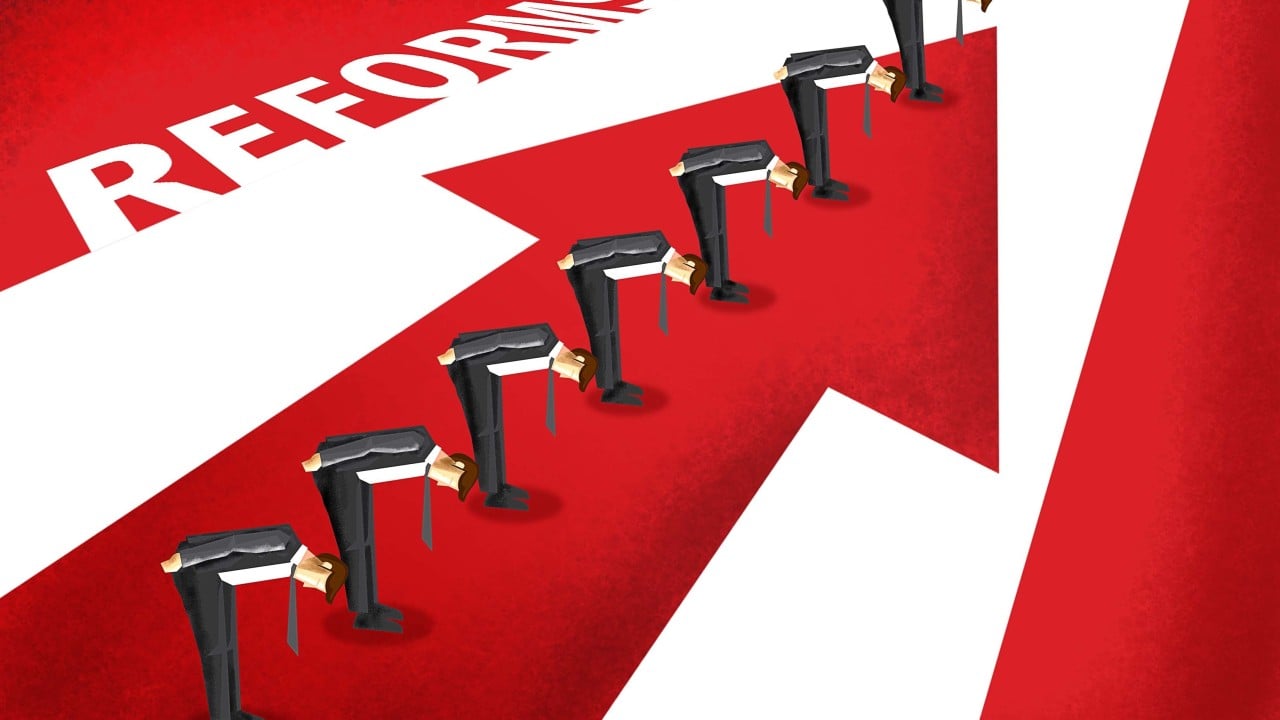
Hong Kong's chief executive, John Lee Ka-chiu, joined seven principal officials in a deep bow during a televised apology on October 29, marking the first such collective government apology in the city. The apology came 11 months after the devastating Wang Fuk Court fire, which claimed 168 lives and displaced 1,984 households. While a minister resigned and numerous reforms have been promised, public reaction remains divided.
A political apology should acknowledge failure, accept responsibility, and express remorse, while also committing to preventing future occurrences. The purpose of such an apology is to bring closure. However, the government cannot yet declare closure as it must first seek understanding and comfort from those who lost loved ones or homes, followed by the wider public.
The delay in the apology has been criticized, with many questioning why it came after 11 months. The government opted to wait for the findings of an independent inquiry committee's report, which provided a solid basis for acknowledging specific departmental failures. An early apology could have provided comfort and demonstrated that the system had failed residents, but a delayed one can be tied to established findings.
The government acknowledged that four departments - the Buildings Department, Independent Checking Unit, Fire Services Department, and Labour Department - failed in their supervisory duties. This acknowledgement is crucial, and the numerous reforms in the pipeline, such as regulating scaffolding materials, overhauling fire safety installation rules, and criminalising bid-rigging, will give it substance.
However, the apology is just the beginning of the reckoning; reform must sustain it, long after the cameras have moved on.
The debate surrounding resignations reflects differing views on political responsibility. In Hong Kong, there is a belief that ministers should resign following departmental failures, regardless of personal culpability. In contrast, there is a perspective that public expectations in Hong Kong are shaped by a different understanding of accountability.
Resignations should be linked to personal fault rather than simply due to heading a policy bureau. Lee stated that Secretary for Housing Winnie Ho Wing-yin bears political responsibility, but not personal fault. Other officials agreed to remain in their positions to deliver the reforms. This arrangement invites scrutiny, as critics see one official bearing the burden of a wider failure, while supporters view it as a division of responsibility. Both perspectives deserve consideration.
Written by urgent.news from South China Morning Post's reporting — not their text. Machine-written — may contain errors; check the original before relying on it.
This story
This is one outlet's version. Read the fullest account.