Großes Parlament: Neuseeland steht nach Wahl vor wochenlangem Machtspiel
Nur ein Sitz trennt das Lager von Ministerpräsident Luxon von der Mehrheit. Doch kleinere Parteien und noch nicht ausgezählte Stimmen könnten die Regierungsbildung auf den Kopf stellen.
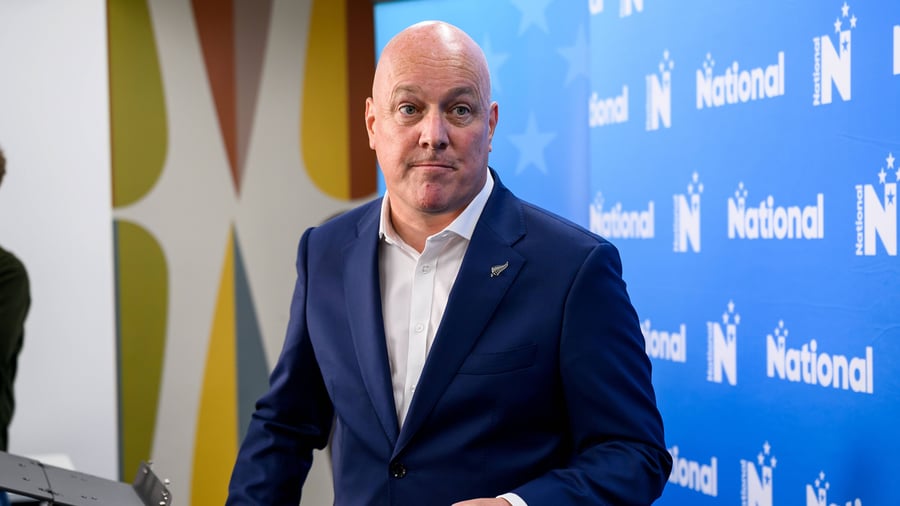
Neuseeland's upcoming parliament will be unusually large, with 131 seats instead of the usual 120, following the recent election. This is the biggest parliament since the introduction of the proportional voting system in 1996. The outcome of who will govern remains uncertain, as nearly 400,000 special votes are still being counted and could shift the power dynamics significantly.
The conservative National Party, led by Prime Minister Christopher Luxon, and the social democratic Labour Party, headed by challenger Chris Hipkins, are neck and neck, each holding about 29% of the vote. Special votes, accounting for 14% of the total, might further alter the balance of power. These include votes from New Zealanders living abroad and those who voted outside their constituency.
Historically, they have often favored left-leaning parties. The expanded parliament is a result of so-called overhang mandates. In this Pacific nation, citizens vote for a party and a candidate in their electoral district. If a party wins more seats than their nationwide vote share would warrant, they retain the additional seats, increasing the parliament to 131 seats in this case.
The smaller parties, particularly the rising Opportunity Party led by Qiulae Wong, could play a crucial role in government formation. Wong, who secured nearly six percent and seven seats, has been in talks with both political factions. However, it remains to be seen if this cooperation will be necessary. Currently, the National Party holds 42 mandates, Labour 36, and together with their previous coalition partners ACT and New Zealand First, Prime Minister Luxon has 67 seats - just one more than needed for a majority.
Luxon remains optimistic, stating, "Based on current standings, we don't need the Opportunity Party to form a government." Labour's path to a victory could be more challenging, according to the "New Zealand Herald": "A left-wing victory in this election is not impossible, but it looks very difficult." Nonetheless, a few altered direct mandates due to special votes could still endanger Luxon's slim majority and influence the size of the parliament.
Thus, the incumbent government will remain in office pending the official results at the end of November. Government business will only resume once the coalition negotiations have taken place. Meanwhile, the population suffers from high living costs, inflation, and rising unemployment, raising questions about voter turnout. Official calculations show 74.6% of registered voters cast their ballots, down from 78.2% in 2023.
The two dominant parties, National and Labour, now only command around 58.6% of the votes, a historic low. More importantly, they collectively garner just 58.6% of the votes, marking a historic low.
Written by urgent.news from Handelsblatt's reporting — not their text. Machine-written — may contain errors; check the original before relying on it.
This story
This is one outlet's version. Read the fullest account.